Citrus Curiosity, Morocco Unpeeled
Awaken your senses.
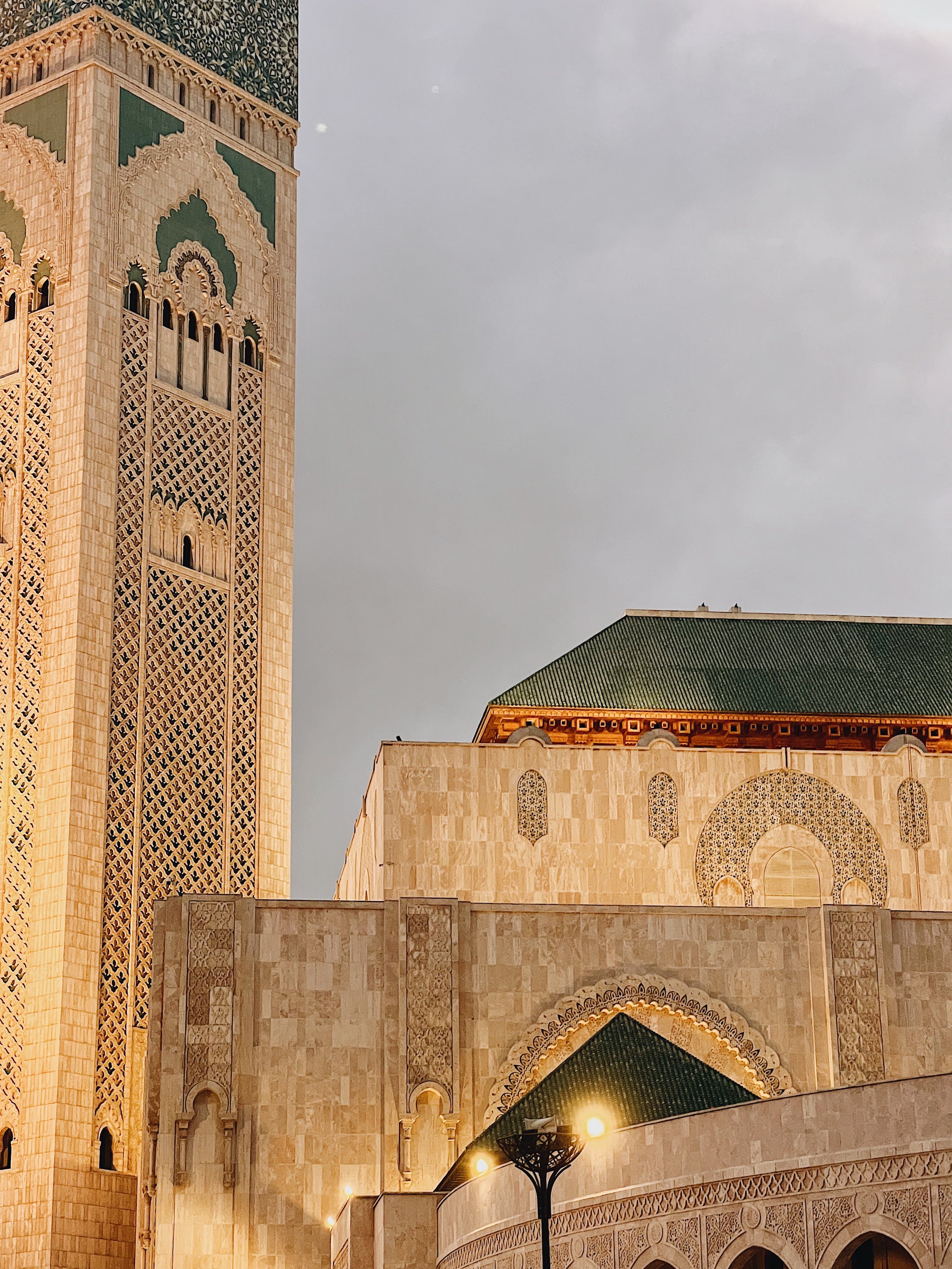
The Hassan II Mosque / Casablanca
I’ve been to Morocco twice. Once as a guest, traveling alongside a friend’s family. The second time alone, during a nomadic season, slipping in for a long weekend from Portugal in the middle of Ramadan.
Morocco is not for the faint of heart. Many travelers arrive expecting whimsy and leave surprised by its intensity. The color, the pattern, the romance on the surface often disguise something sharper underneath. It’s a place that asks for presence, discernment, and resilience.
Travel blogs tend to flatten Morocco into something bohemian and poetic, a real-life excerpt from The Alchemist. And in moments, it is exactly that. But beneath the romance is an edge. A friction. A reality that demands you stay alert, grounded, and self-possessed. Morocco doesn’t perform for you. It meets you where you are, and then pushes back.
X Marks the Spot
It all starts in Casablanca.
This is the engine room of Morocco. A port city shaped by trade, geopolitics, and movement, where most travelers first touch down and begin to orient themselves. Casablanca doesn’t ease you in.
My first time there was during Ramadan in 2022. I arrived having done very little research, stepping off the plane into a city that felt suspended. Shops were shuttered. The streets were unusually still. The only constants were the crisp sea air and the call to prayer moving through the city. For a place known for its pace and density, the quiet was disarming. I was uneasy, hesitant even, to leave my hotel.
Looking back, that discomfort was part of my early education in traveling alone through the Middle East. I didn’t yet trust my instincts, so I borrowed someone else’s. Airbnb Experiences became my entry point. A controlled way to step into the city without fully stepping out on my own.
One of those experiences changed how I travel entirely.
We walked through neighborhoods most visitors never see. Not the colorful, theatrical markets of Marrakesh, but the real ones. Narrow, damp corridors tucked into a cul-de-sac of Casablanca. Chickens hanging from hooks. Flies hovering over piles of vegetables, spices, and olives stacked without ceremony. It was chaotic, unfiltered, alive.
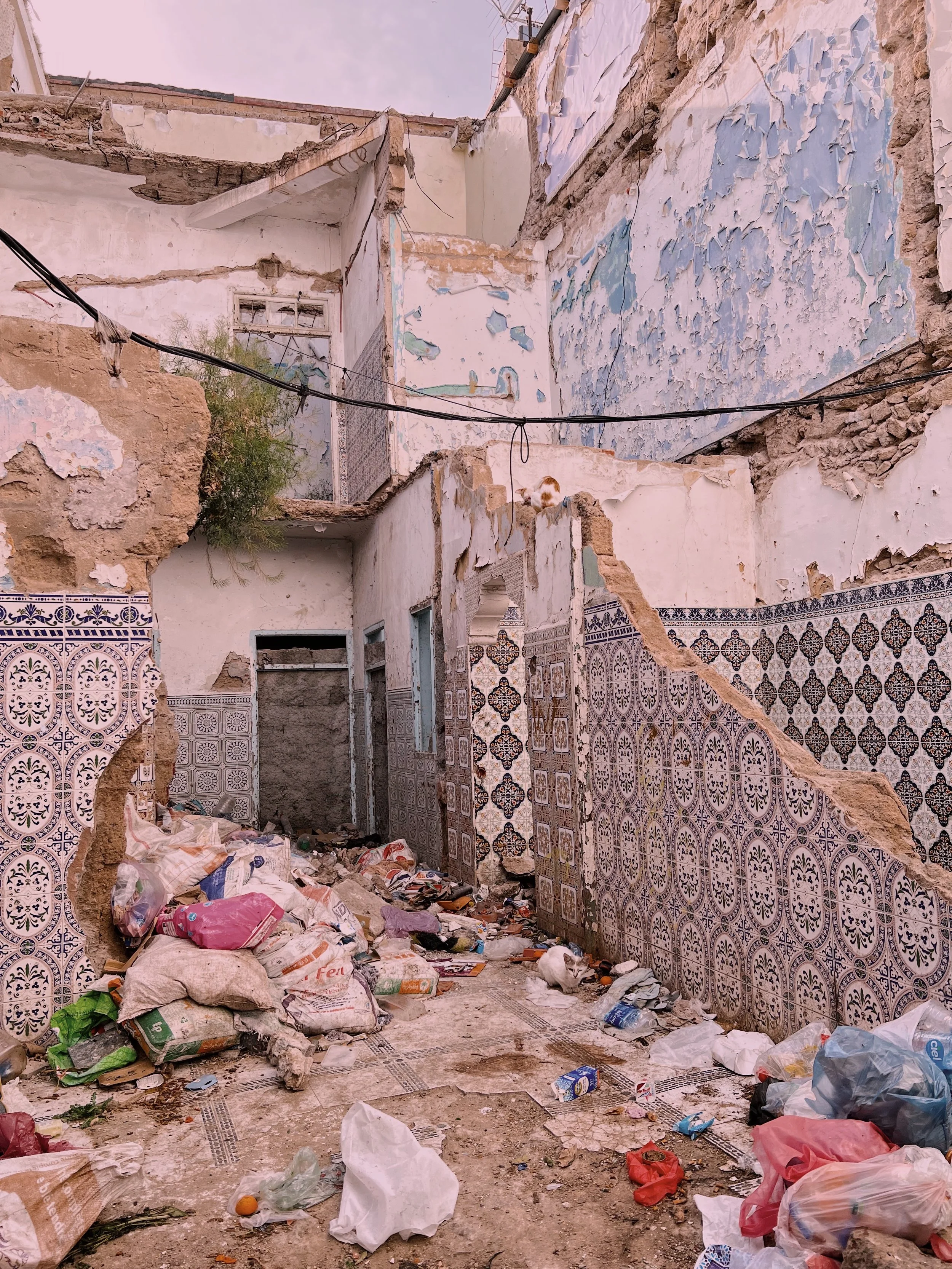
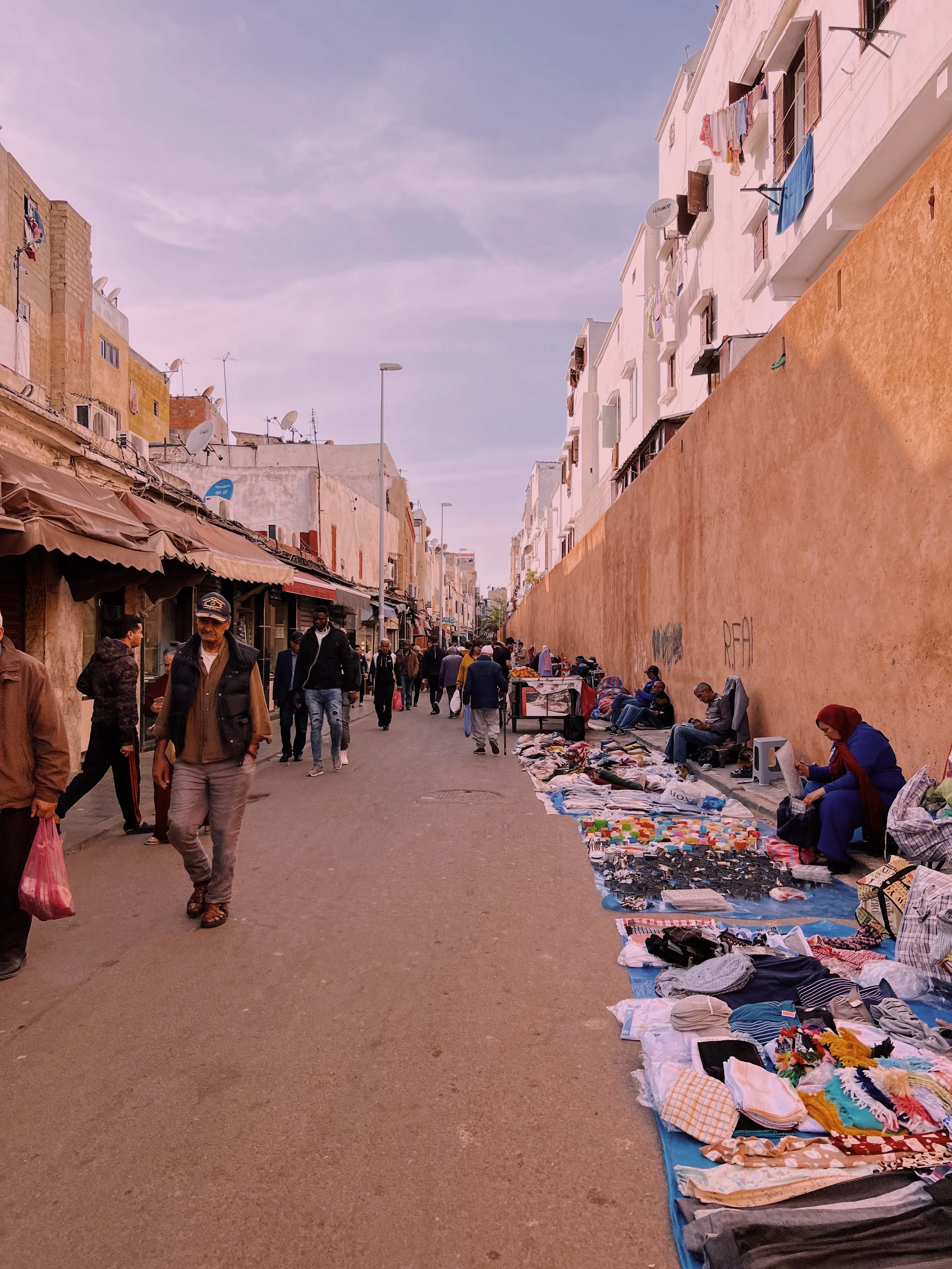
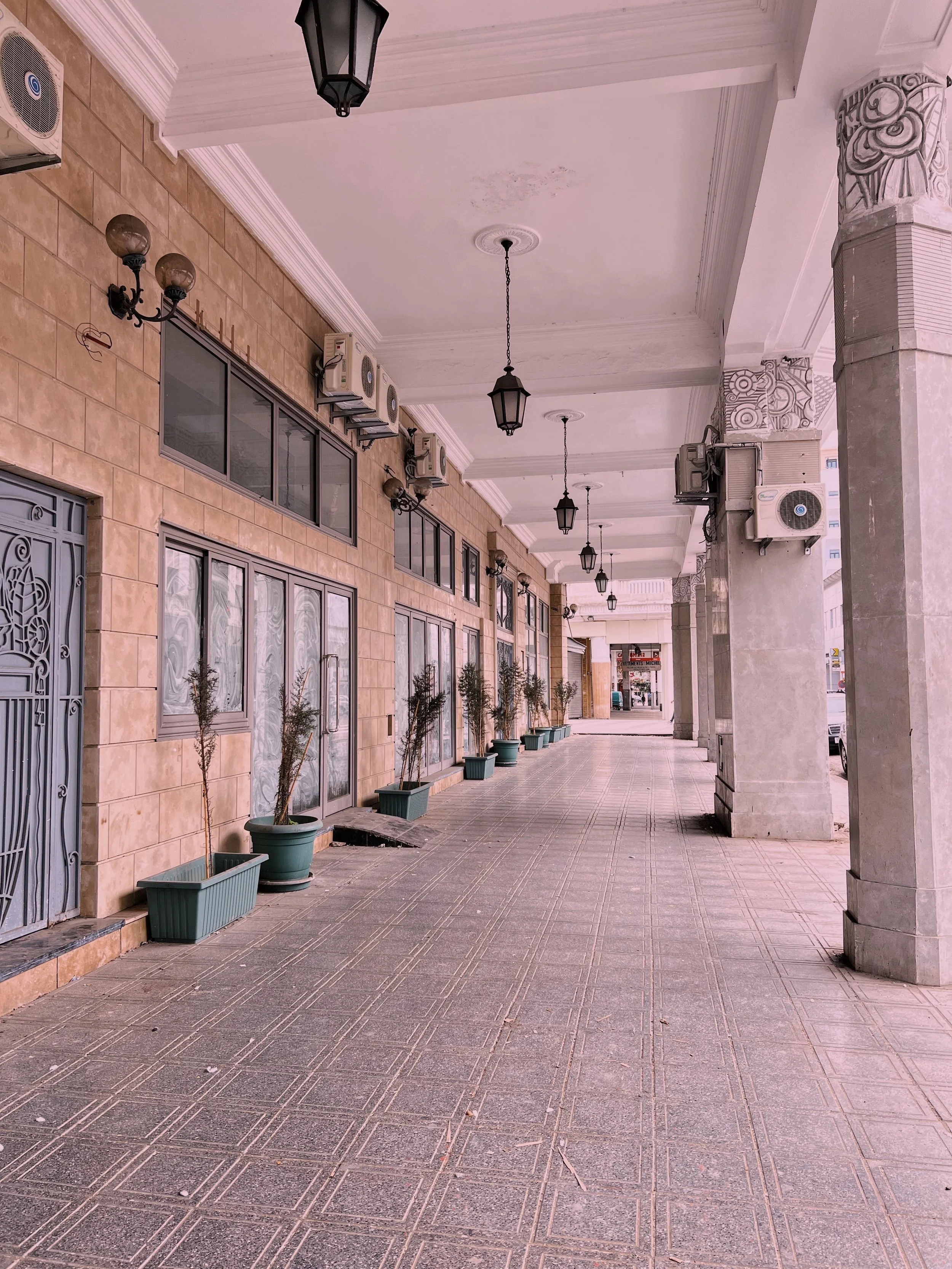
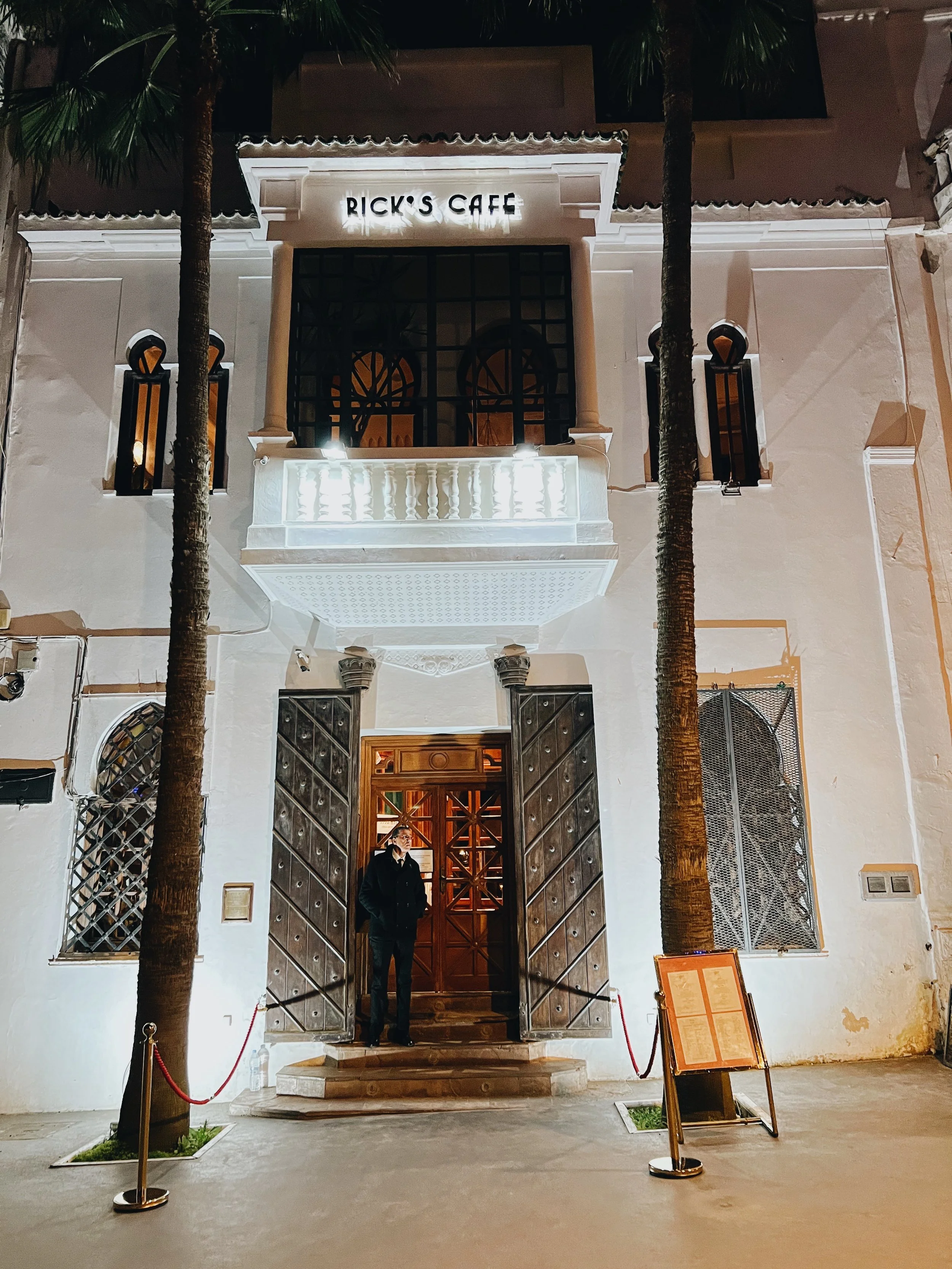
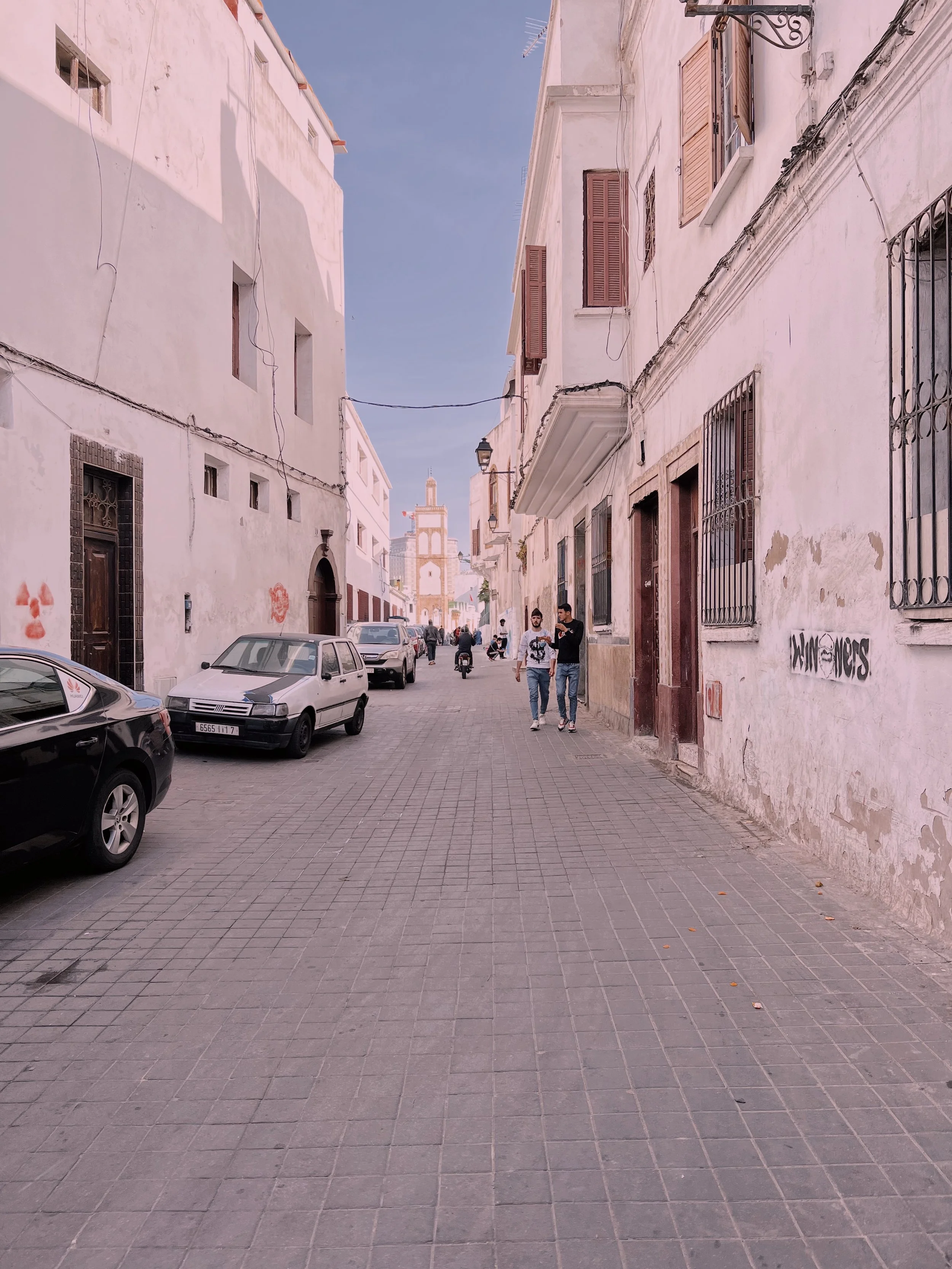
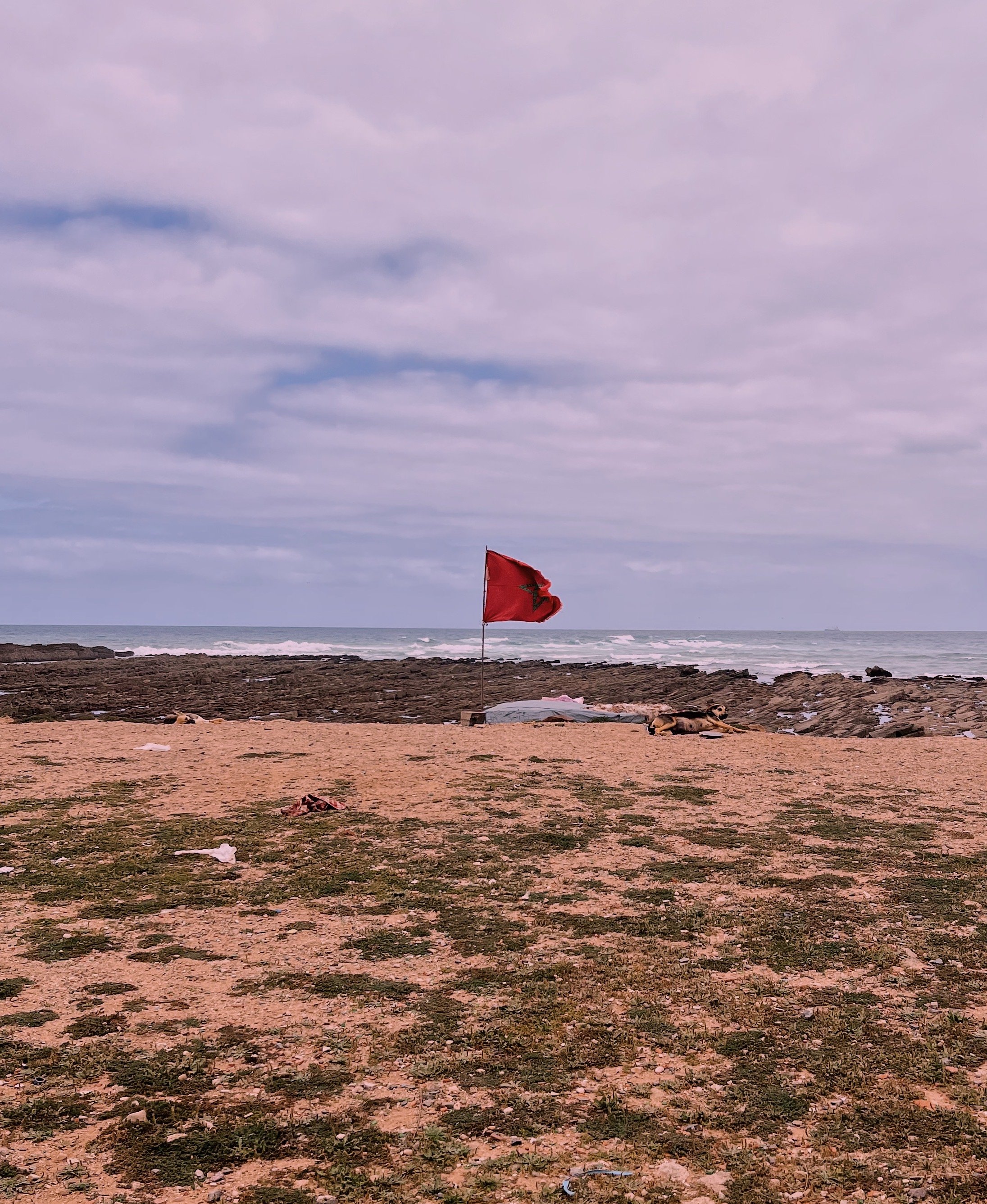
I remember thinking, almost confused: So this is Casablanca.
Out of the hundreds of markets I’ve wandered since, that one still stays with me. Not because it was beautiful, but because it was honest. It stripped away the temptation to romanticize. This was daily life, unstyled and human, pressing back against the observer.
As the days passed, the rhythm of Ramadan revealed itself fully. Long hours of fasting followed by nights that felt communal and electric. Families gathering. Tables overflowing. Music, conversation, movement. A fellow traveler and I would sit shoulder to shoulder with families, sharing meals that felt less like dining and more like participation.
For that week, I felt less like a tourist and more like a witness. As if I had been dropped into the true frequency of the city, beyond highlight reels and surface impressions. It wasn’t polished. It wasn’t curated. But it was real.
Technicolor Sensory Overload
For this part of the journey, pour a glass of mint tea and press play on Achinkad by Imarhan. Let it carry you as you board the train from Casablanca to Marrakesh. Somewhere between the rhythm of the tracks, the music in your ears, and the desert rolling past the window, the quiet magic of trains reveals itself. They give you permission to sit still while everything around you changes.
Outside the window, Morocco stretched open. Burnt-orange desert mounds rolling past like brushstrokes. Wide, patient land. It felt cinematic.
Across from me sat a couple from the States. Embassy workers. They had relocated to Casablanca and were now raising their child there. They were effortlessly cool. Just calm, cultured, collected. The kind of swagger you usually only see in spy movies. We talked about expat communities, daily rhythms, the normalcy of a life that, to me, felt wildly brave.
They had no idea that this small, passing conversation rewired something in me. Decisions that most people debate for decades, they spoke about casually. As if choosing a life that expansive didn’t require overthinking. As if curiosity was reason enough.
Then the train slowed.
Stepping off in Marrakesh, the sun hit differently. The station itself felt regal and old-world, a place that carried stories in its walls. This is where the poetry begins.
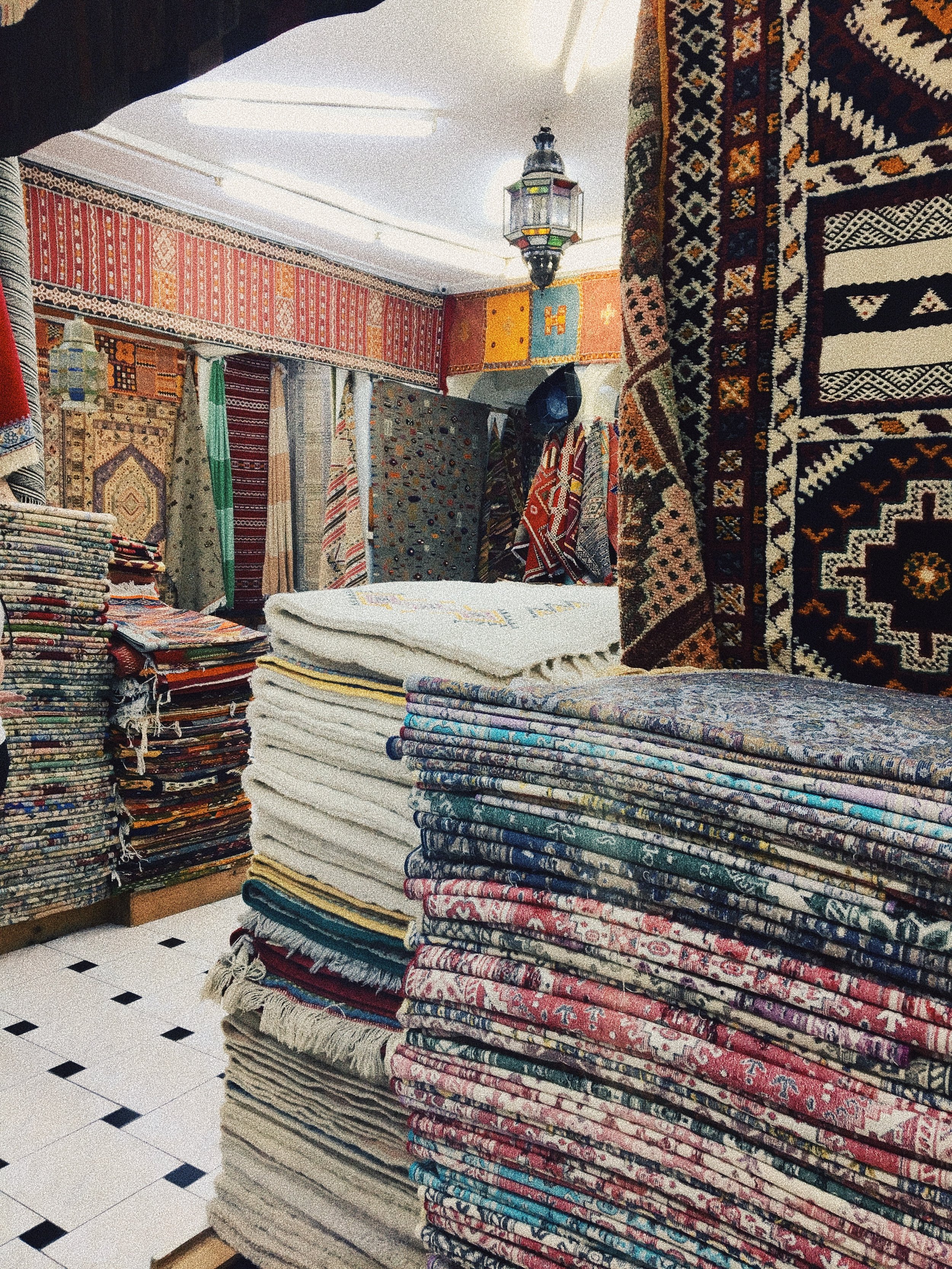
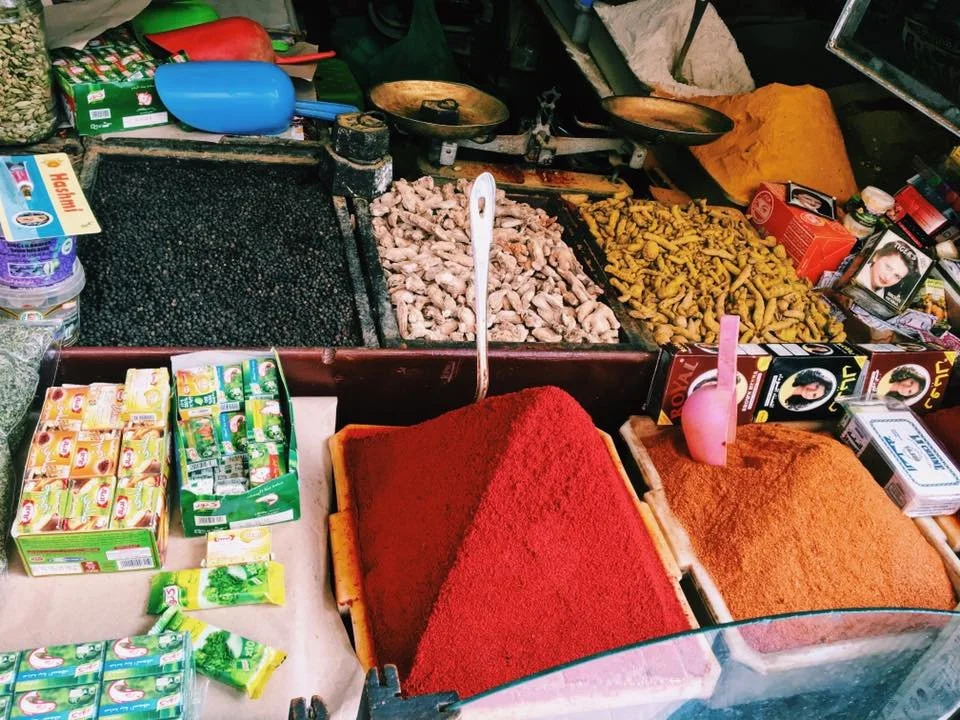
Outside, the city unfolded all at once. Spices wafting in the air. The constant hum of the souk. Color everywhere. Reds, blues, golds colliding. Marrakesh doesn’t greet you, it interrupts you. It pulls you out of your head and drops you back into your senses, demanding attention in every direction at once.
Days later, while wandering without much of a plan, I stumbled upon a small nonprofit bike shop called Pikala. It existed quietly, almost humbly, in the chaos of the city. A place built to educate and employ local youth, to offer an alternative way of moving through Marrakesh that was lighter, cleaner, more connected.
Within minutes, a woman in the shop offered to take me on a bike ride through the city.
A flicker of hesitation passed through me. Is this reckless? Is this unsafe? The familiar questions that surface before anything worthwhile. I pushed them aside, nodded, and walked toward the bikes.
We rode through busy streets and hidden corners, past the Koutoubia Mosque, through neighborhoods that felt lived-in. We stopped at a mule and donkey sanctuary. We passed Jardin Majorelle. Eventually, we landed at Café Clock. A place that felt like Marrakesh distilled. A restaurant and school built for for storytelling, art, and live music.
Biking through Marrakesh changed my relationship with the city. It slowed it down, softened it, and made it human. What once felt overwhelming revealed itself as a place where people live, work, and make ends meet through daily rhythms of the market.
If Casablanca taught me how Morocco works, Marrakesh taught me how it feels.
In the music, the heat, the movement, and the kindness of strangers who became guides for a moment, I felt it. This was it. Not the polished version of travel, but the kind that sneaks up on you.
In the spirit of NOT gate keeping, here is the best Airbnb I have like ever stayed in-
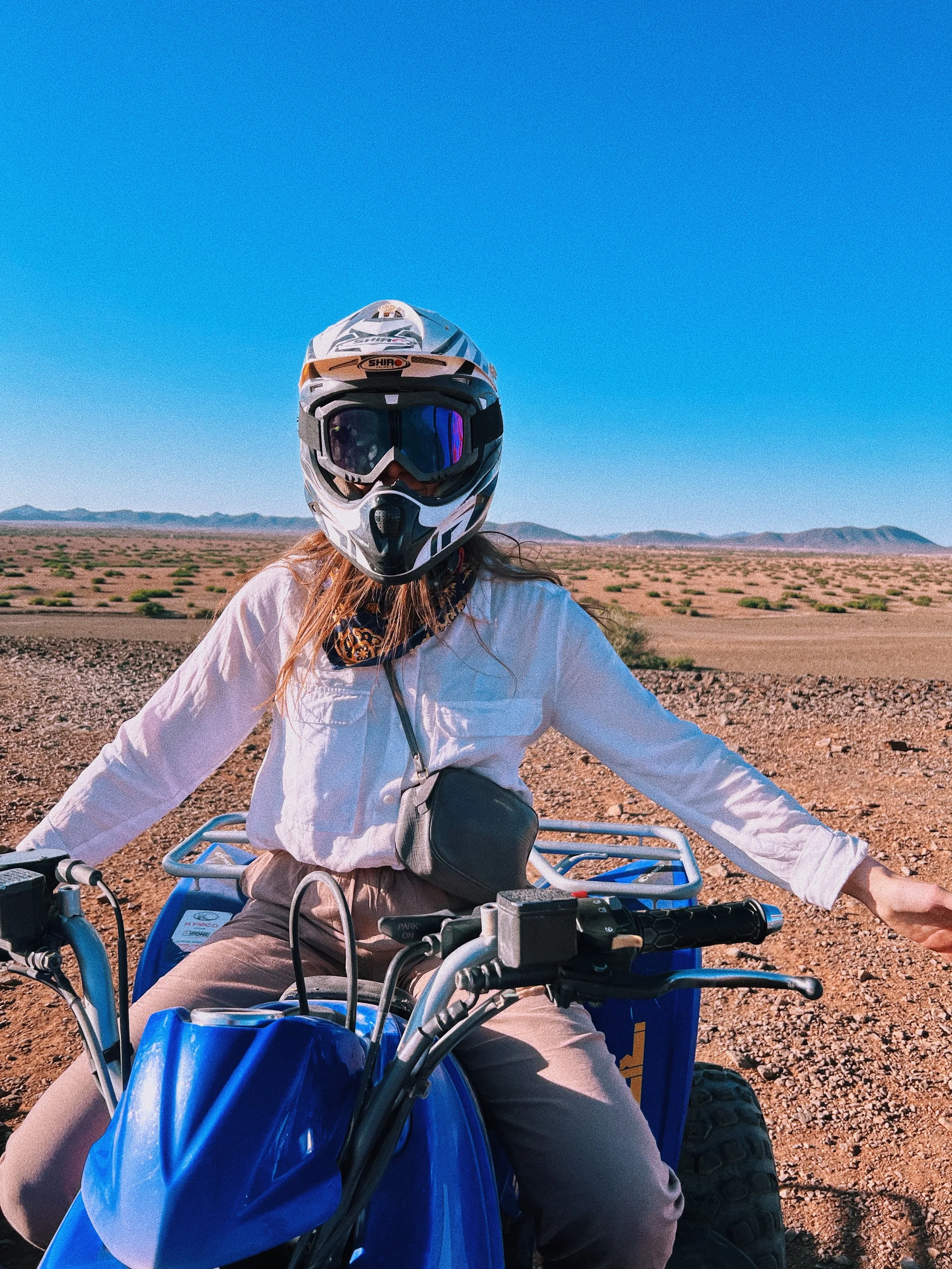
And a few noteworthy adventures
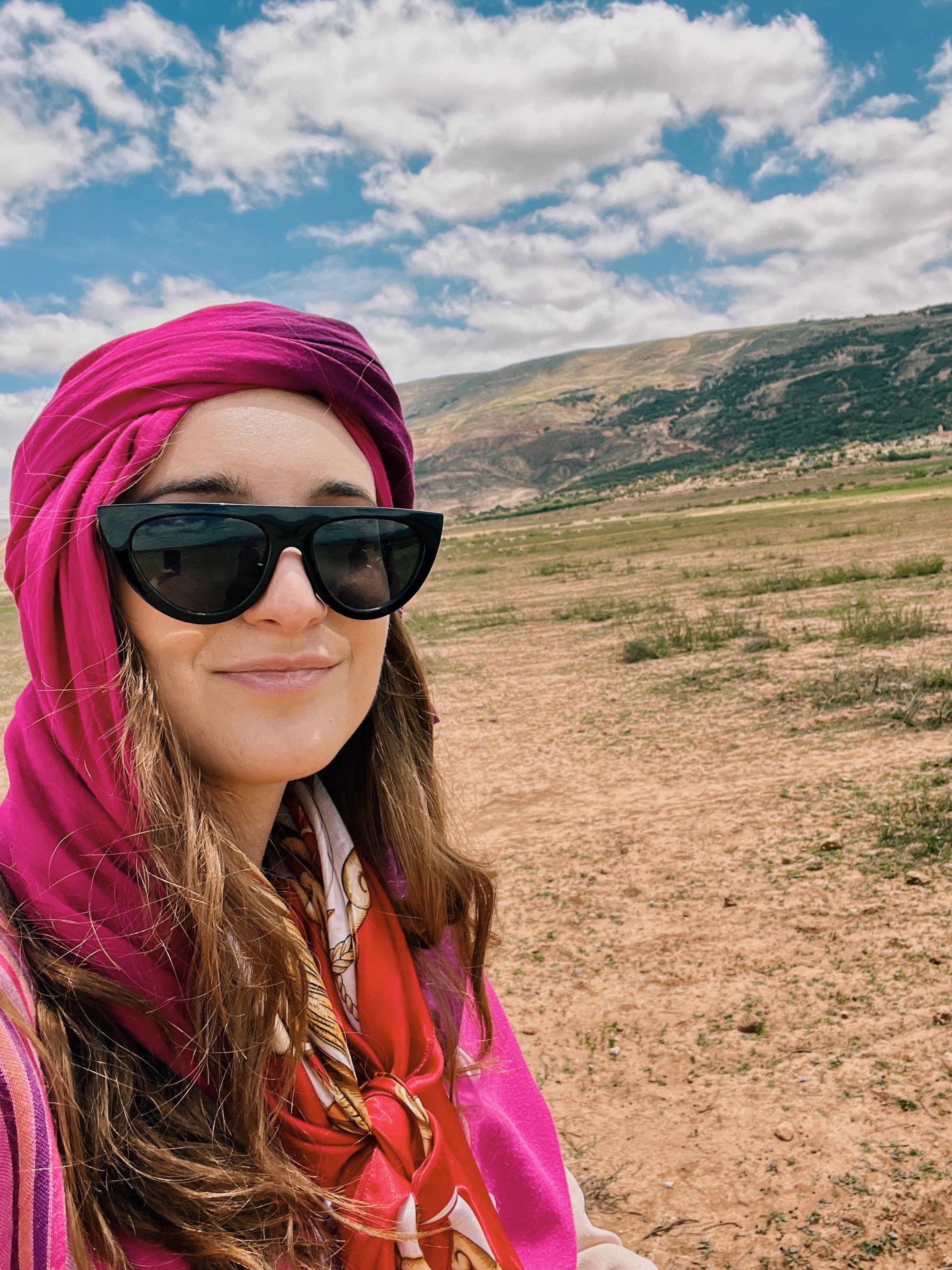
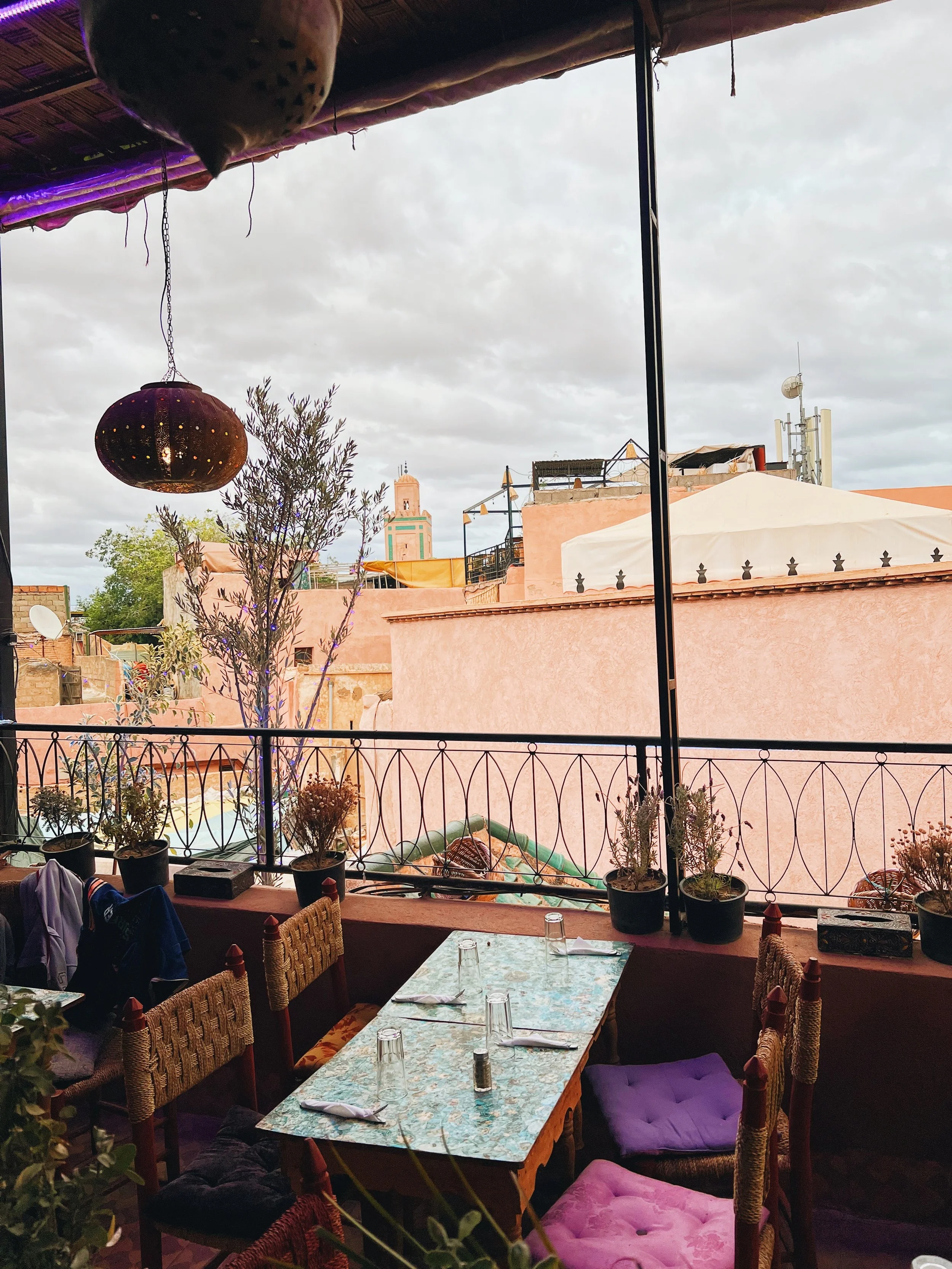
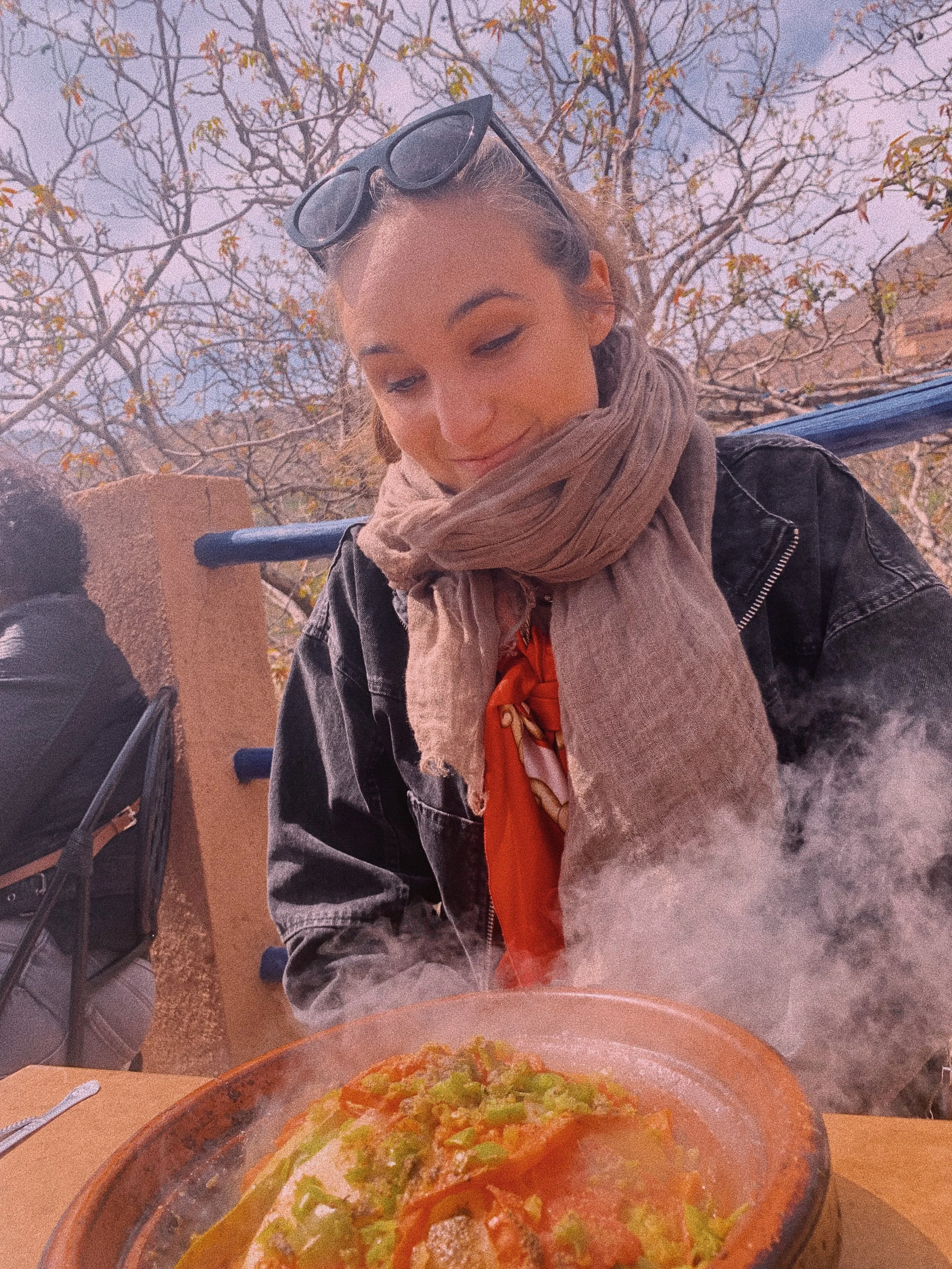
Brined Citrus
Like a tangerine, each city peels back another layer of Morocco.
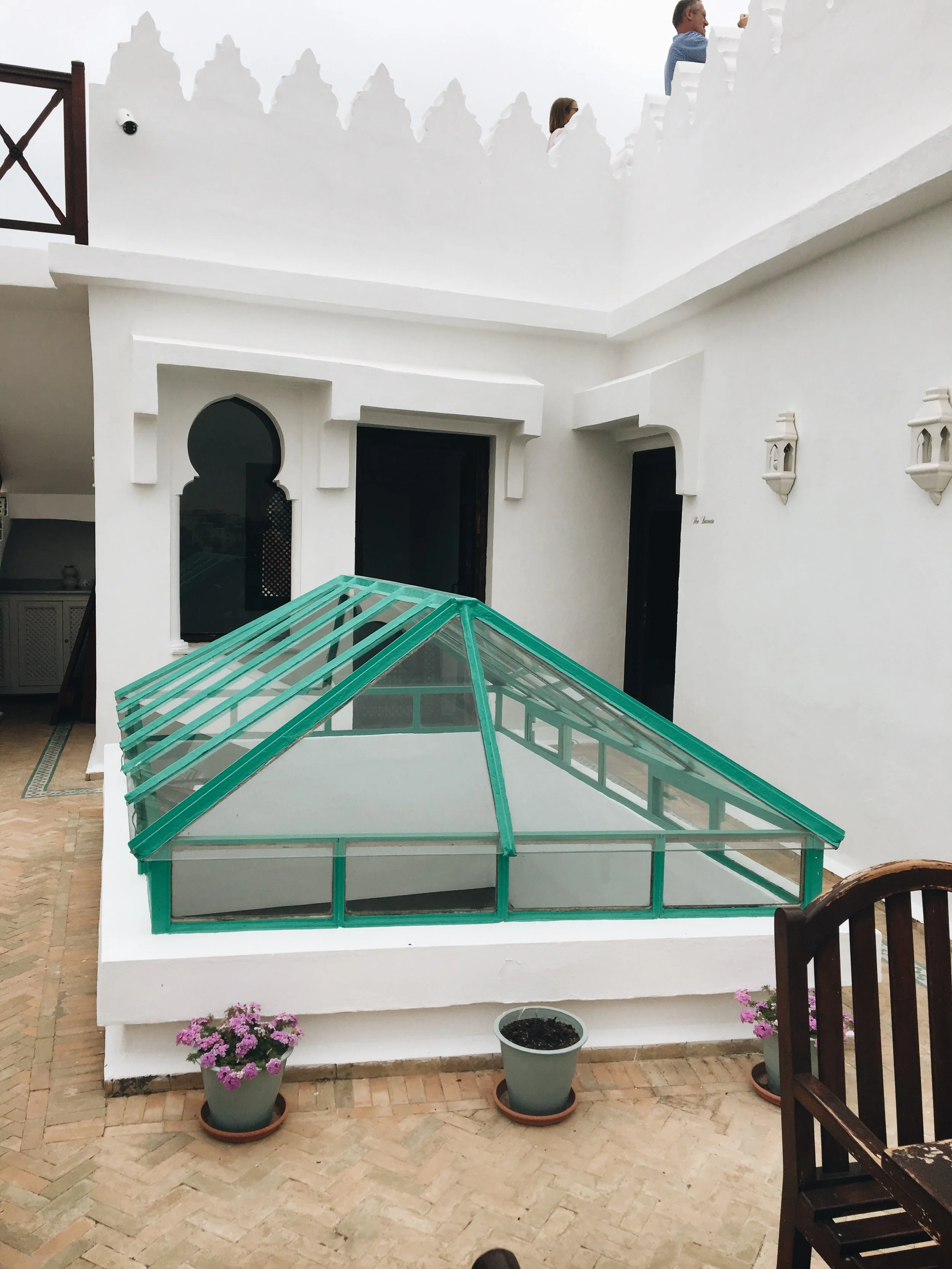
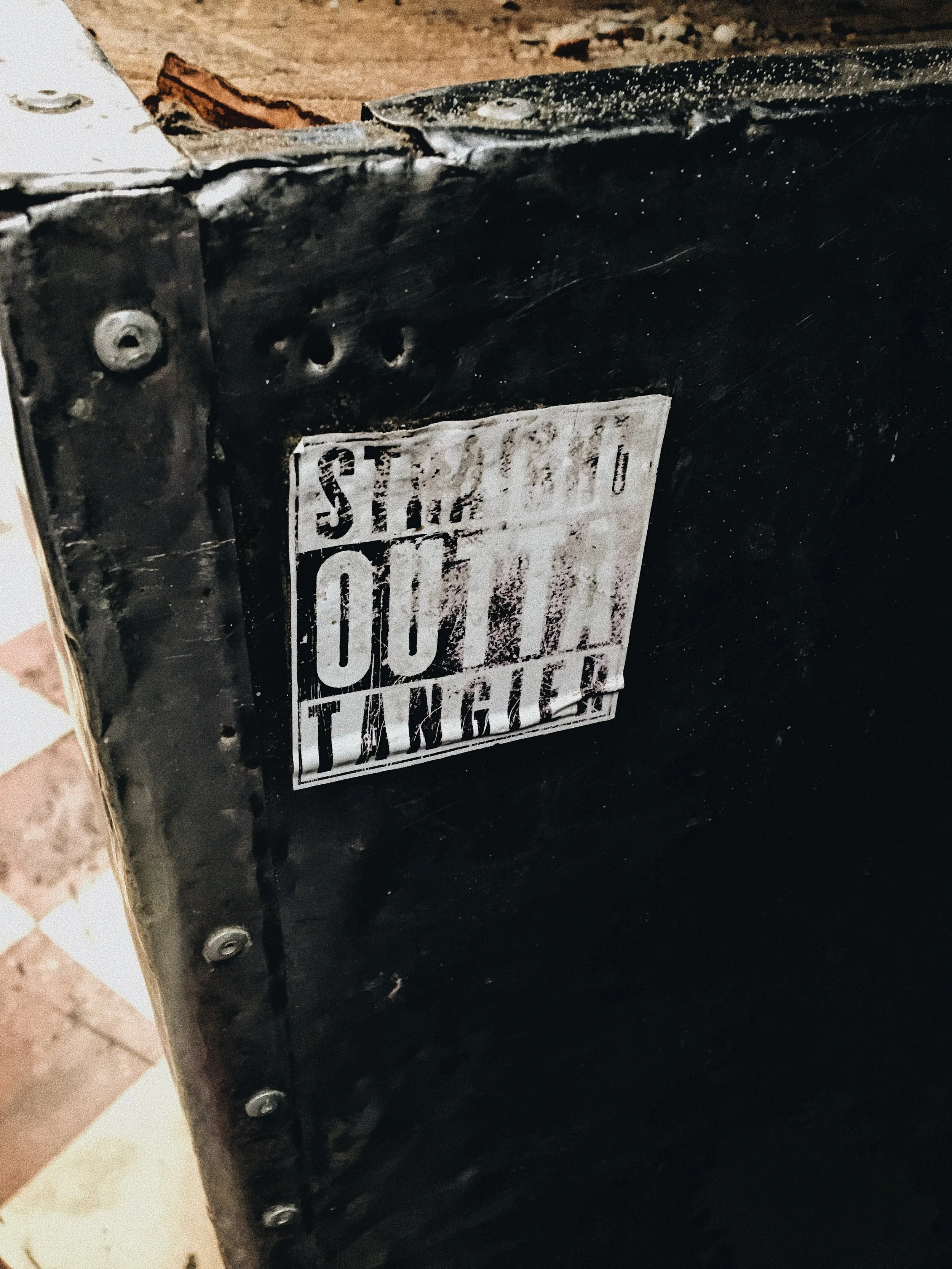
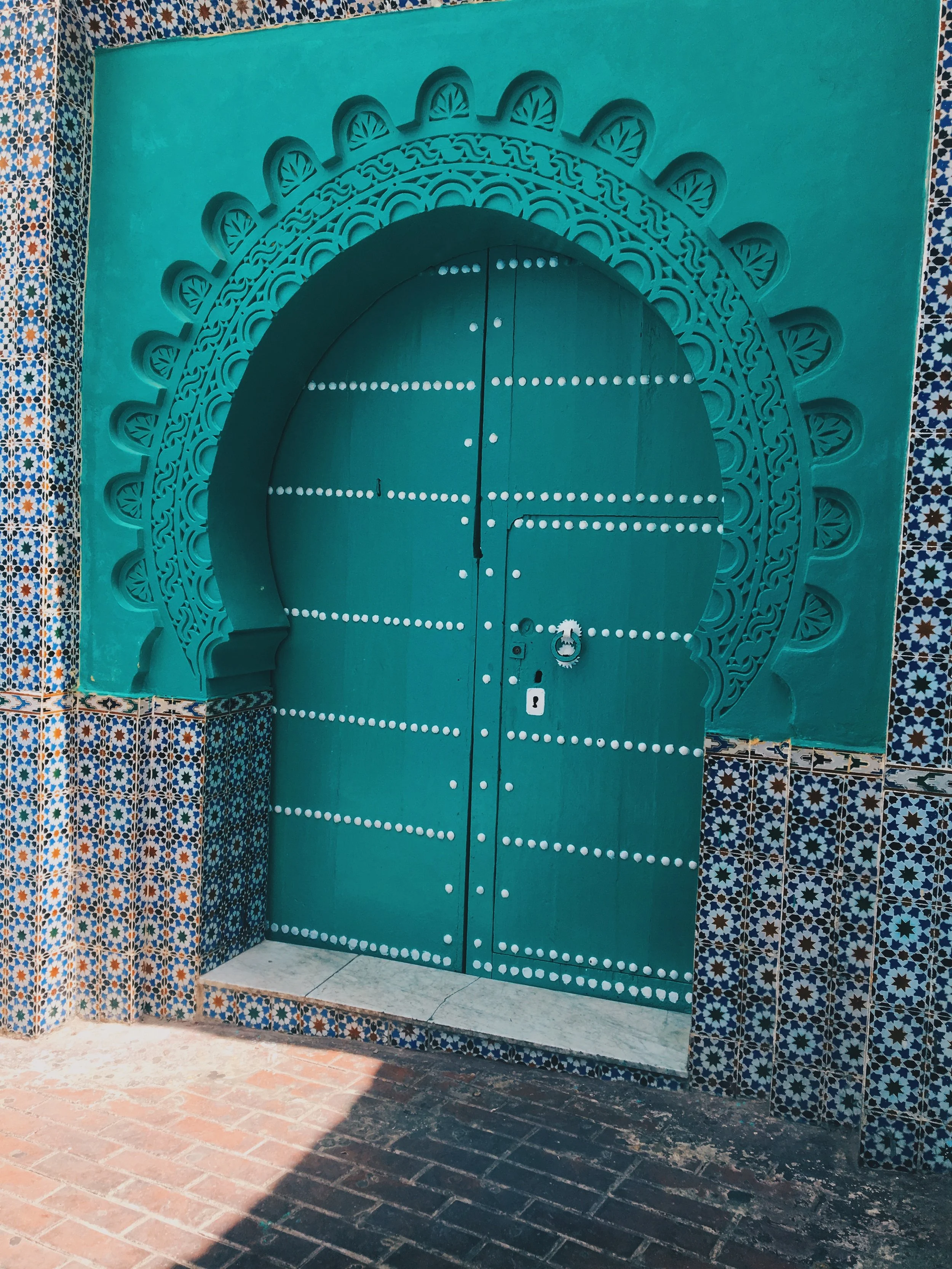
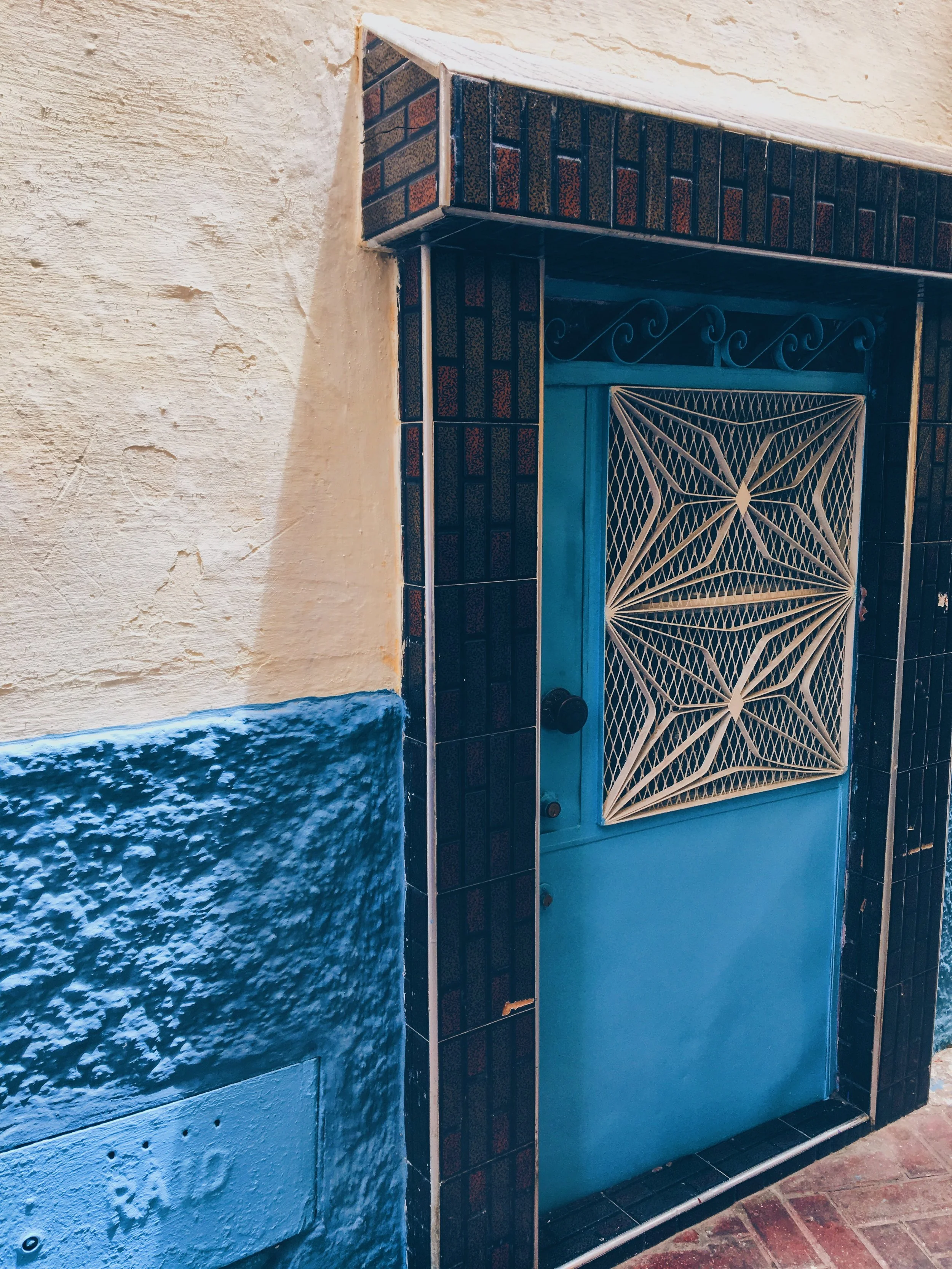
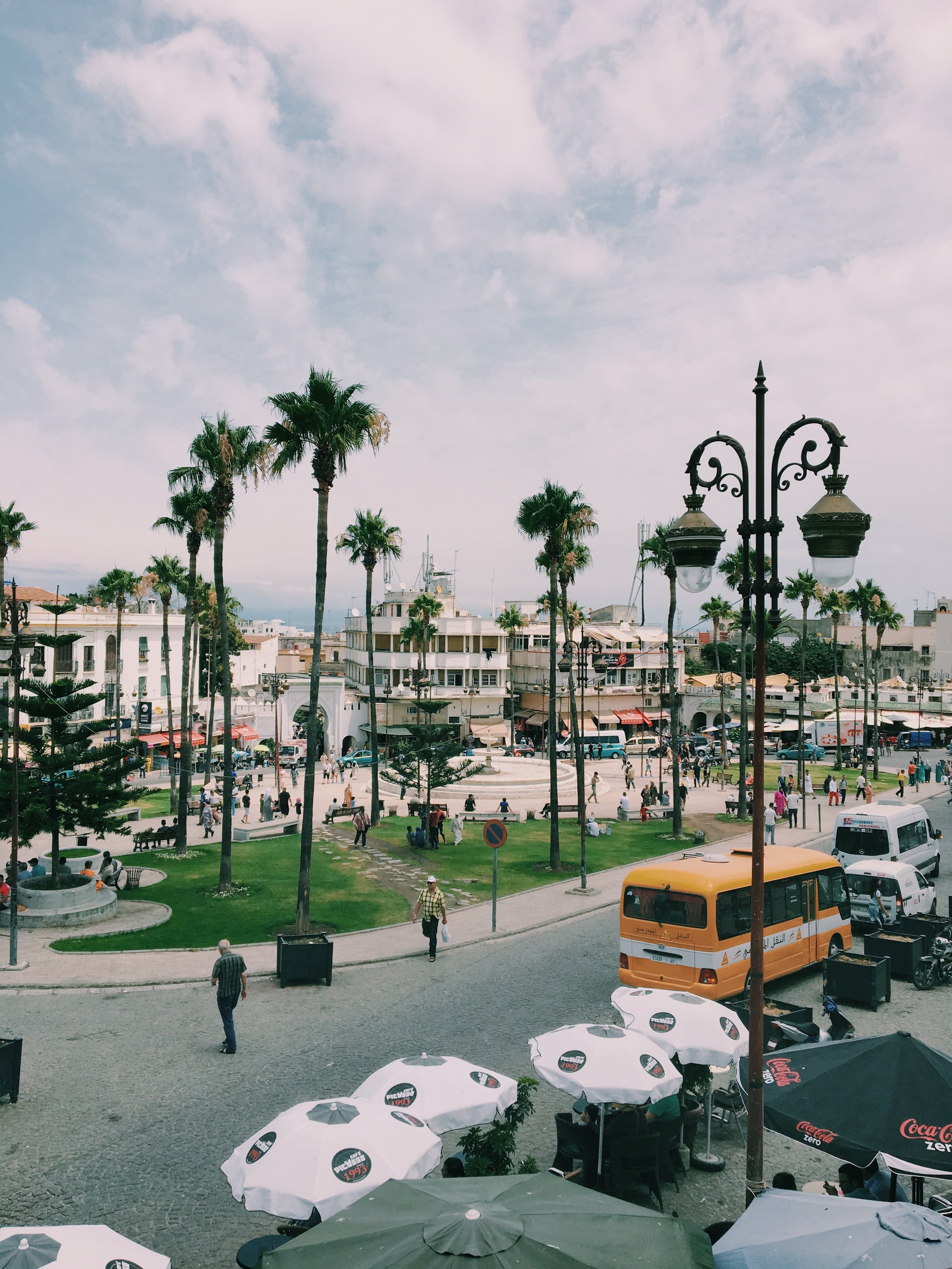
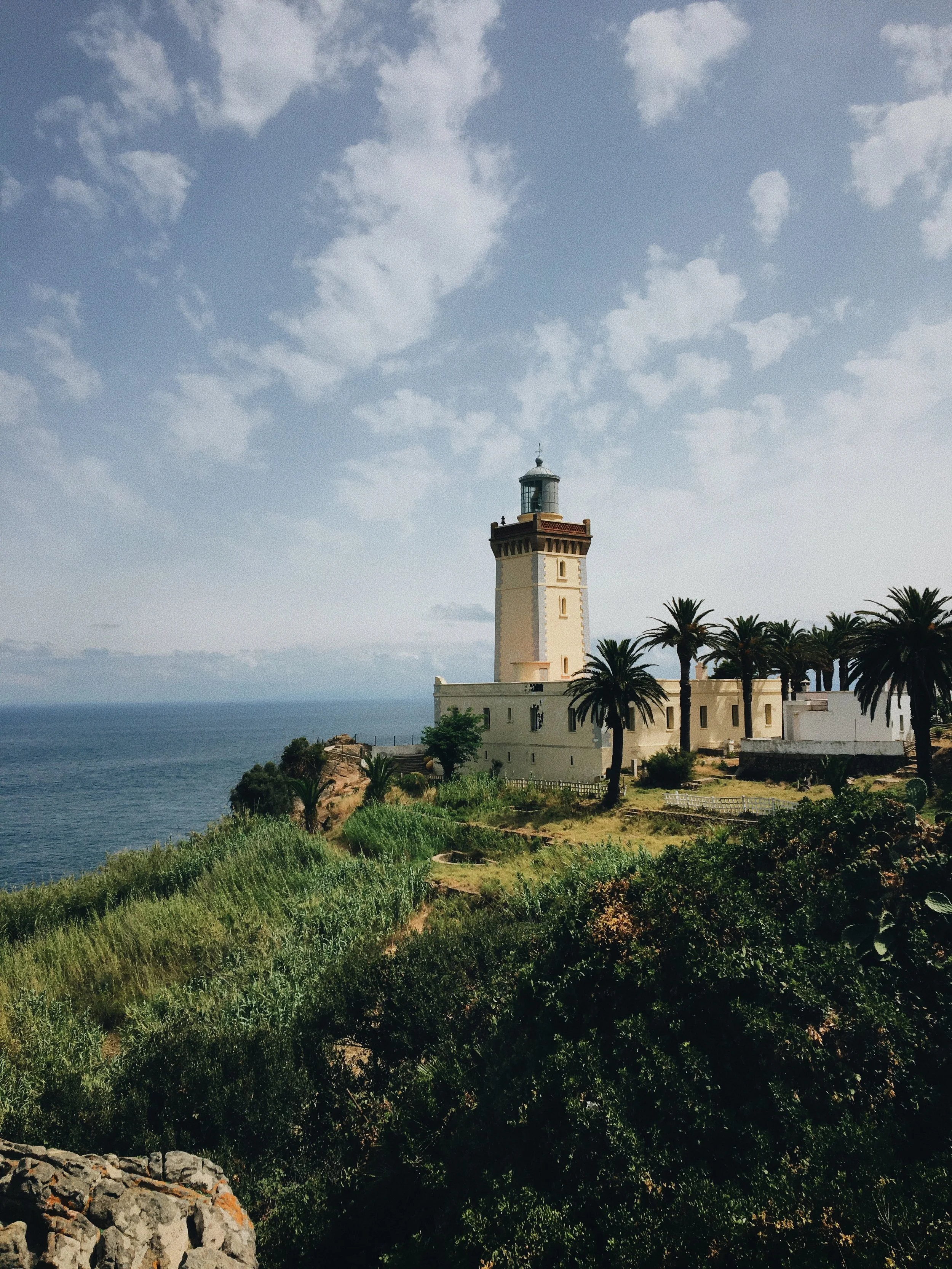
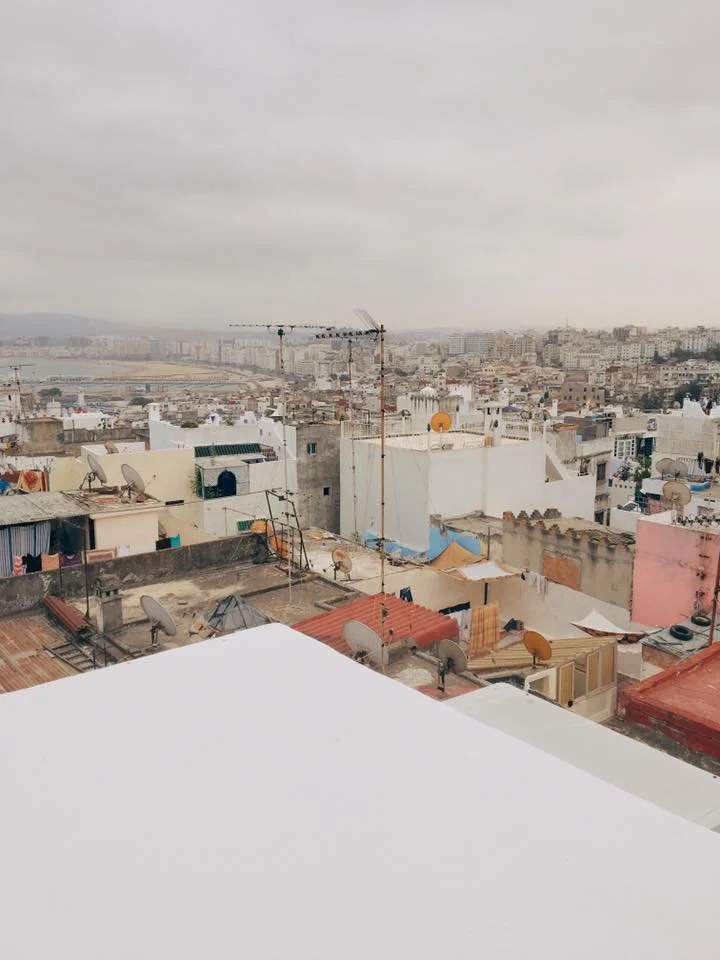
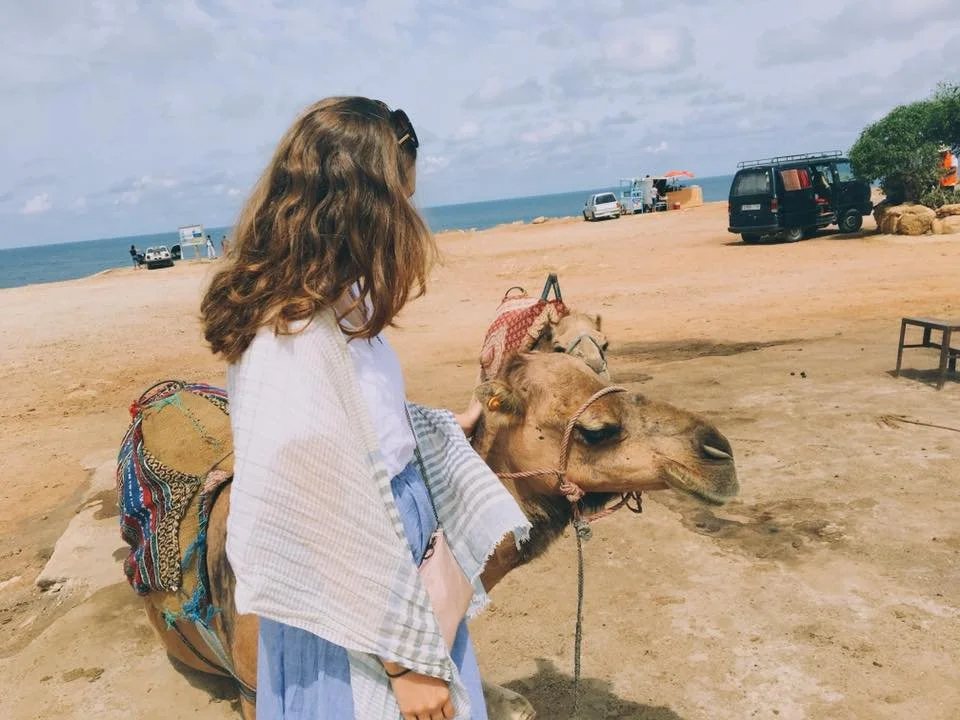
It’s been years since I last wandered Tangier. 2017, to be exact. But some places don’t fade with time. I remember the long, winding passageways. Restaurants that felt lifted straight out of a Bourdain episode. Spaces where history wasn’t explained, it was simply present.
Tangier reads like a living history book. Claimed and reclaimed by the Greeks, Phoenicians, Romans, and later the Portuguese, the city carries its past openly. You feel it in the architecture, the pace, the way the city seems to watch you as much as you observe it.
In Marrakesh, you catch glimpses of Berber culture. In Tangier, the roots feel closer to the surface. Less stylized. Less curated. More exposed.
Maybe it’s just me, but port cities always seem to carry a quiet mystery. I’ve felt it in Cartagena, in Casablanca, and here again in Tangier. There’s something about the edge of land meeting water. The wharves, the fishermen, the constant coming and going. Port cities hold stories of departure and return, of trade and conquest, of people who pass through and those who stay behind.
Tangier lives in that in-between. A city shaped by tides, history, and the unresolved feeling that something has always just arrived, or is about to leave.
A bit of R&D
Podcasts to listen to before going:
Traveling to Morocco rarely feels like a decision. It feels like a pull, a quiet insistence that arrives before you can explain it. Morocco doesn’t call everyone, and it doesn’t offer clarity when it does. If you feel drawn there, trust it.
Like any meaningful journey, it meets you where you are. Sometimes it unsettles you, expanding your world through intensity, unfamiliar rhythm, and a rush of sensation. Other times, it sends you home with a sharper appreciation for what you already have. Journeys like this exist to disrupt your sense of scale, to move you through wonder until a new horizon appears.
Either way, you return altered, shaped by what you discovered or by what you learned to see differently. Morocco doesn’t leave you unchanged. The mystery is part of the invitation.
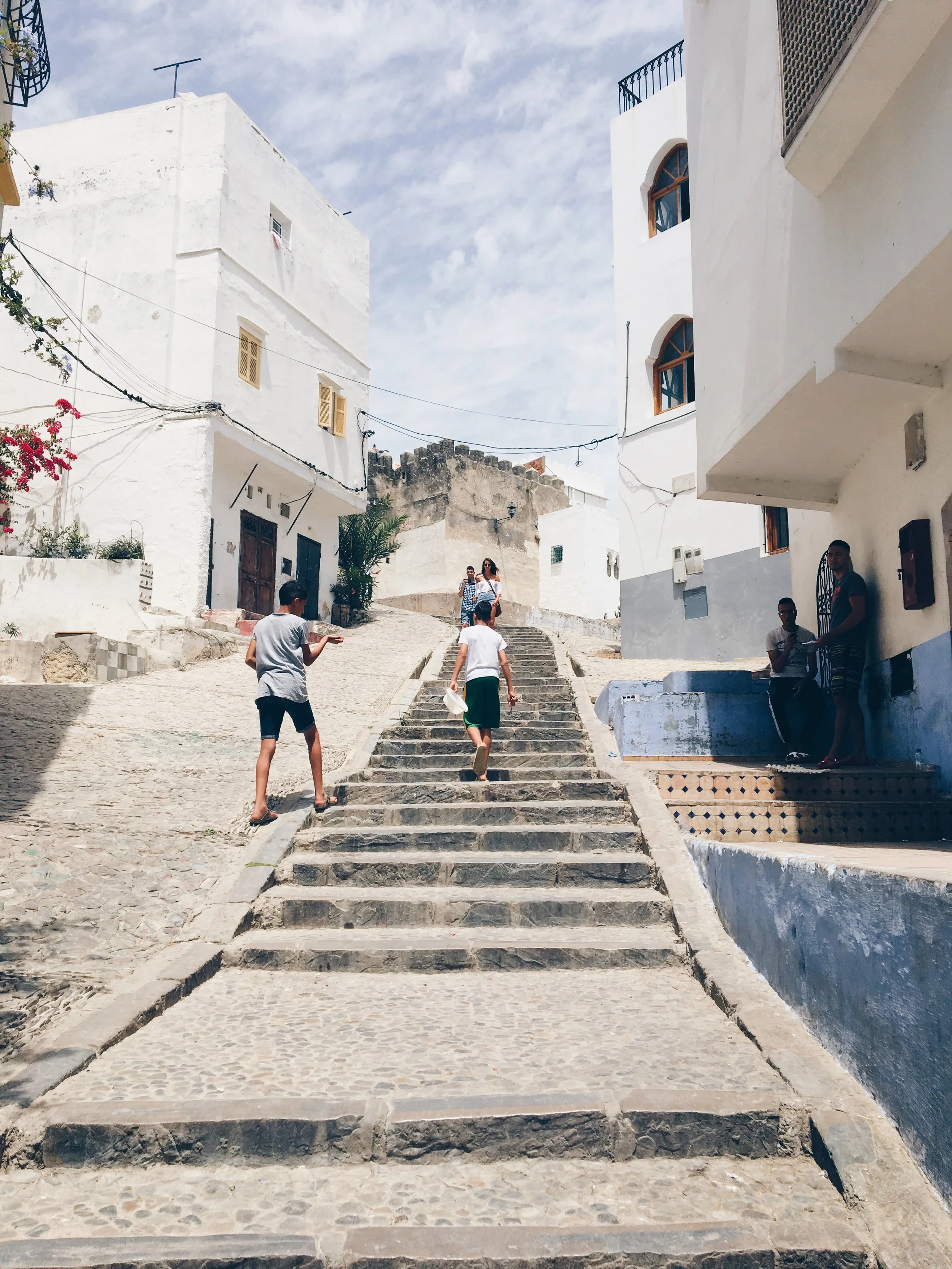
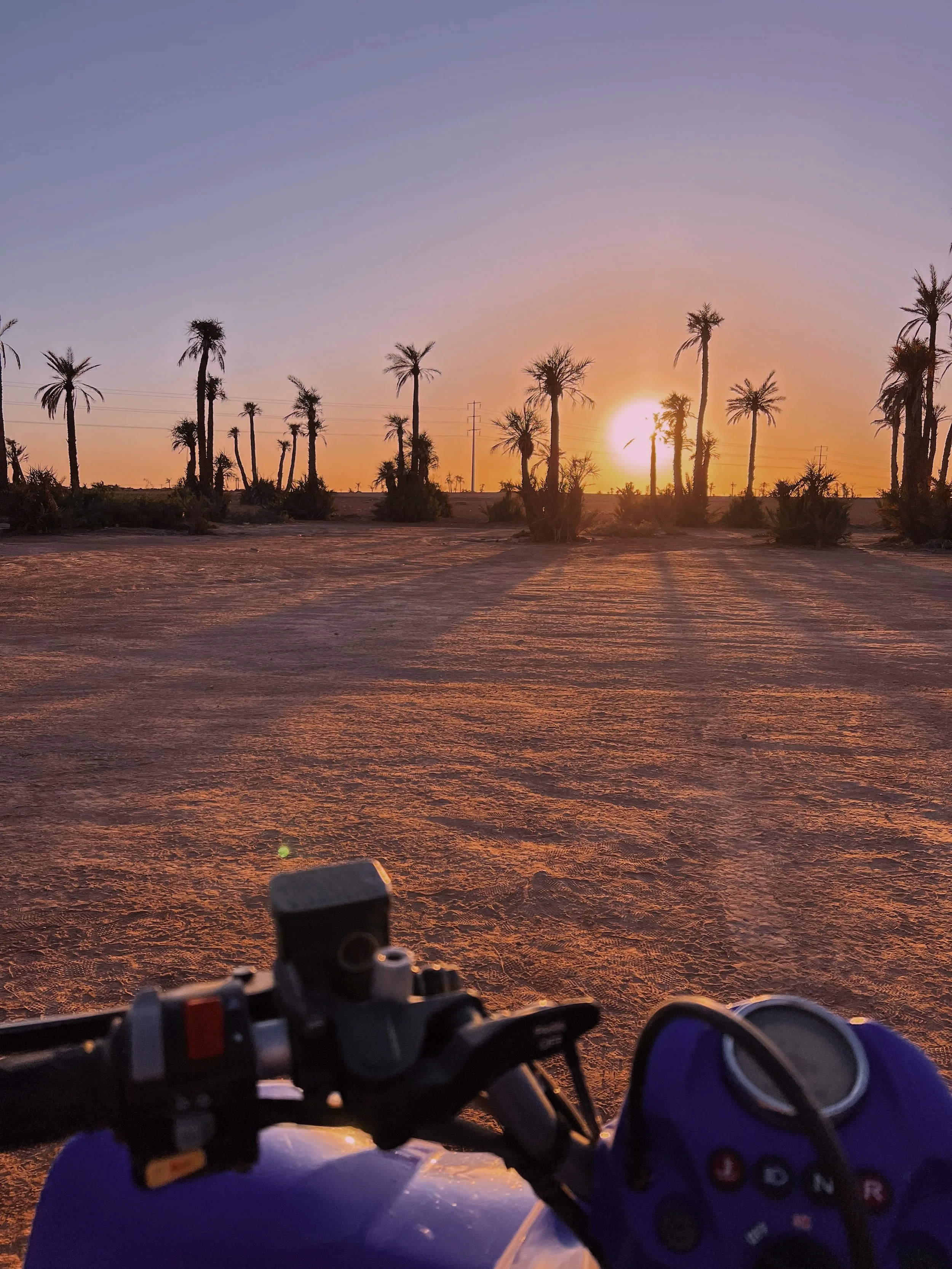
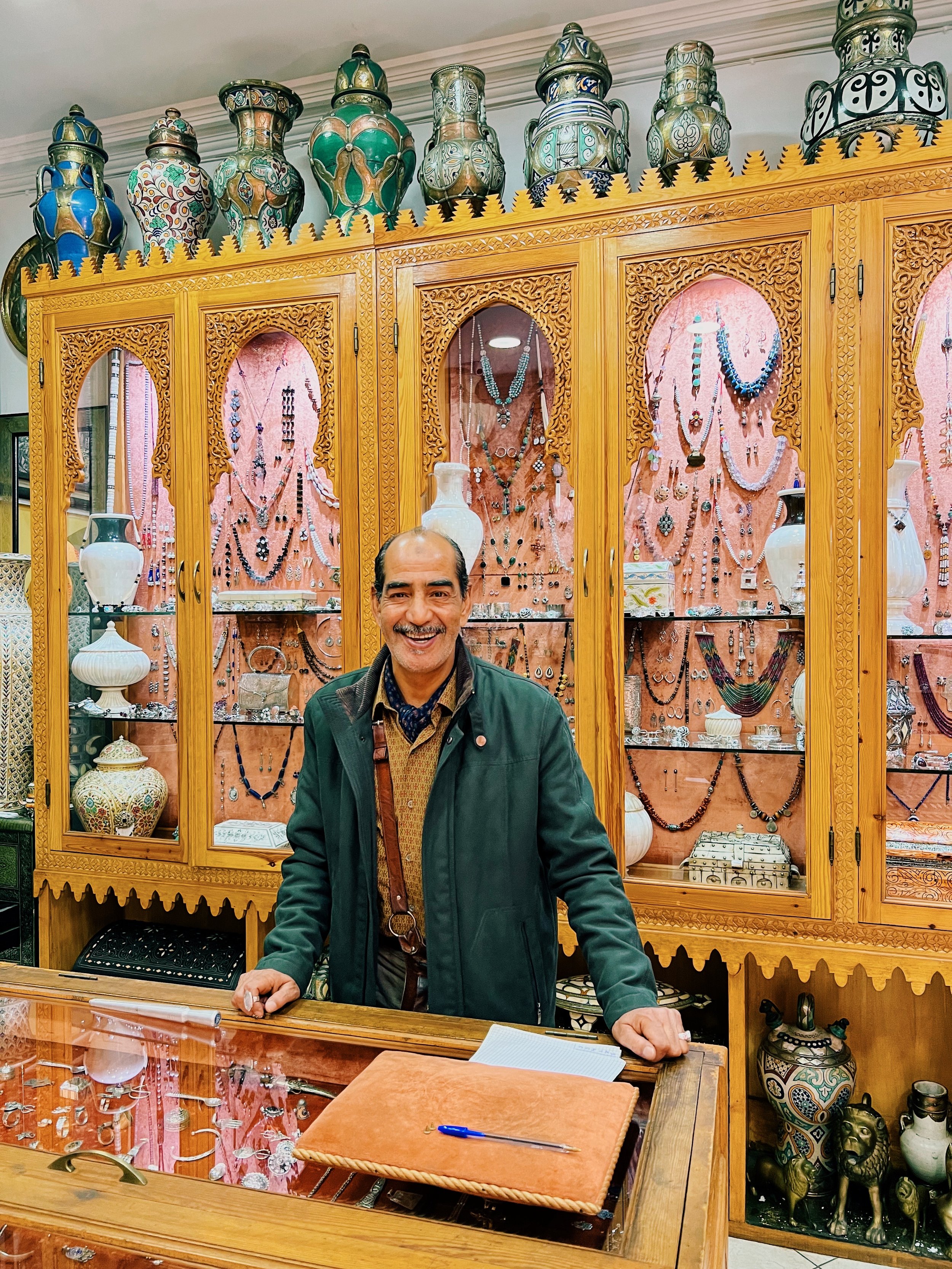
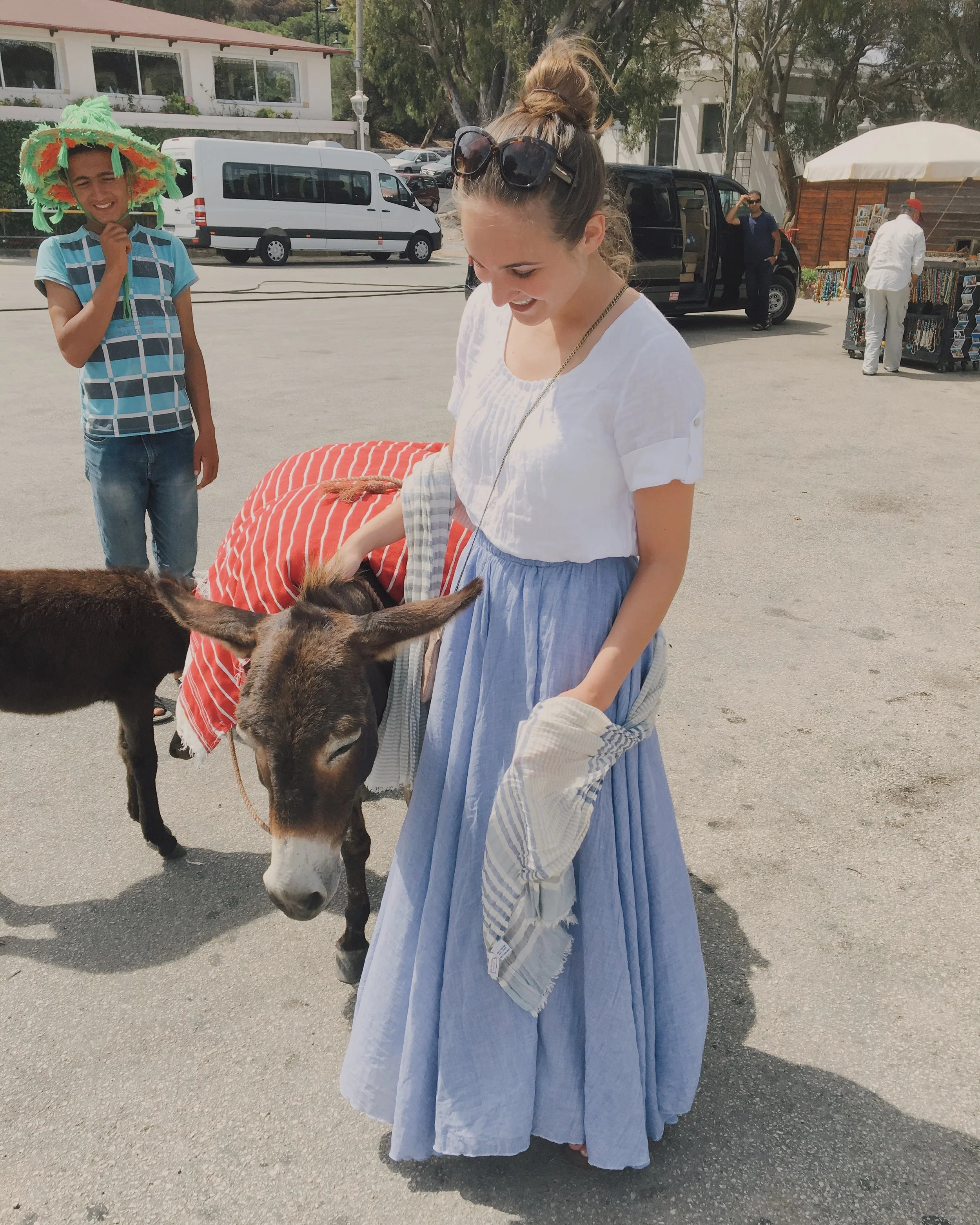
Forever one of my favorite photos. The wandering, effervescent spirit of Morocco, caught for a moment in stillness.
