A Journey Through Space and Time
أفضل يوم على الإطلاق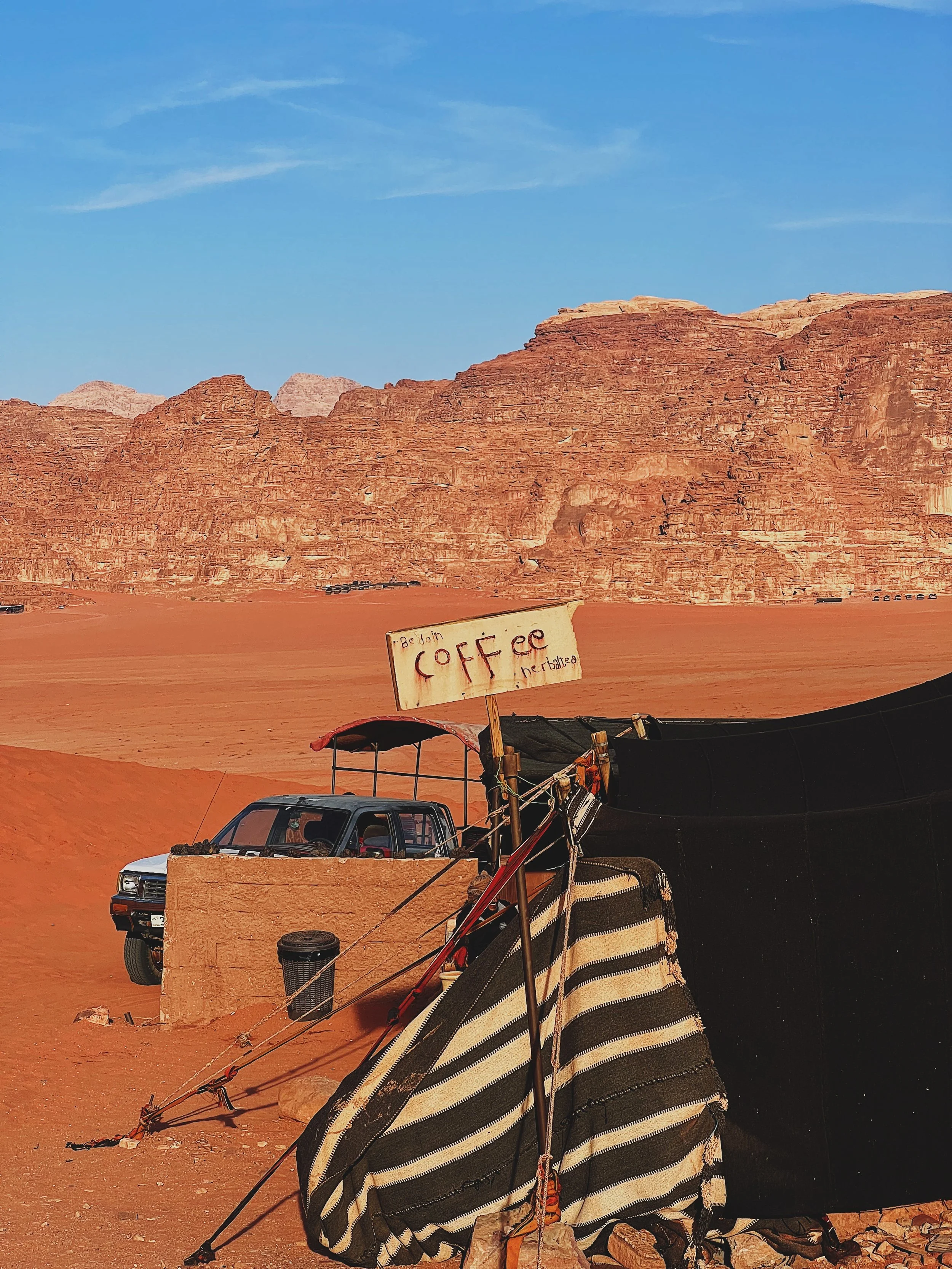
Wadi Rum
I had technically been to Jordan long before I ever arrived.
Through Indiana Jones. Through The Martian. Through photographs, stories, headlines, and years of cultural references. Certain places enter our lives long before geography does. We inherit perceptions before we form experiences.
We do this with countries.
We do this with brands.
We do this with people too.
Jordan felt like one of the clearest examples of that idea. It felt simultaneously familiar and completely foreign. Ancient and modern. Earth and somewhere beyond it.
What struck me most was the coexistence of timelines.
Ancient civilizations, religious history, movie references, tourism ecosystems, and everyday life all layered on top of one another. We tend to think of history as linear, moving neatly from one era to the next, but places like Jordan remind you it rarely works that way. The world feels less like a sequence of chapters and more like overlapping realities existing at once.
Carrying Layers of Identity
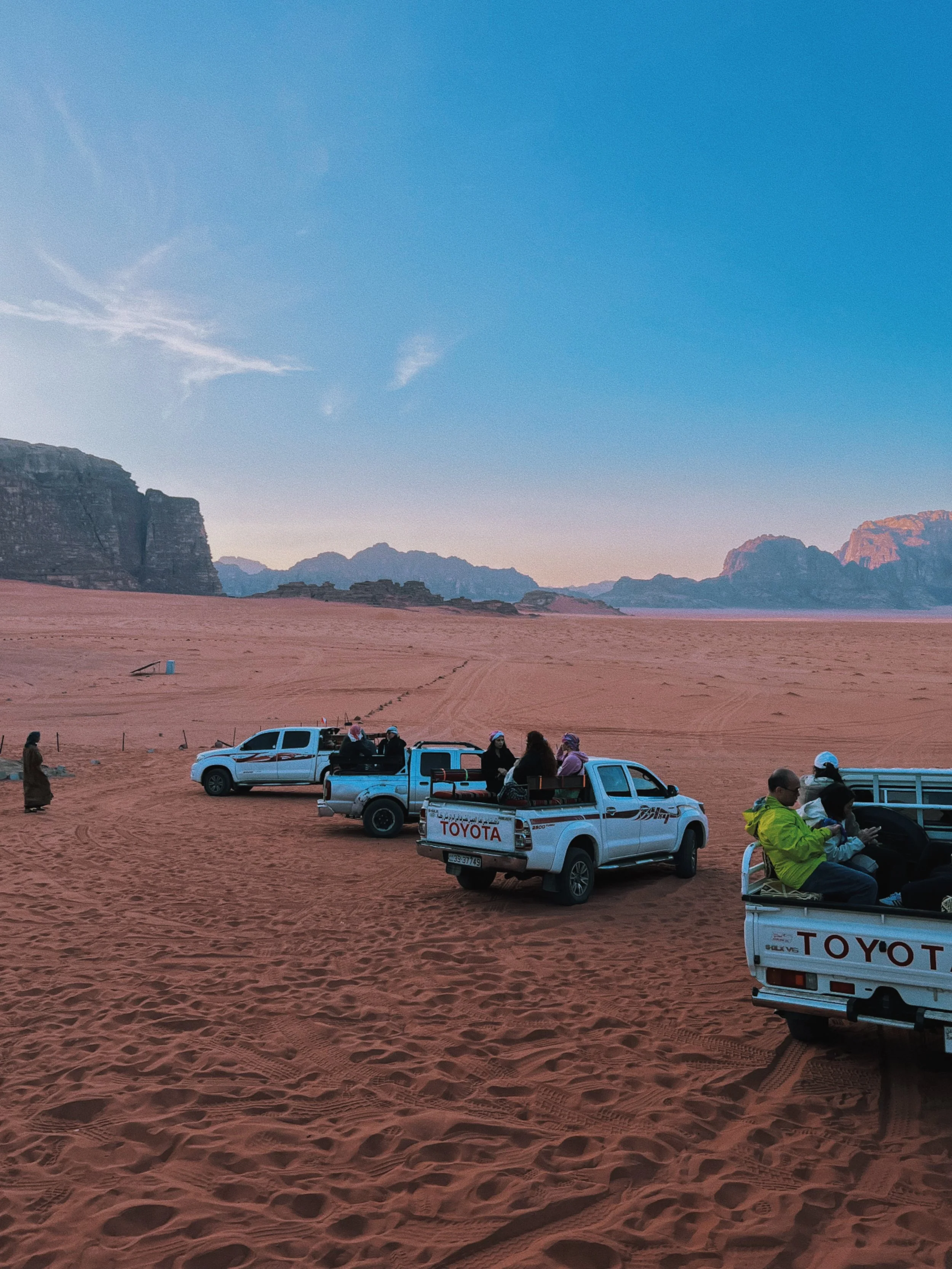
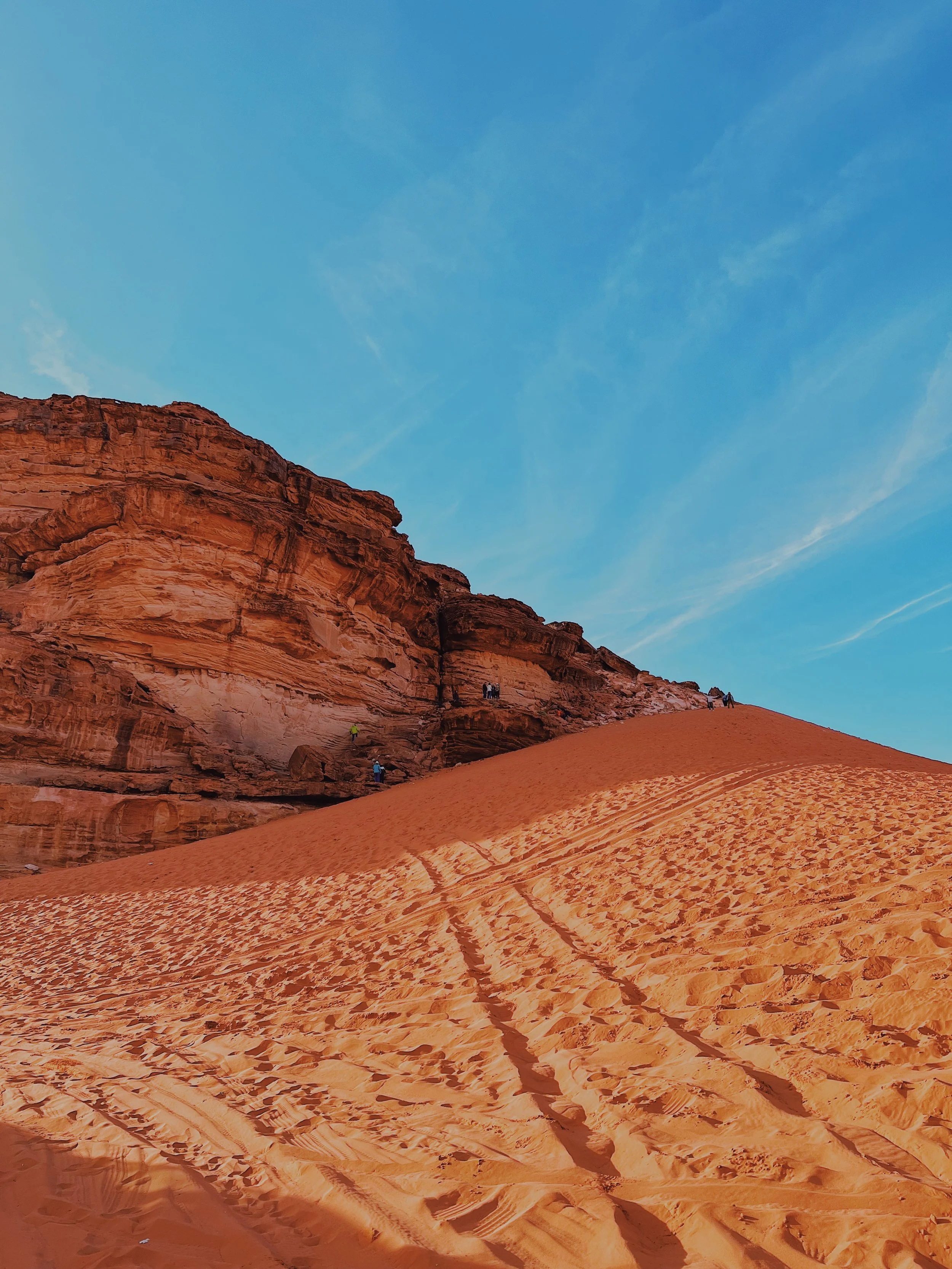
Standing in Wadi Rum, it immediately made sense why filmmakers continue returning there.
Depending on who you ask, Wadi Rum becomes Mars. A movie set. An ancient landscape. A symbol of adventure. A sacred place. A tourism product.
One place. Multiple meanings.
Jordan itself increasingly operates this way.
Simultaneously:
• home
• religious site
• historical archive
• movie backdrop
• national identity
• tourism ecosystem
Different audiences consume the same place differently. A local, filmmaker, tourist, archaeologist, and pilgrim can stand in the exact same place and experience entirely different versions of it.
The world increasingly asks places to perform multiple roles at once.
Rituals Throughout Time
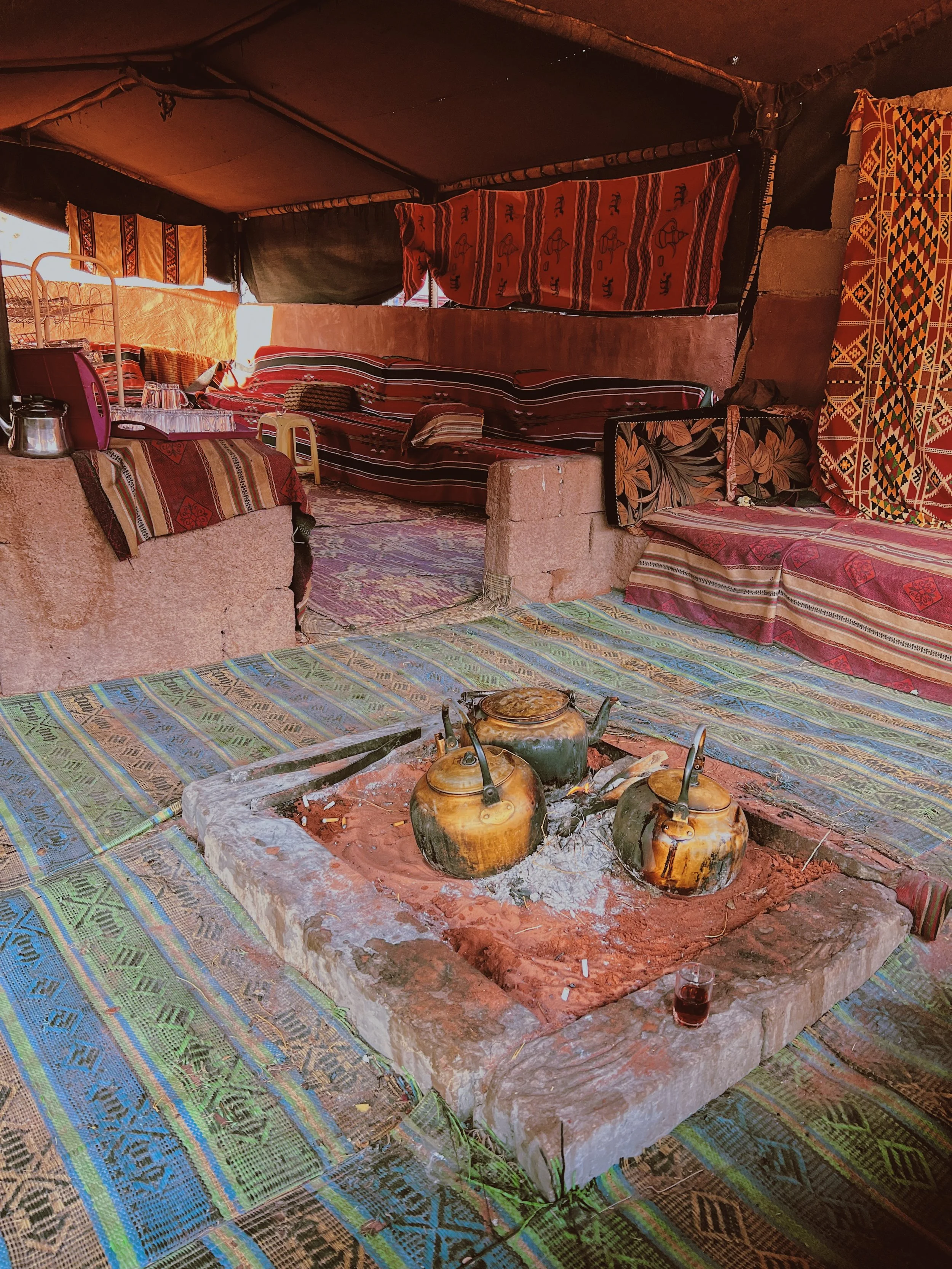
One night we stayed at a Bedouin camp in the desert.
Bubble glamping domes sat beside traditions that have existed for generations. Ancient hospitality rituals existed alongside modern tourism infrastructure. Thousands of years of history comfortably coexisting beside contemporary experiences.
What was interesting wasn't the contrast.
It was how natural it felt.
Modernity rarely replaces rituals entirely. Humans seem to preserve symbols, traditions, and social behaviors even as systems evolve around them. We update the infrastructure but keep pieces of the meaning.
Even the soundtrack felt layered.
Traditional Bedouin culture now intersecting with the global rise of house music. Communities adapting without fully abandoning themselves.
Cultures rarely stand still.
They remix.
Petra
Doing Hard Things Accelerates Connection
There is something strange that happens when people leave normal environments.
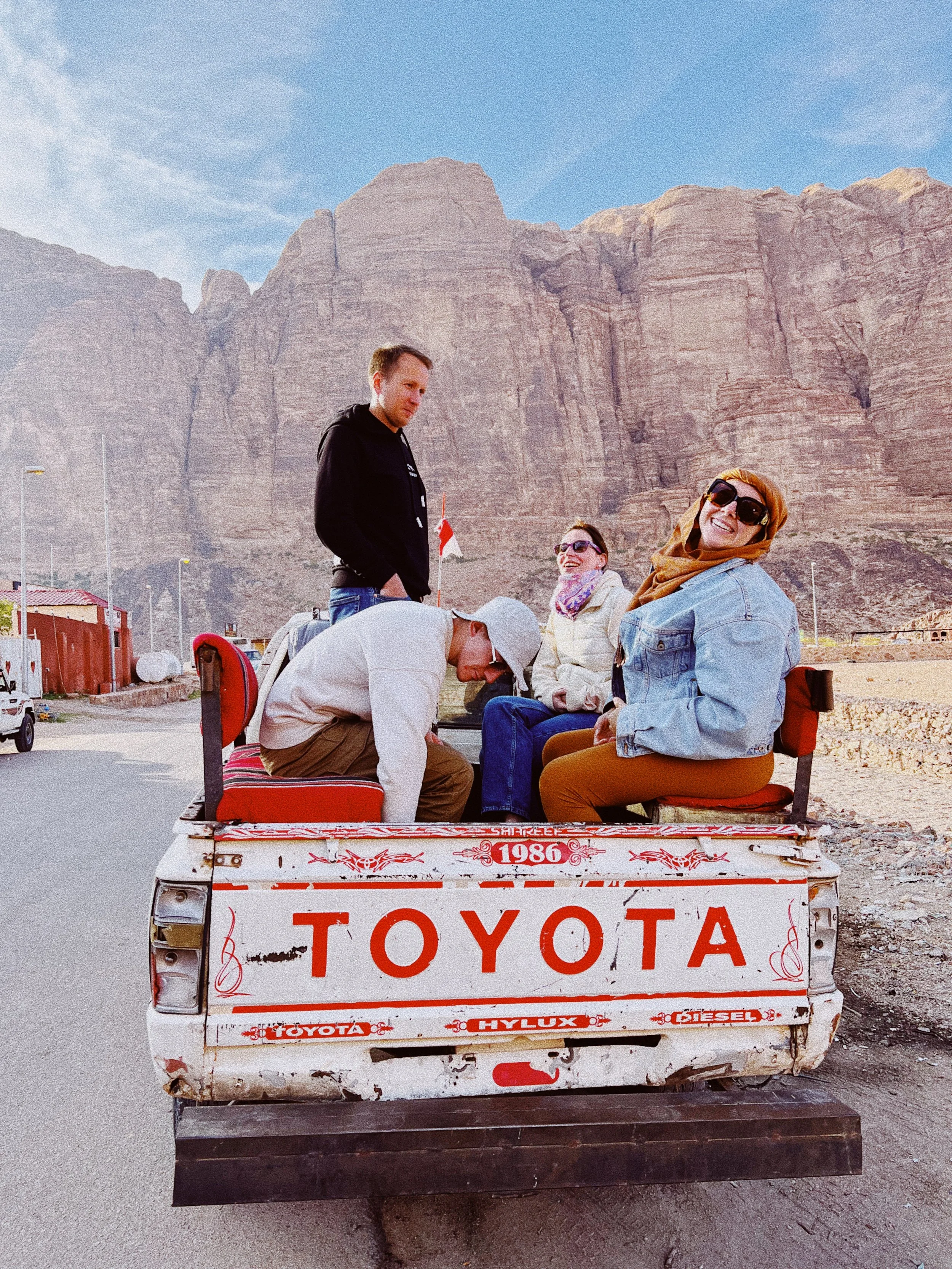
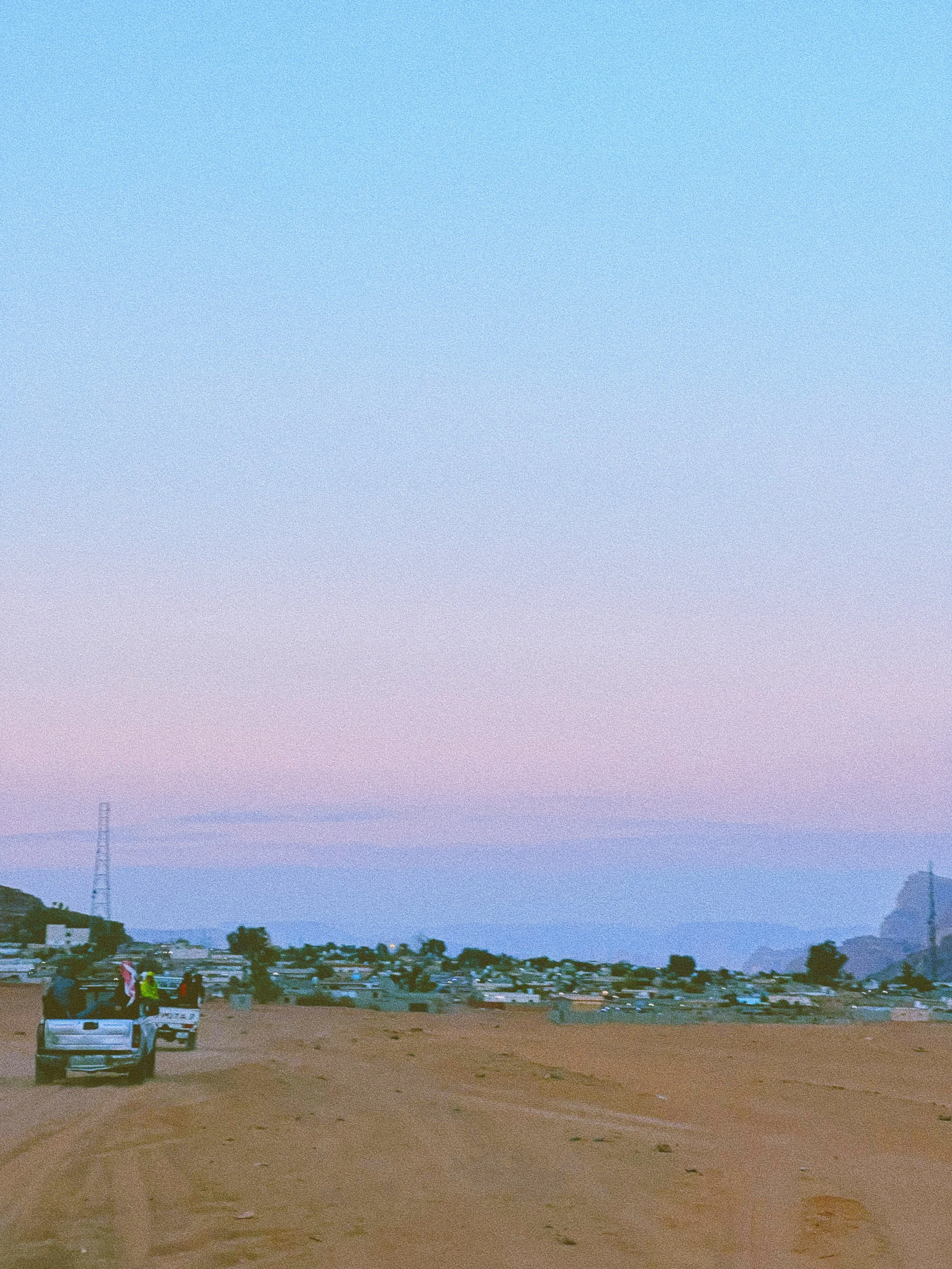
Long days in the desert. Jeep rides. Heat. Hiking. New surroundings.
Hours later, people who had been strangers sat together drinking tea and talking late into the evening.
Doing hard things together compresses time.
It creates shortcuts.
Adventure, discomfort, and shared experiences seem to collapse social distance faster than almost anything else. Underneath geography, language, and culture, people everywhere felt remarkably similar.
Different contexts.
Similar human operating systems.
Wadi Rum
Humans Keep Recreating Awe
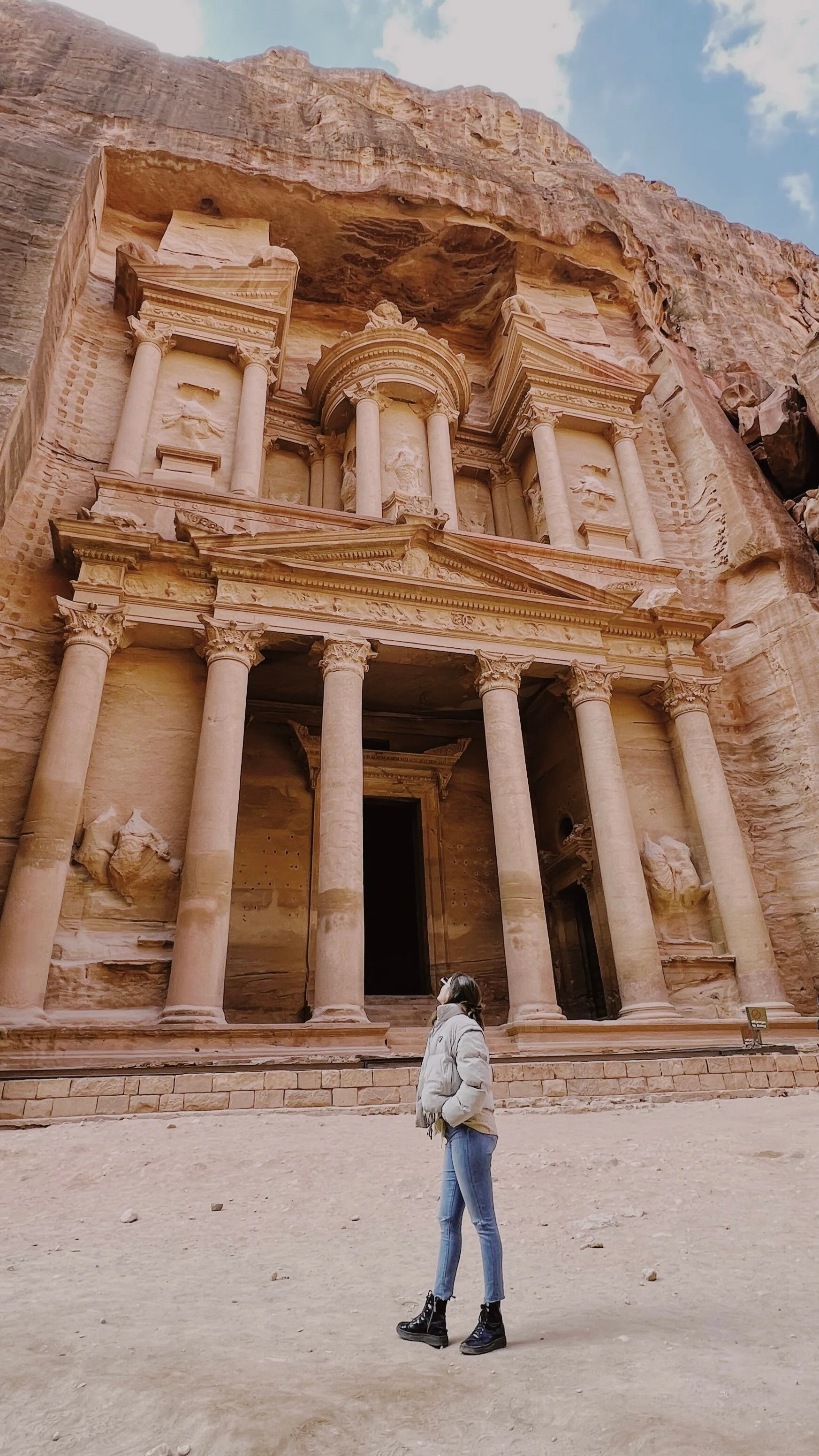
Petra surprised me.
Not because of the Treasury itself, but because of the experience surrounding it.
The entire journey feels designed around anticipation. Narrow passageways. Twists and turns. Ancient water systems and carved pathways built by people solving sophisticated problems thousands of years ago.
Then eventually, the Treasury appears.
People stop walking.
Conversations pause.
Phones lower.
And for a moment, everyone has the same reaction.
Ancient civilizations understood spectacle.
Today we still build around the same instinct. Theme parks. Luxury retail. Concerts. Events. Brand launches.
Across time, humans continue designing emotional experiences.
We just keep changing the medium.
Jordan felt less like visiting a country and more like observing what happens when multiple versions of humanity exist at once.
Ancient and modern.
Local and global.
Inherited and evolving.
Maybe history never really disappears.
Maybe it just keeps layering itself on top of what comes next.
