Egypt and the Architecture of Lore
Conspiracy TikTok, celebrity timelines, and the world's oldest rabbit hole

Cairo
Egypt: Civilization's First Lore Drop
Why do certain people and places generate stories that become larger than the facts themselves?
The question feels increasingly relevant in a culture organized around rabbit holes. Entire corners of the internet now function through collective investigation. Celebrity relationship timelines are assembled with near-forensic precision. Fans build elaborate theories connecting lyrics, interviews, and public appearances. Reddit communities spend years decoding television endings and internet mysteries. TikTok transformed speculation into a form of participation.
The mechanics are familiar enough that "lore" has become part of everyday vocabulary.
People no longer simply follow celebrities, shows, or cultural events. They enter expandable worlds built through symbols, recurring characters, unresolved narratives, and hidden meanings. Information alone rarely sustains attention. The systems that endure tend to leave enough unanswered questions for audiences to participate themselves.
Lore increasingly behaves like a social product.
The tendency itself is considerably older than the internet.
Long before fan theories, conspiracy TikTok, and cinematic universes, Egypt had already developed one of history's most durable systems of cultural storytelling.
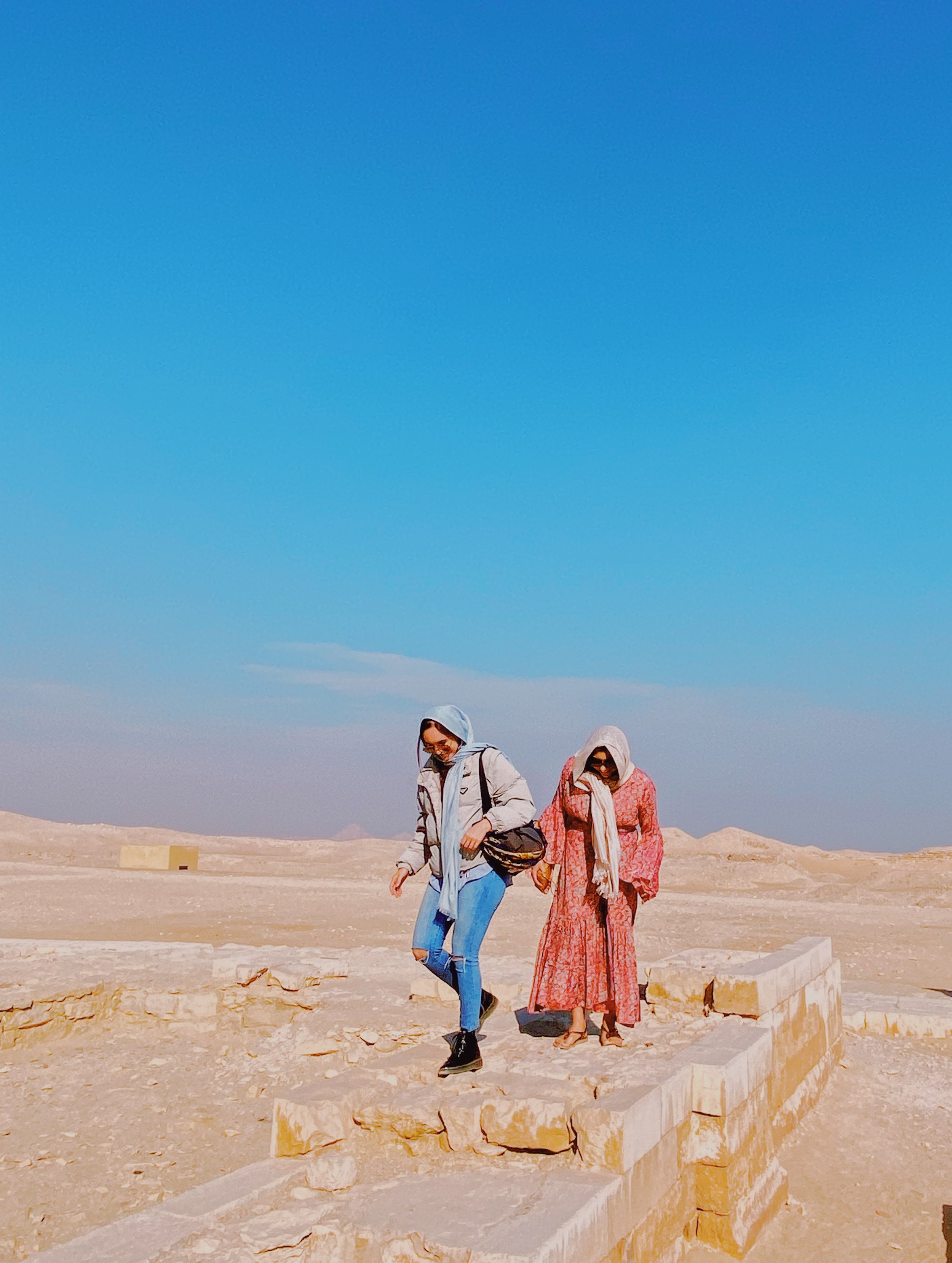
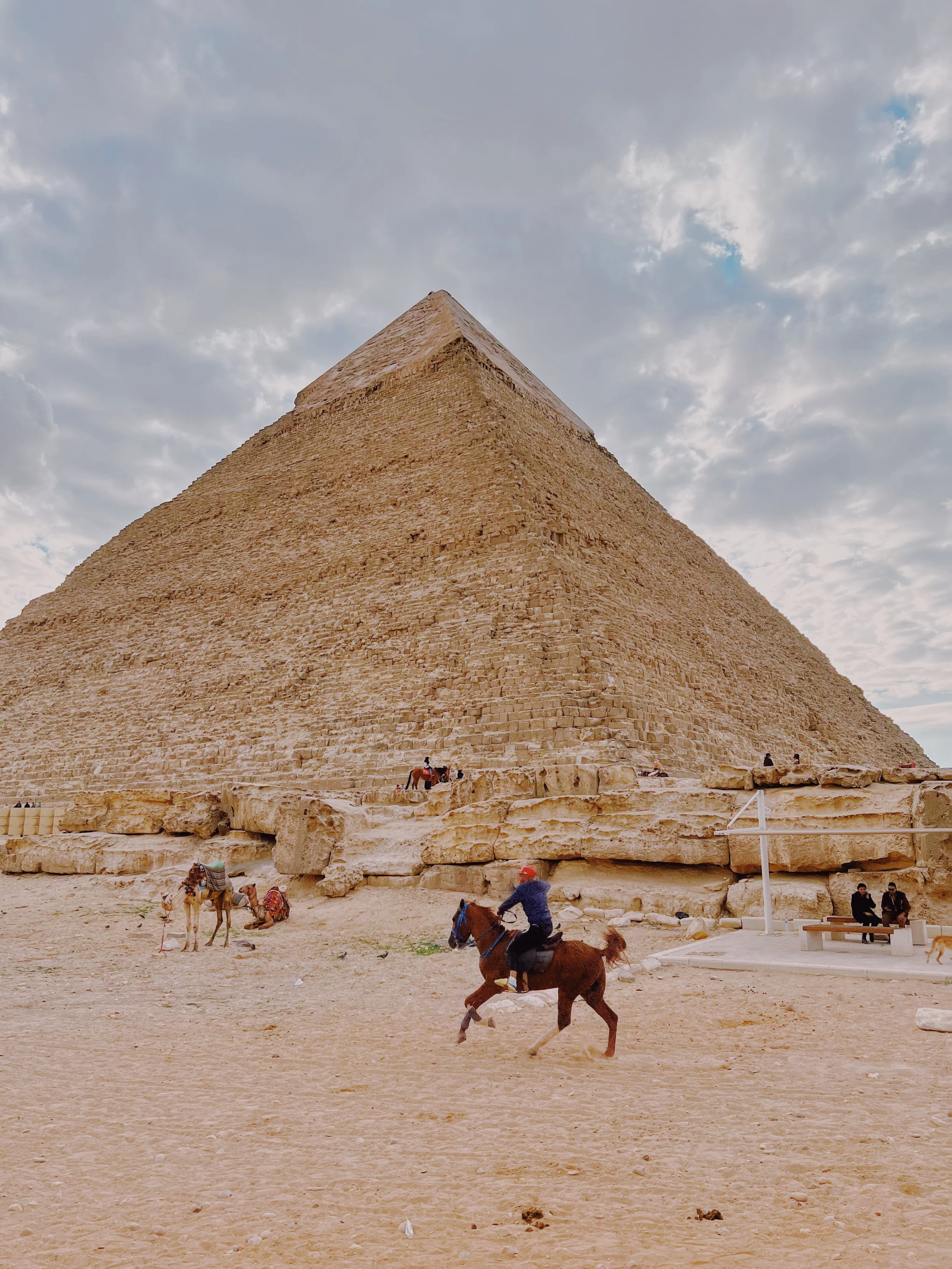
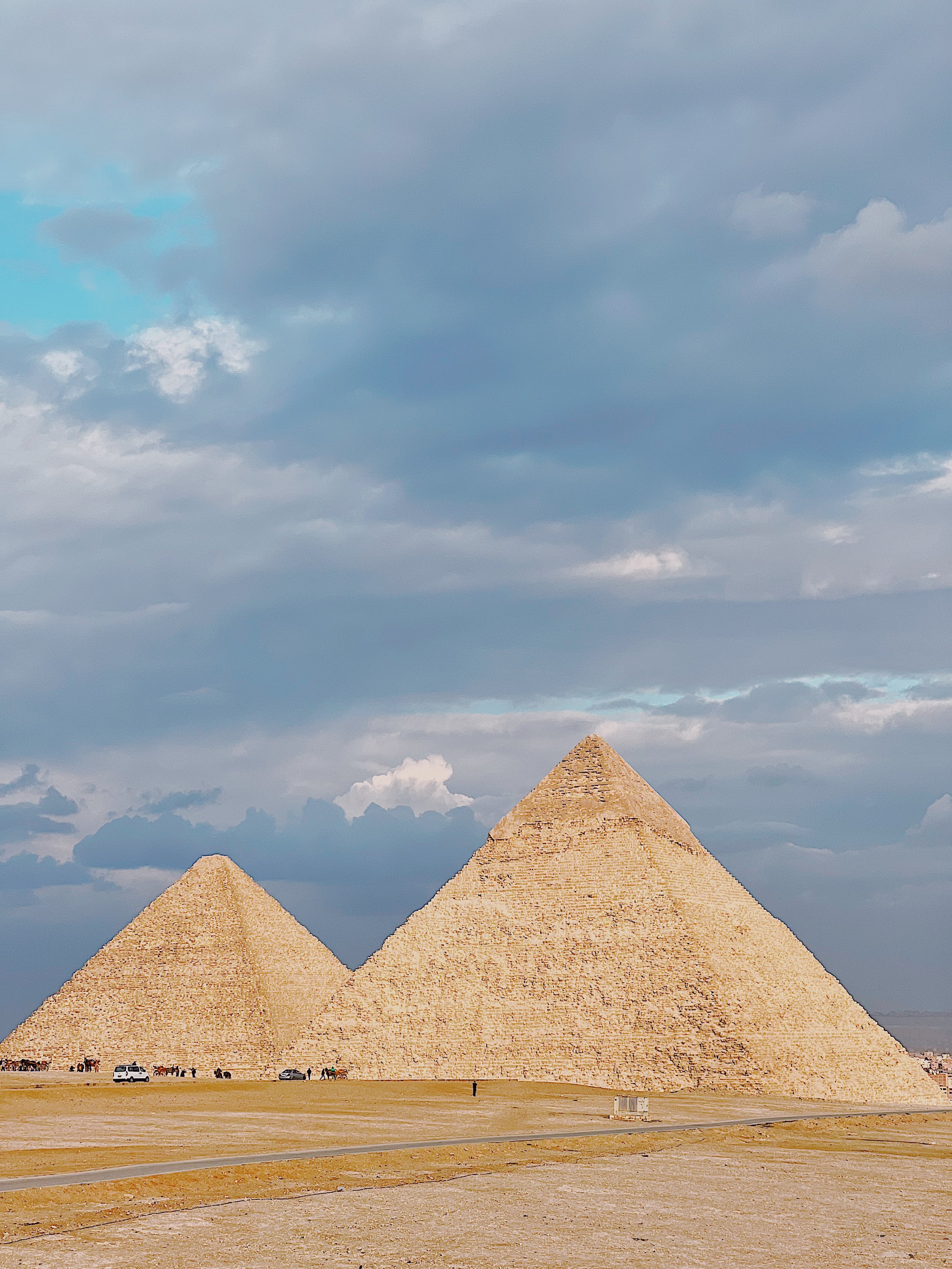
Le Pyramids
Staying Attached to Unfinished Stories
Ancient Egypt generated an unusually dense symbolic ecosystem: gods with overlapping responsibilities, dynastic rivalries, rituals surrounding the afterlife, prophecies, curses, monumental architecture, political intrigue, and rulers presented as figures existing somewhere between human and divine. The stories extended well beyond historical documentation. They functioned as a social system.
Anthropologist Claude Lévi-Strauss argued that myths endure because they help societies organize contradictions that resist simple explanation. Myths survive not because they provide complete answers, but because they preserve tensions people repeatedly return to. Their durability often depends less on certainty than on interpretive openness.
Ambiguity sustains participation.
Egypt contains an extraordinary amount of unresolved material. How exactly were the pyramids built? What remains undiscovered beneath archaeological sites? Why do certain rulers become globally recognizable while millions of ordinary lives disappear from historical memory? How much of what survives reflects ancient Egypt itself versus centuries of interpretation layered on top of it?
Questions like these rarely disappear because they create intellectual space for continual expansion.
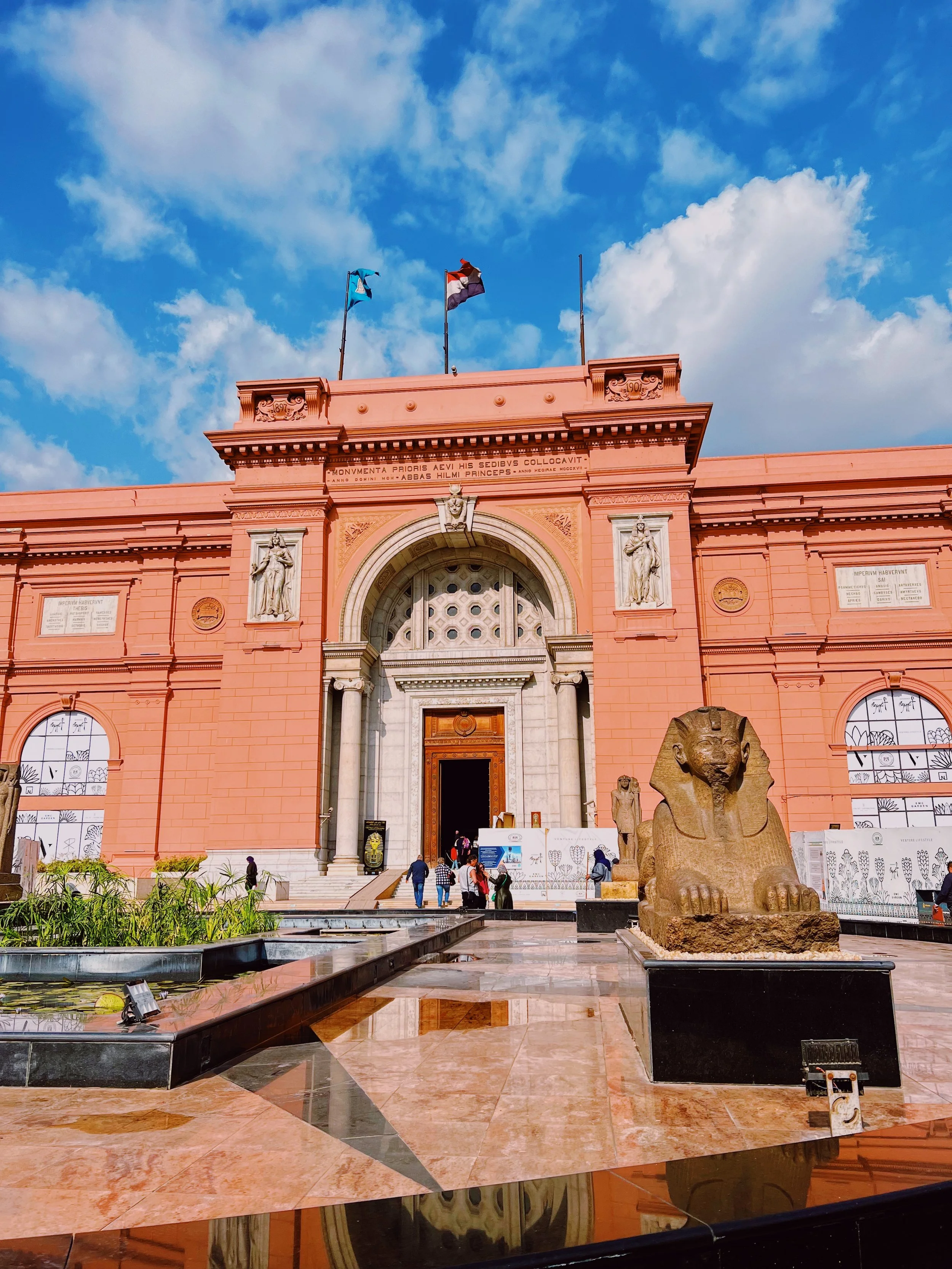
Walking through Egypt, entire local economies appeared organized around symbolic reproduction. Papyrus demonstrations reconstruct ancient techniques for visitors. Perfume stores connect scents to Cleopatra and dynastic mythology. Museums, guides, films, souvenir markets, and tourism systems continue circulating recognizable Egyptian symbols through new formats. Ancient Egypt no longer exists politically, yet its symbolic infrastructure remains remarkably active.
Civilizations generally disappear through conquest, collapse, or assimilation. Egypt managed something stranger. Its narratives outlived the civilization itself.
No figure illustrates this dynamic more clearly than Cleopatra.
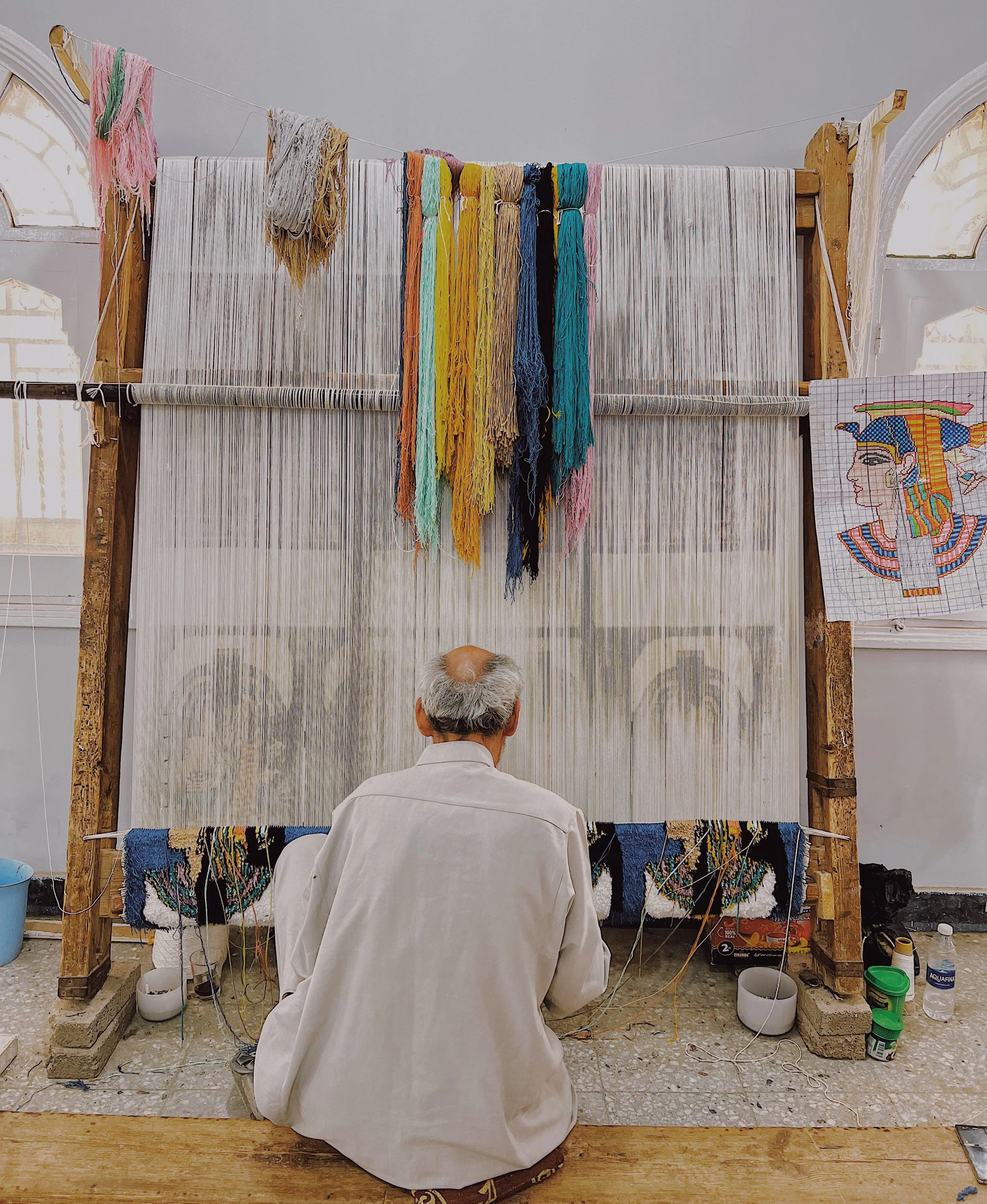
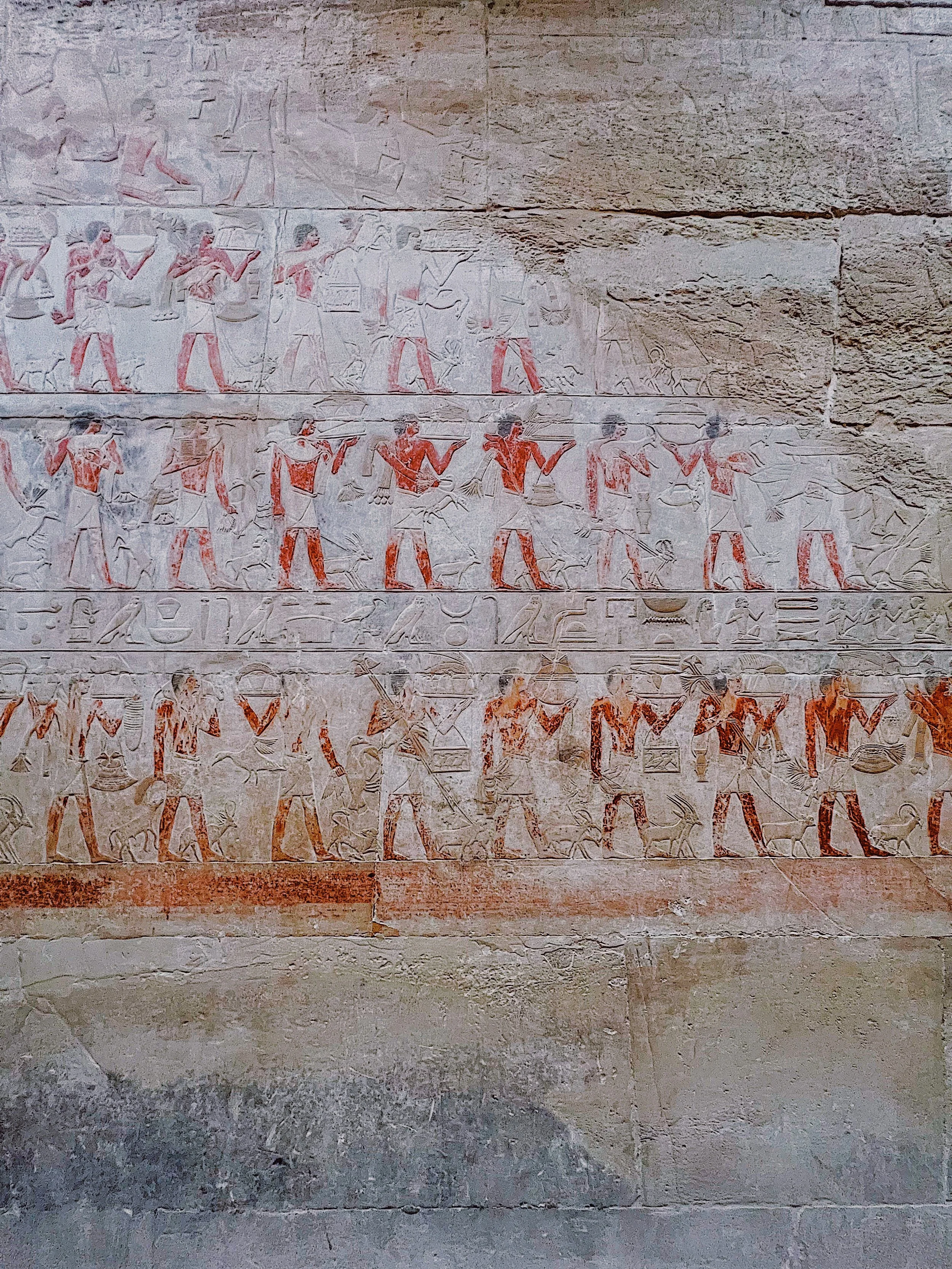
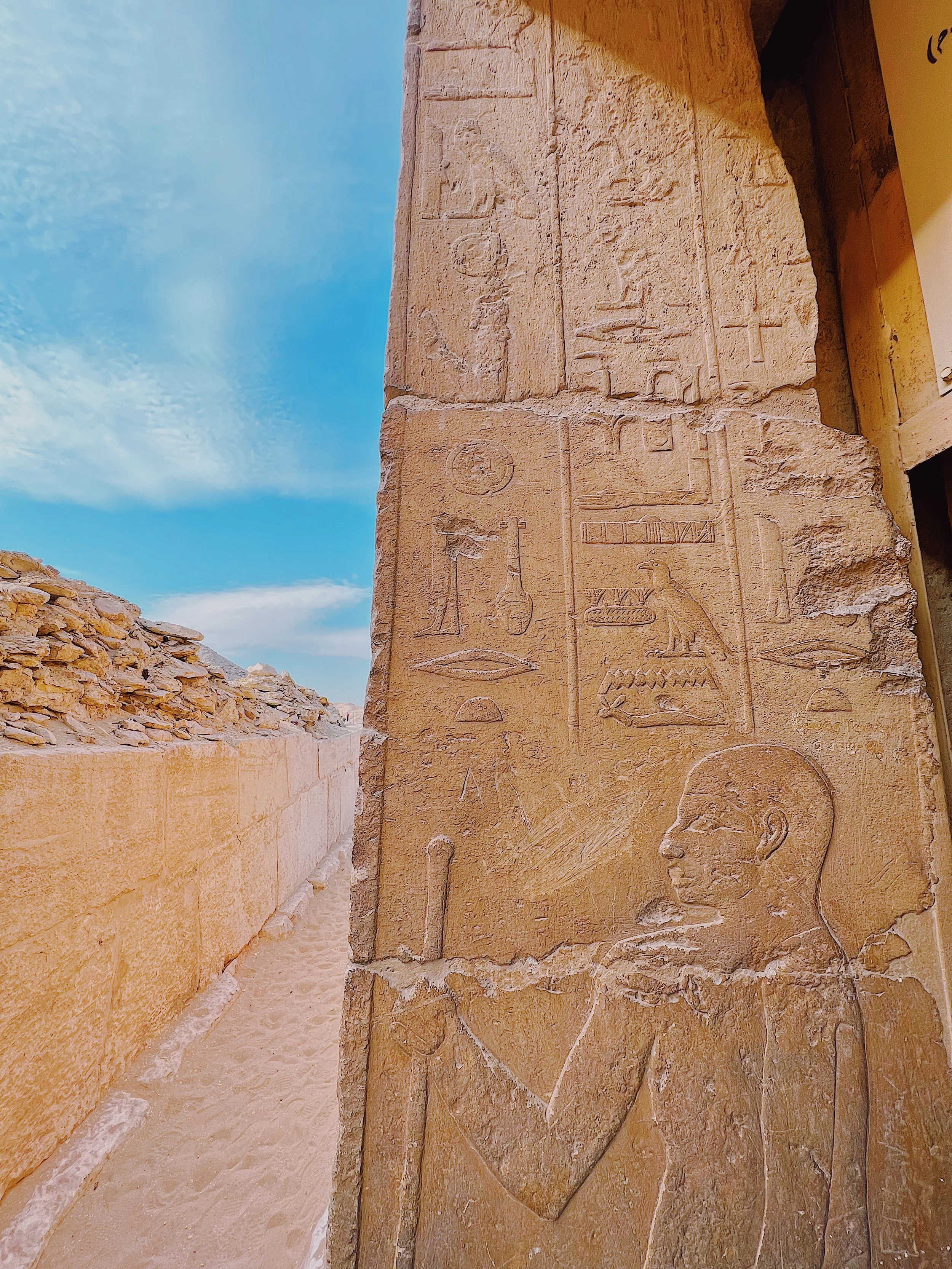
Queen Cleopatra and History's First Personal Brand
Few historical figures occupy a stranger position between documented history and collective imagination than Cleopatra. She appears regularly in film, literature, fashion, beauty culture, internet discourse, and popular history. Her image remains instantly recognizable despite widespread disagreement regarding who she actually was.
History frequently compresses Cleopatra into a narrow archetype: beauty, seduction, scandal.
Historical accounts suggest a considerably more complex figure. Cleopatra spoke multiple languages, operated within one of history's most volatile political environments, managed strategic alliances, and understood the symbolic importance of public identity. She inherited instability and governed through diplomacy, political intelligence, and perception management.
Roman writers had political incentives to portray Cleopatra as dangerous. Later retellings amplified those interpretations. Literature transformed her into romance. Hollywood transformed her into spectacle. Every generation inherited Cleopatra and revised her according to its own cultural priorities.







The result resembles something familiar.
Modern celebrity culture increasingly functions through similar mechanics. Public figures now operate as narrative ecosystems. Audiences decode symbolism, track relationships, assign significance to minor details, and collectively construct meaning around incomplete information. The public figure becomes only part of the story. The surrounding mythology becomes equally important.
Lore behaves differently from biography. Biography attempts to stabilize interpretation. Lore remains expandable. It invites participation and tolerates contradiction.
Technology accelerated this process.
It did not invent the behavior.
The internet often frames fandoms, rabbit holes, and conspiracy communities as distinctly modern phenomena. Egypt suggests a less flattering possibility: humans have repeatedly shown an appetite for symbolic worlds larger than immediate reality. Worlds dense with recurring characters, unresolved questions, hidden structures, and enough uncertainty to sustain attention.
Conspiracy TikTok did not create lore culture.
It simply gave one of humanity's oldest instincts a faster distribution system.
