In Search of the Simple Life
Puerto Escondido and the philosophy of surf culture
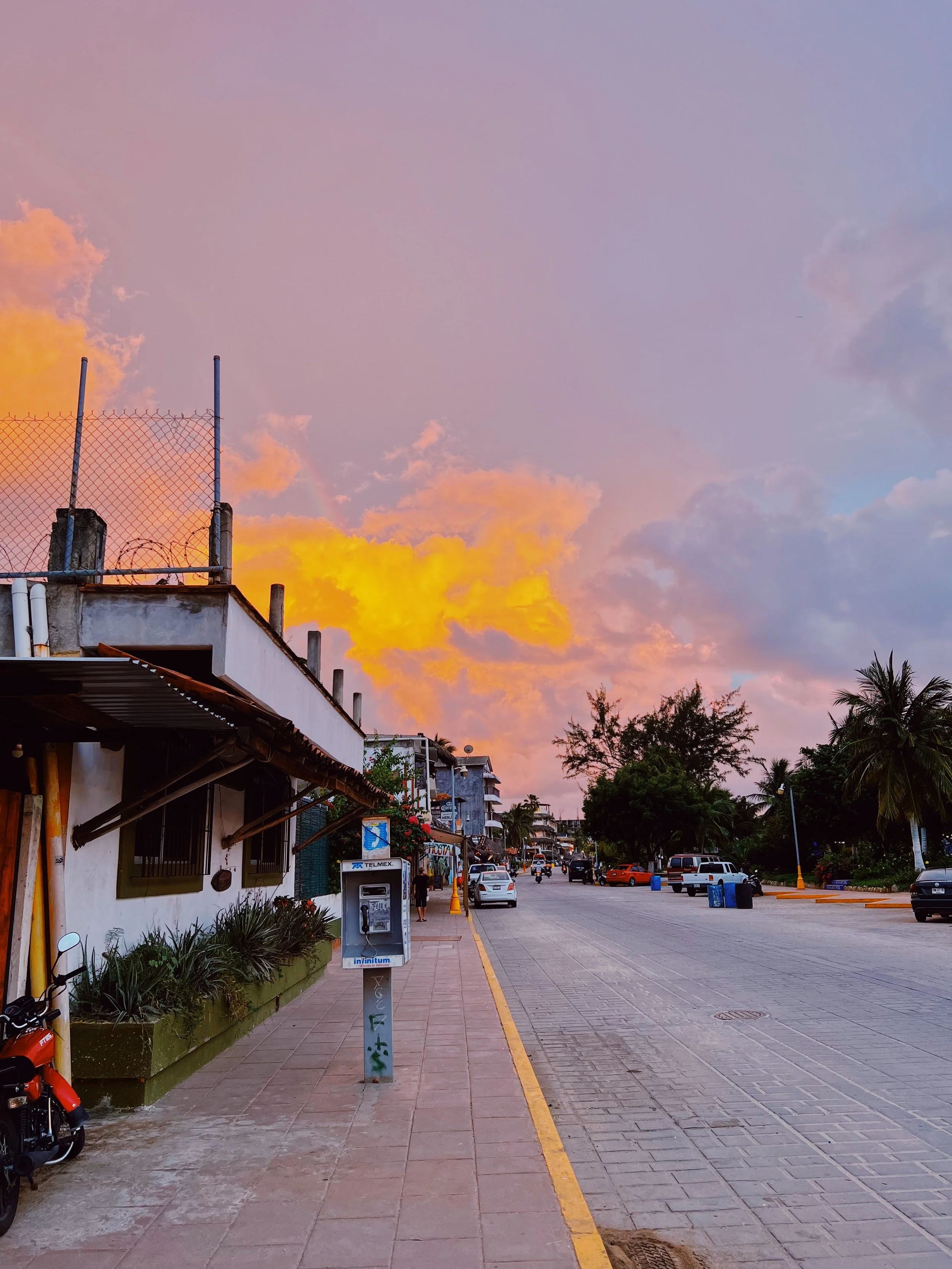
Why do people repeatedly leave structured lives in search of simplicity, only to become deeply attached to another system of rituals, symbols, and routines once they arrive?
Puerto Escondido increasingly functions as a destination for a very specific cultural fantasy. Not vacation exactly. Escape. A growing number of places now occupy this role: Bali, Tulum, Byron Bay, Lisbon for a period, pockets of Costa Rica. They emerge as locations where people imagine an alternative relationship with life itself.
The language surrounding these places is remarkably consistent. People are "slowing down." "Taking a break." "Resetting." "Staying for a month." Rarely are they framed as destinations alone. More often they are presented as exits from highly optimized lives.
Contemporary life increasingly rewards structure. Calendars fill. Work expands beyond offices. Productivity becomes personal identity. Time itself begins to feel managed and measured.
Puerto enters as a counterproposal.
Anthropologist Victor Turner described liminal spaces as environments existing between identities and social structures. Historically, pilgrimages and rites of passage temporarily suspended ordinary life and allowed people to step outside established systems.
Puerto increasingly resembles a contemporary version of this condition.
People arrive searching for distance from one way of living and proximity to another.
The interesting contradiction is that communities built around escape rarely remain unstructured.
They simply reorganize around different principles.
The Culture Built Around Conditions
Surf culture sits directly in the center of this process because surfing long ago stopped functioning solely as a sport.
Activities occasionally evolve into complete social ecosystems. Anthropologists studying subcultures have repeatedly observed that communities organize around far more than behavior itself. They create rituals, aesthetics, symbols, language, hierarchies, and shared rhythms that distinguish insiders from outsiders.
Surf culture developed all of them.
The surfing itself occupies only a portion of the identity. Around it emerged architecture, coffee culture, photography, fashion, music, wellness rituals, travel patterns, and a broader philosophy regarding time.
The real philosophy may be hiding inside the schedule.
Most modern life asks people to impose structure onto environments. Meetings happen at 10:00. Flights leave at 3:15. Calendars determine movement.
Surf culture reverses the relationship.
Tide, swell, wind, and light establish conditions first.
People adapt second.
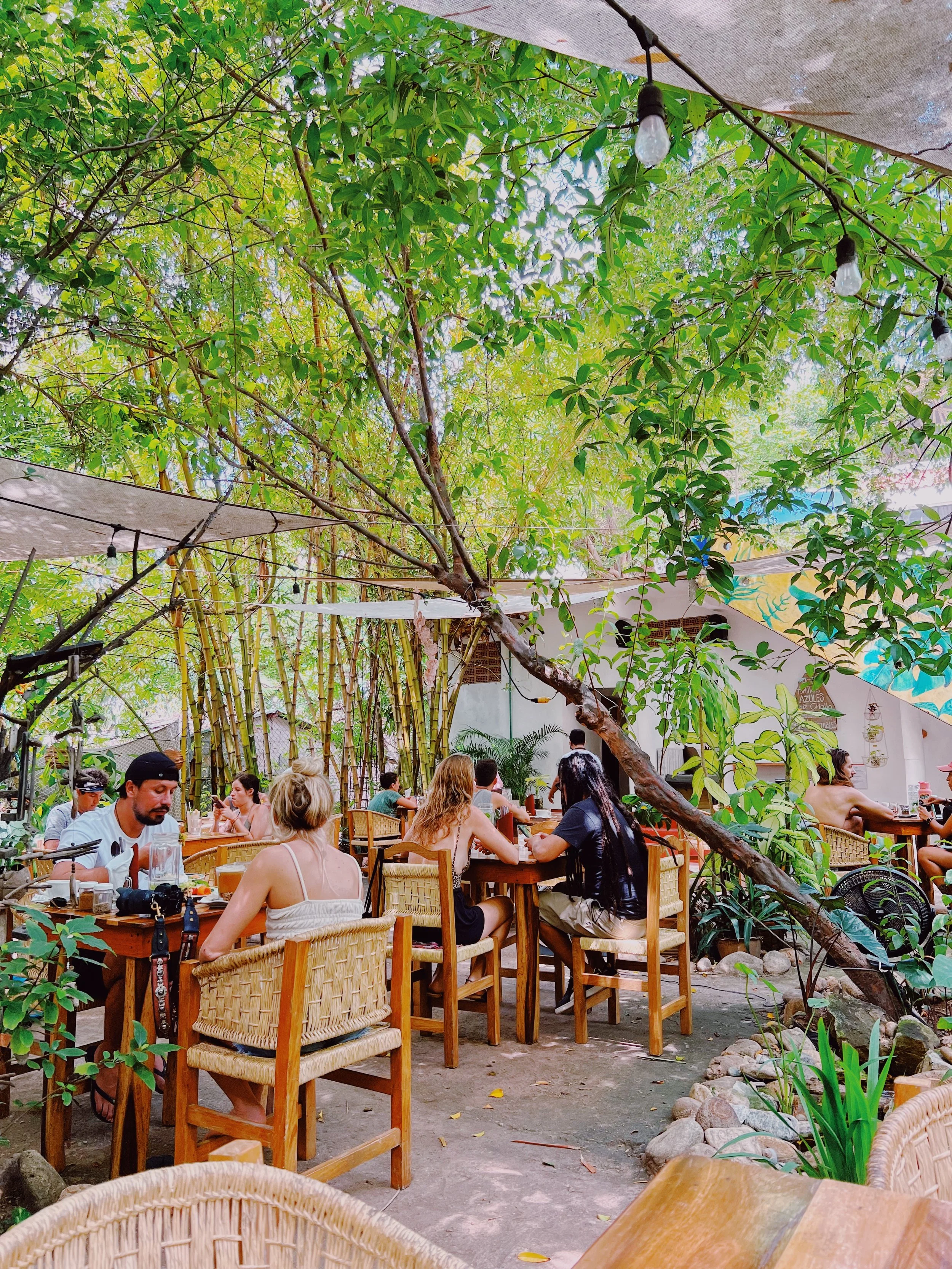
Entire local economies appeared organized around surfing as both activity and identity. Cafés function as informal meeting points and information exchanges. Conversations begin with wind direction and surf reports. Plans remain provisional because environmental conditions retain authority over schedules.
Surf culture is one of the few remaining lifestyles where the day is not scheduled first and experienced second. It is read, interpreted, and adjusted in real time.
The day revolves around the waves.
Not metaphorically.
Literally.
Bare Feet, Open Calendars, and Cultural CapitalSurf culture also created one of contemporary culture's most successful visual identities: effortlessness.
Surf culture also produced one of contemporary culture's most successful aesthetic systems.
The look appears uncomplicated: sun-faded T-shirts, linen, sandals, surfboards mounted outside cafés, oversized button-downs, salt-damaged hair, old trucks, bare feet. The visual language communicates reduced effort and reduced urgency.
The appearance of ease, however, should not be confused with the absence of structure.
Sociologist Pierre Bourdieu argued that taste functions as a form of cultural capital. Preferences rarely exist independently from social meaning. Aesthetic choices communicate values, social fluency, and group membership.
Surf culture contains remarkably precise signals.
Looking like you do not care can become its own form of literacy.
Effortlessness is not the absence of style. It is style that has learned to hide its labor.
Historically, status often depended on visible displays of wealth: luxury goods, expensive materials, and obvious excess.
Increasingly, status appears to communicate something else.
Time flexibility.
Distance from urgency.
The ability to organize a Tuesday around waves rather than meetings.
The luxury is not the beach.
The luxury is the schedule.
Built on Routine, Powered by Unpredictability
The final question may be why Puerto becomes difficult to leave.
Certain places create repeat behavior while others remain one-time experiences.
Behavioral psychologists studying variable reward systems have repeatedly shown that uncertainty strengthens attachment. Casinos rely upon intermittent rewards. Social platforms use similar principles. Systems become compelling when outcomes remain partially unpredictable.
Puerto quietly combines unpredictability with ritual.
There is structure: surf, coffee, beach, dinner, music.
But there is also variation. Waves change. Weather changes. Plans dissolve. People appear unexpectedly. Conversations become friendships.
Too much routine eventually becomes boredom.
Too much chaos becomes stress.
Puerto occupies a strangely effective middle ground: enough ritual to create familiarity and enough unpredictability to maintain curiosity.
People often describe Puerto as addictive.
The explanation may be less mysterious than it first appears.
Puerto offers a version of life organized around conditions rather than clocks. For people accustomed to highly optimized environments, that shift can feel less like a vacation and more like discovering an alternative philosophy hiding inside a surf town.
