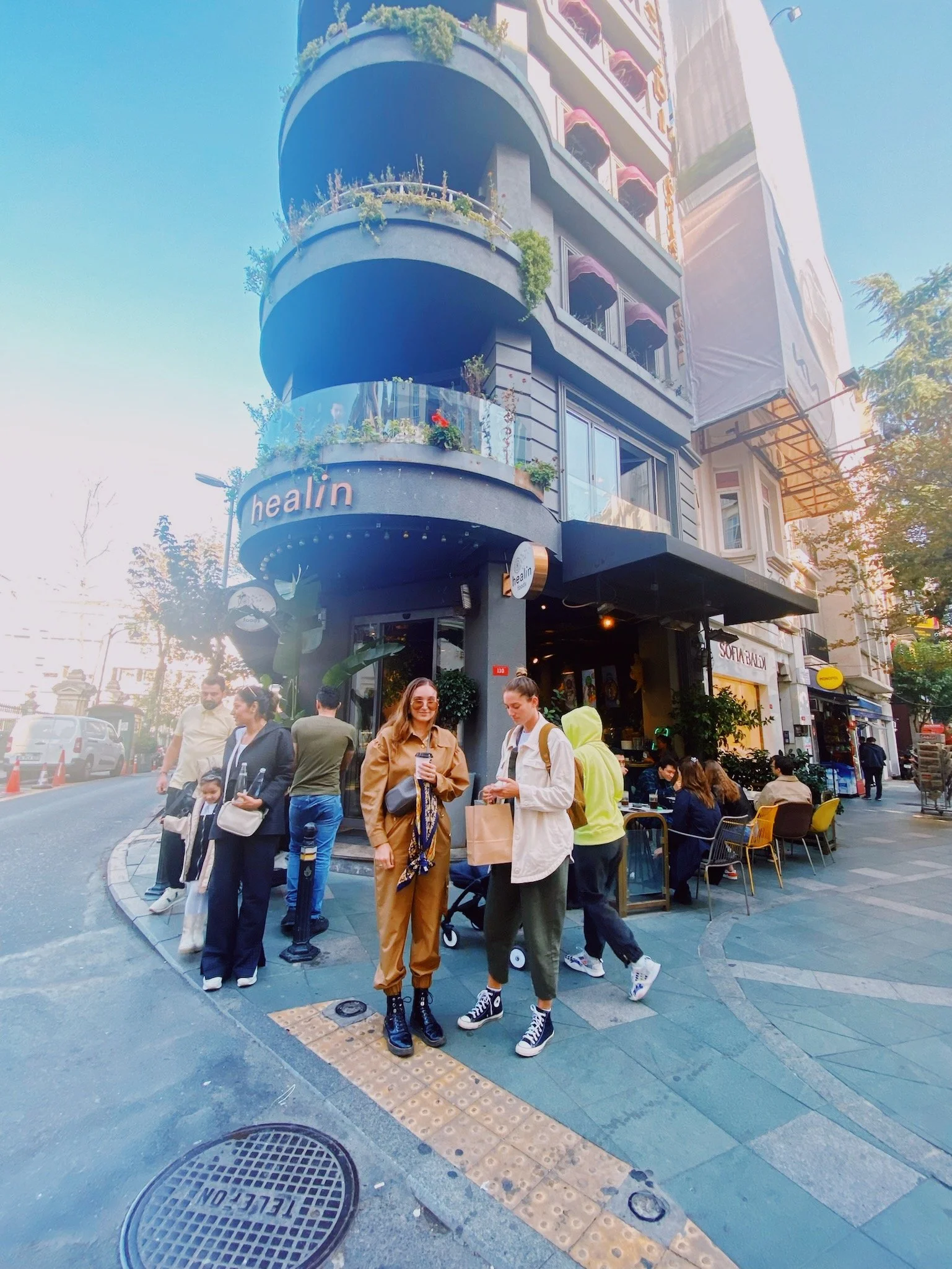
The Beauty of Juxtaposition
A taste of the world in one city.
The modern world has become obsessed with legibility.
People are expected to become understandable at a glance. Brands distill themselves into cleaner identities. Algorithms sort humans into categories with increasing precision. Politics rewards ideological purity. Even cities increasingly feel designed around singular positioning: finance capitals, wellness capitals, luxury capitals, tech capitals, creative capitals.
Everything today wants to become easier to define.
Istanbul feels radical because it refuses definition.
What stayed with me most was not the city’s beauty or scale, but the psychological permission embedded within it. Istanbul does not appear anxious about contradiction. It allows opposing realities to coexist without forcing them into resolution. Religion and nightlife. Chaos and ritual. Commerce and spirituality. Ancient structures and contemporary identity. The city seems entirely comfortable holding multiple truths at once.
And increasingly, that feels rare.
The closest artistic comparison may be chiaroscuro. In Renaissance painting, depth emerged through the tension between light and shadow existing simultaneously within the same frame. Caravaggio understood this instinctively. Remove the darkness and the painting loses dimensionality. Istanbul operates similarly. Its texture comes from juxtaposition remaining visible.
Most modern systems try to eliminate contradiction.
Istanbul composes with it.
Cities Used to Know How to Hold Opposing Truths
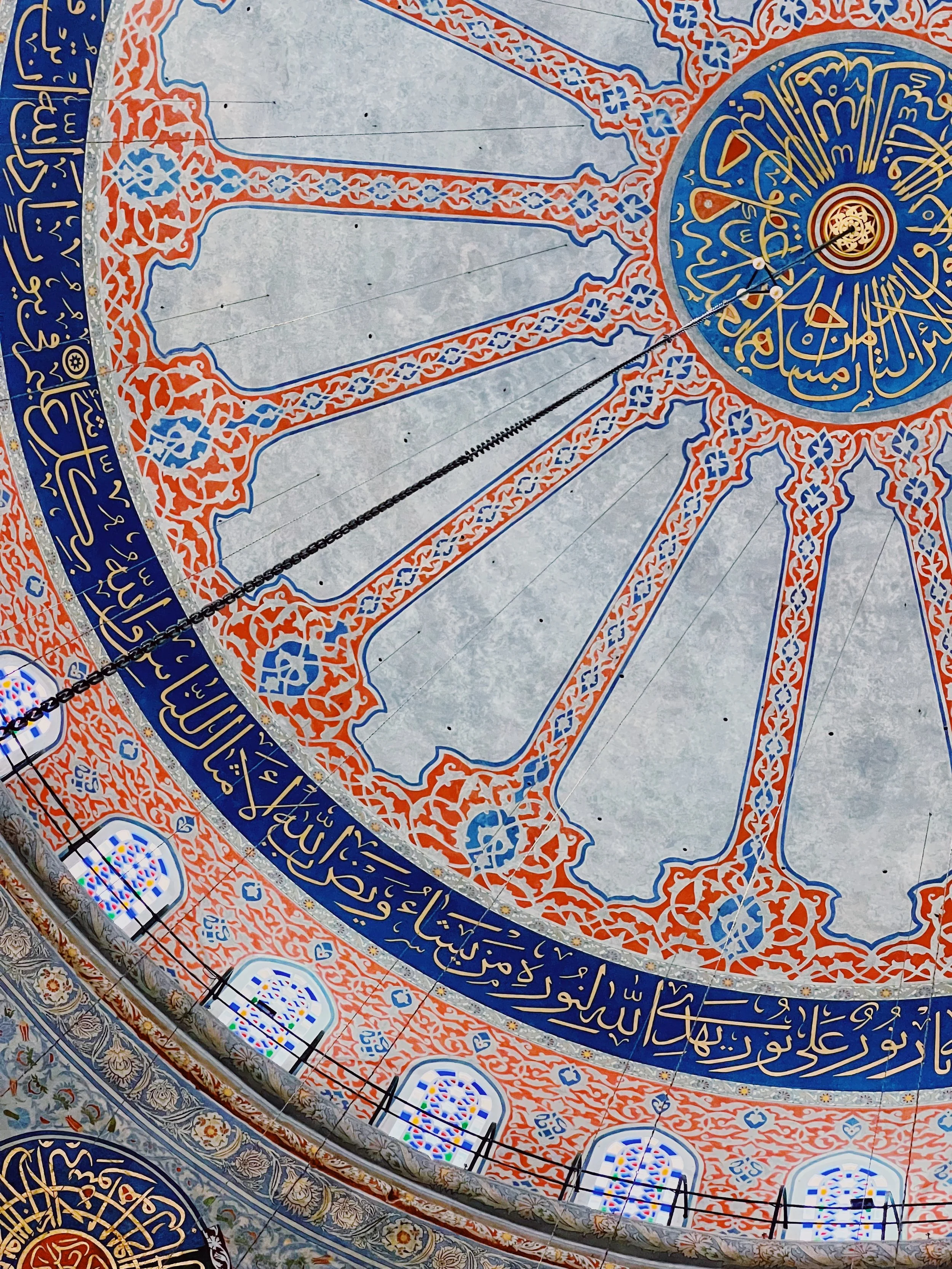
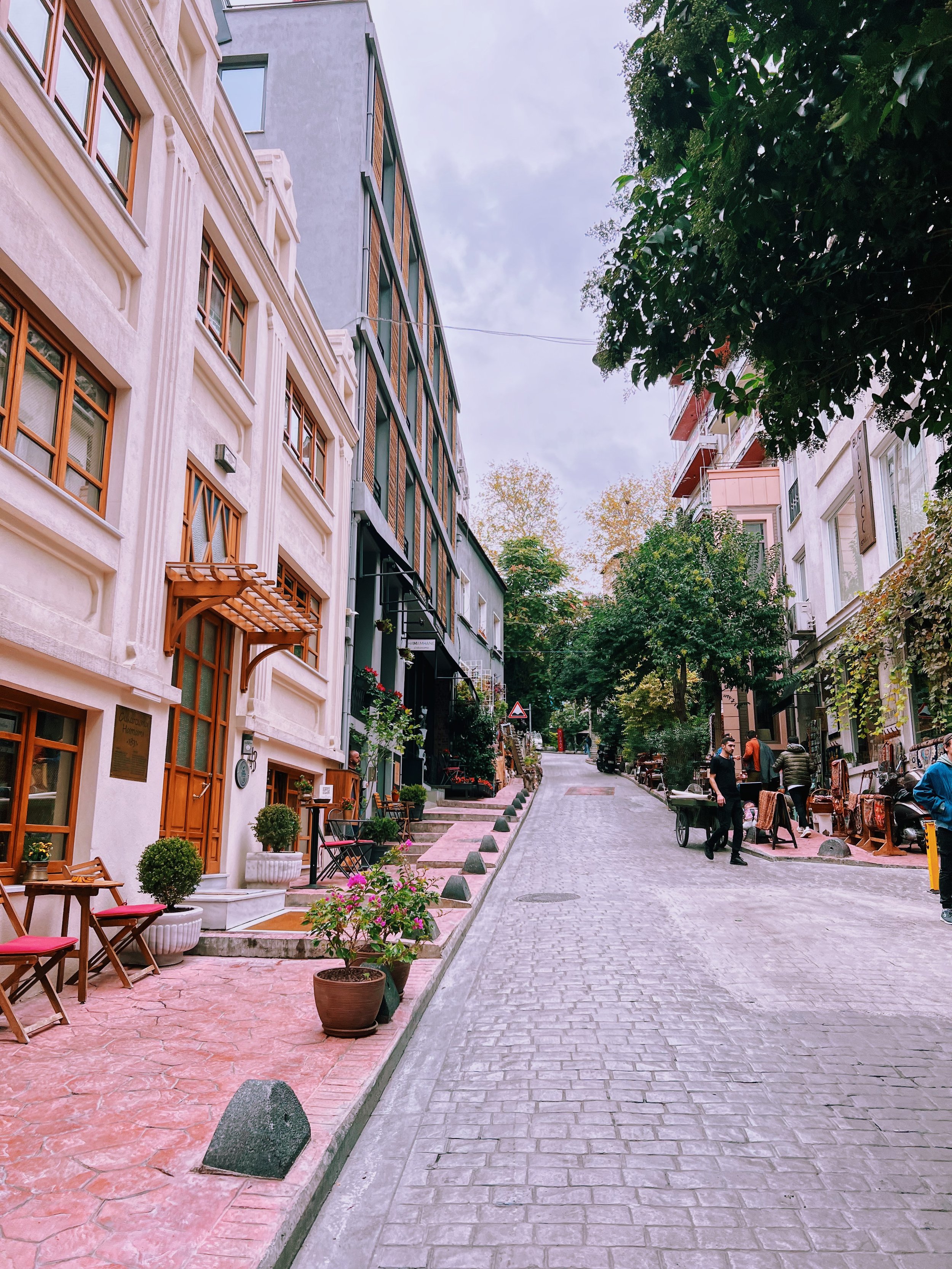
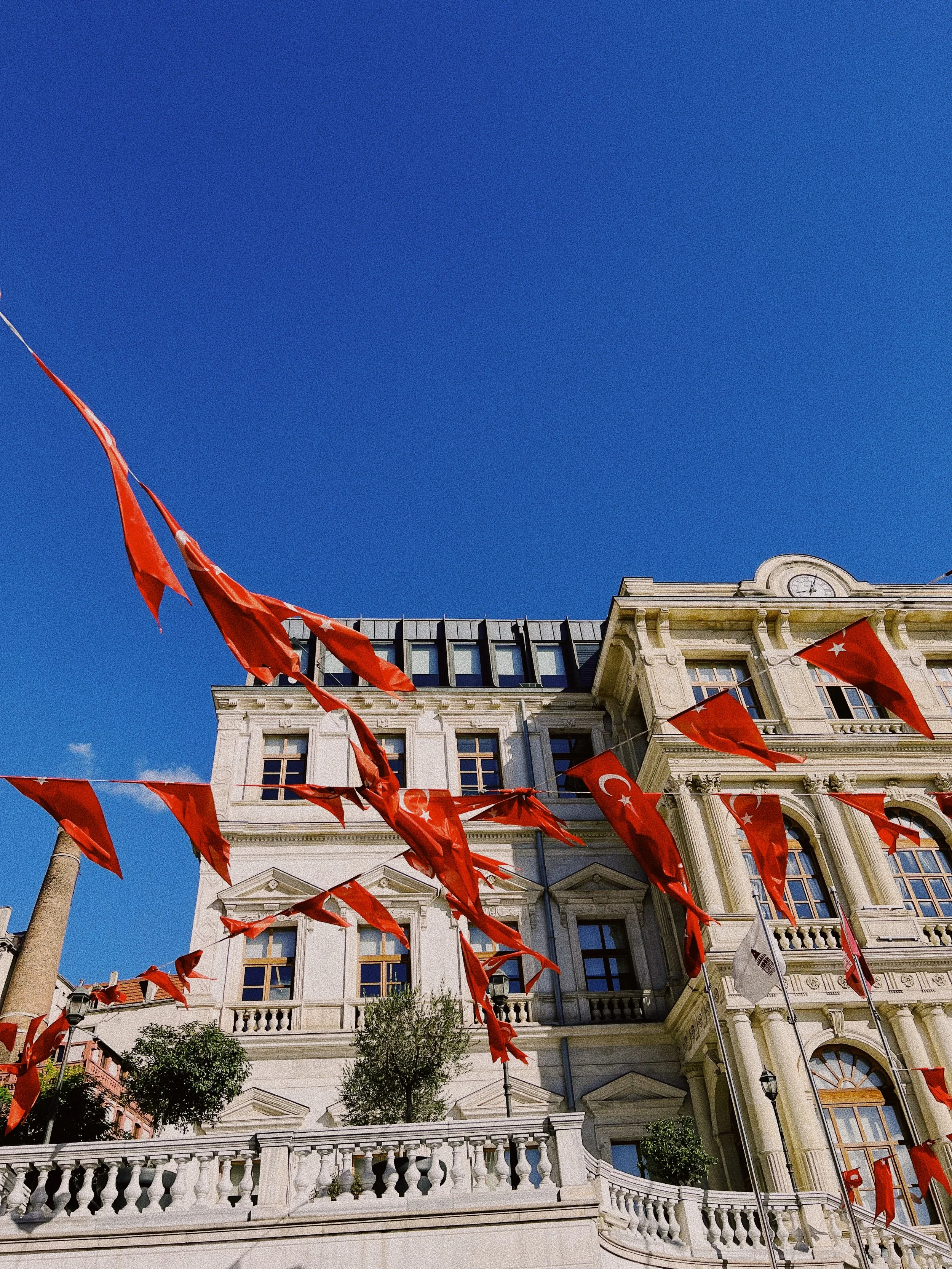
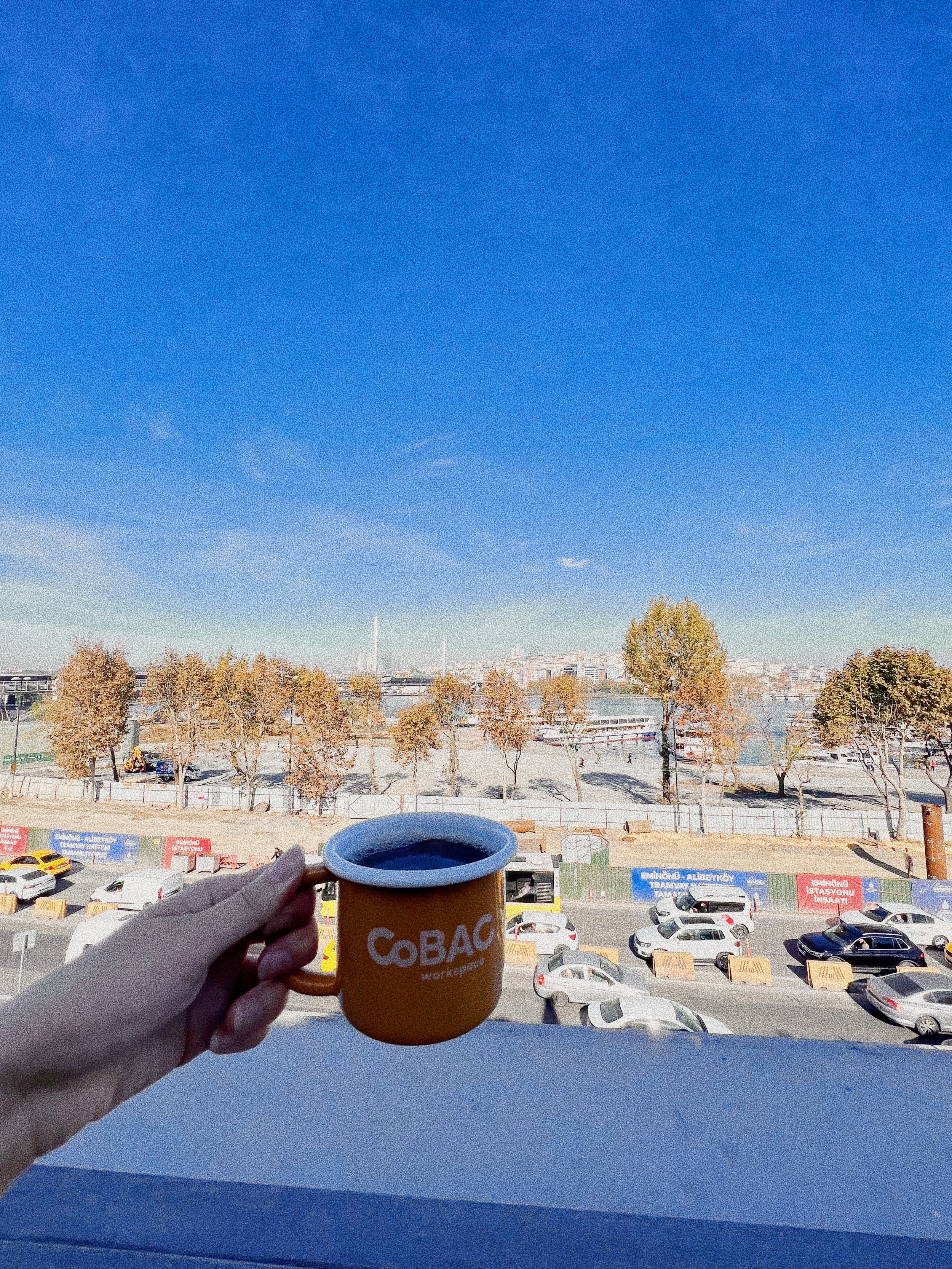
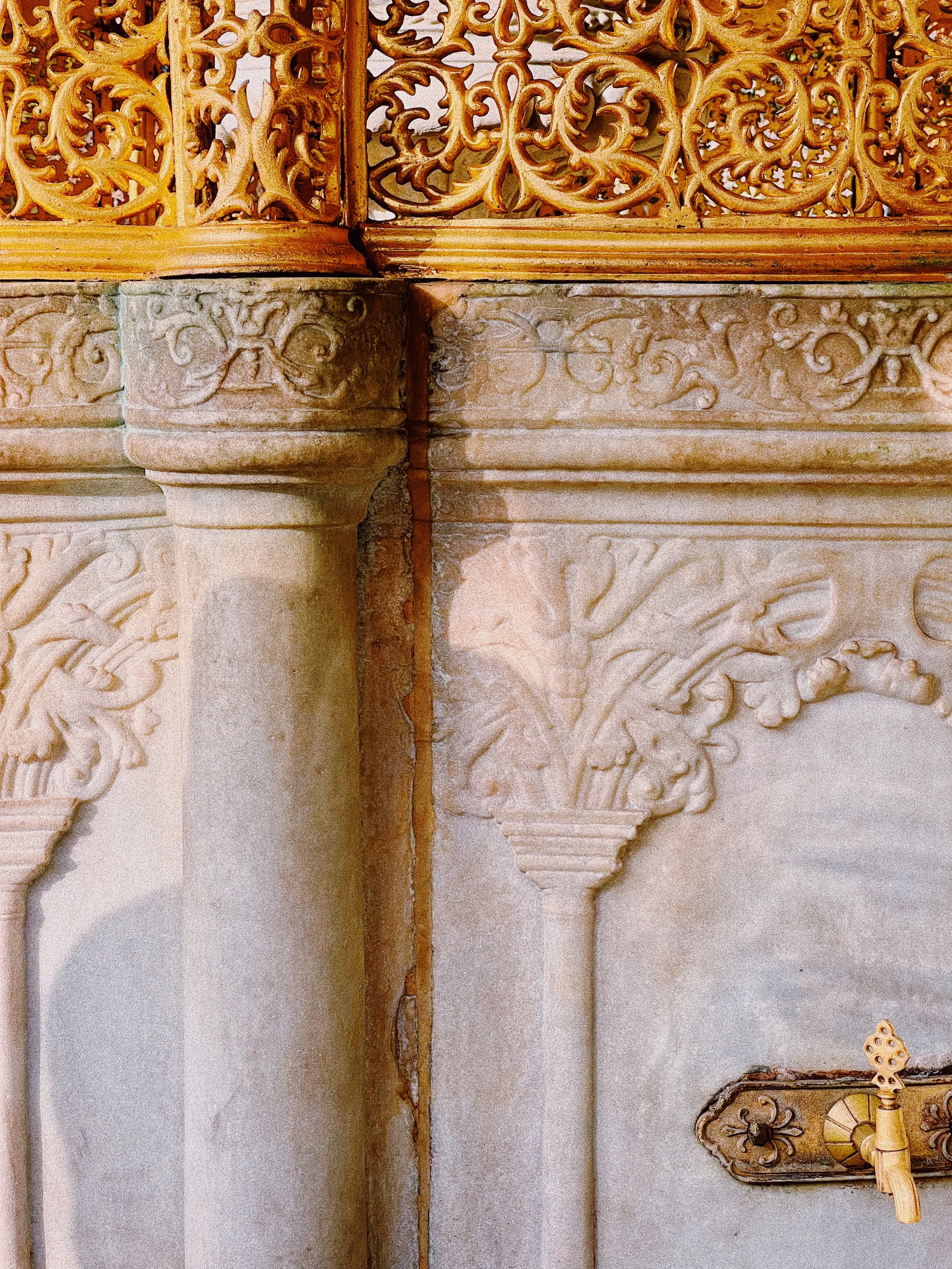
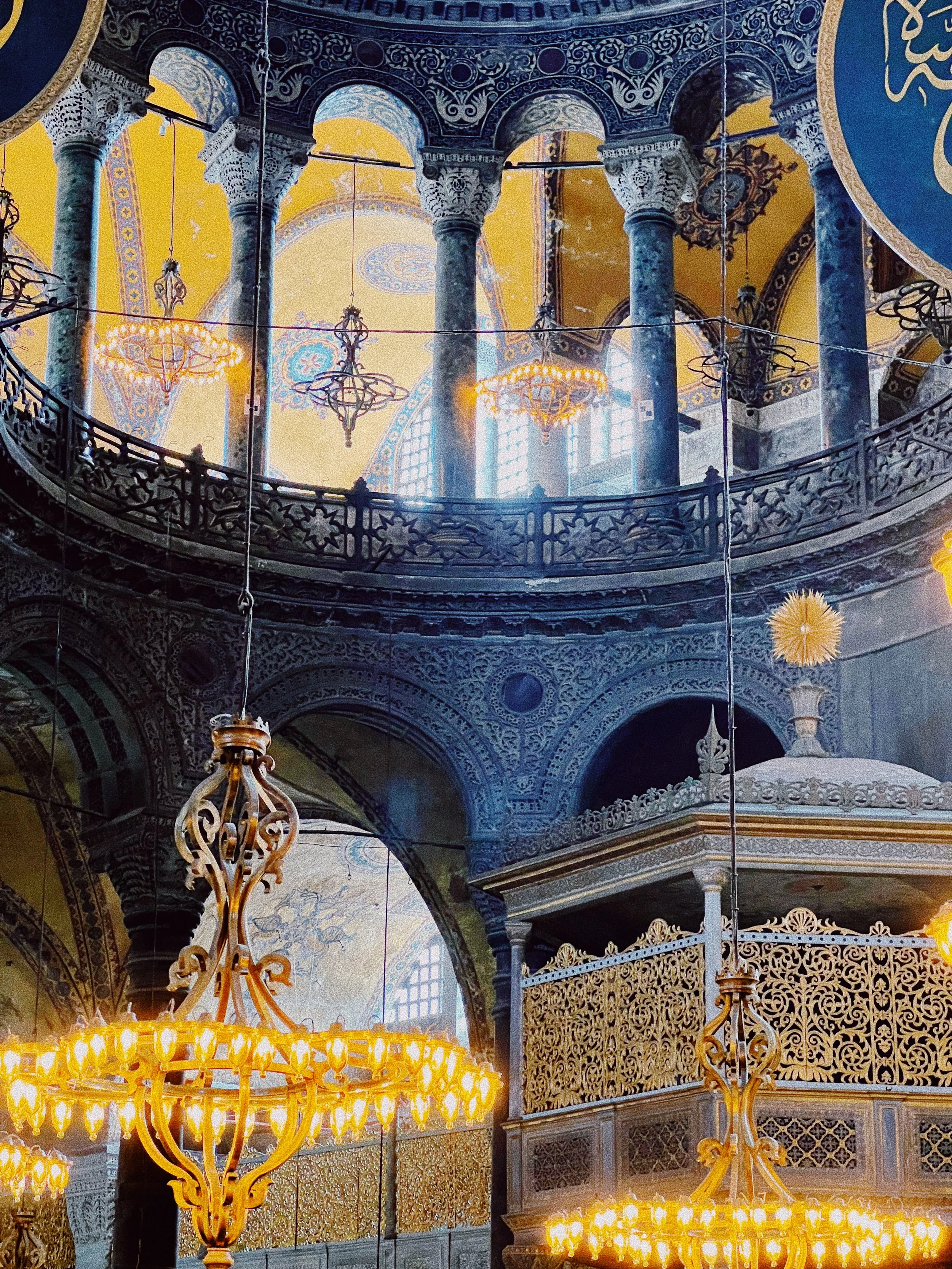
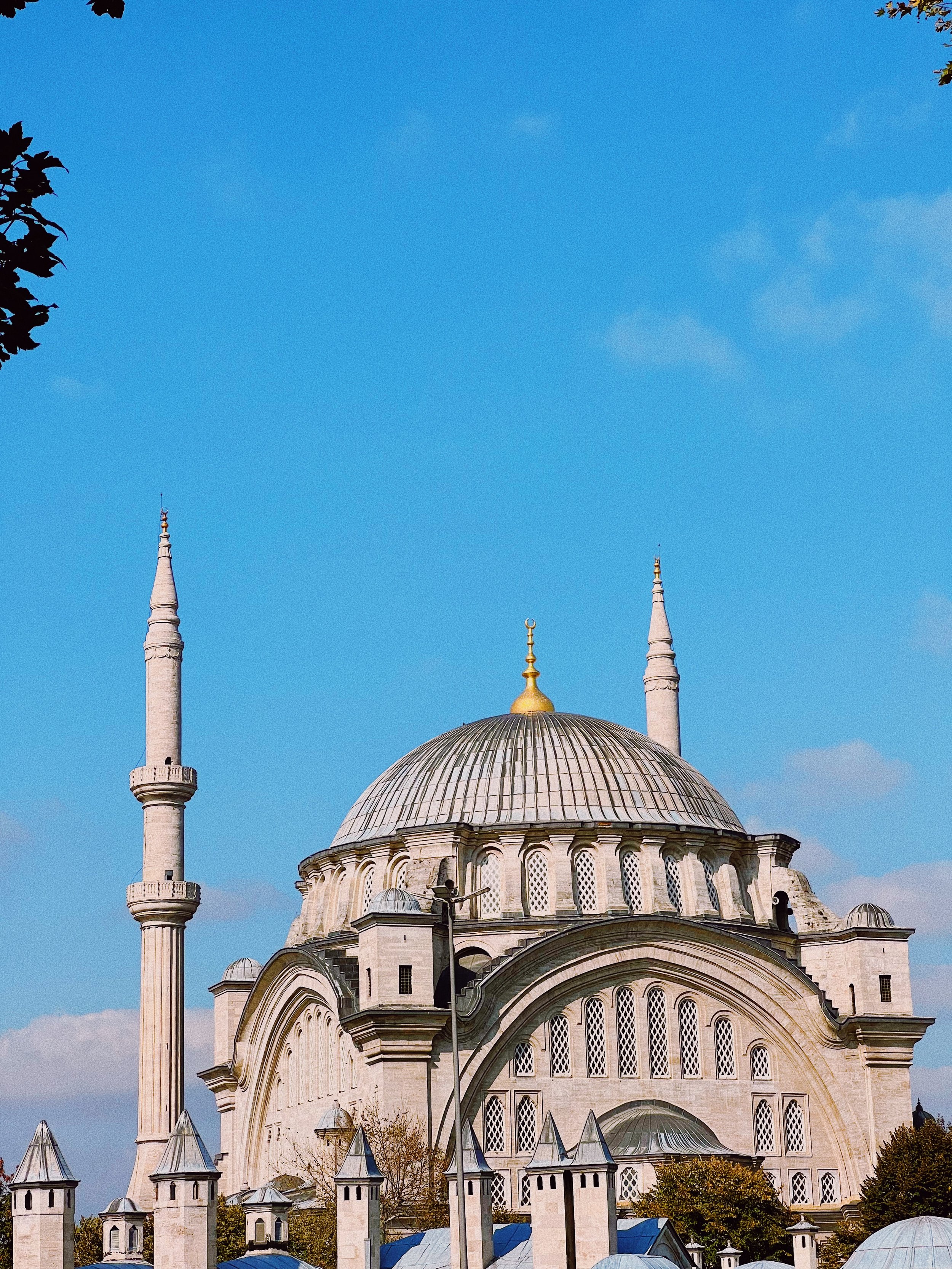
The city itself behaves almost like a collage. Fragments layered over fragments without fully erasing what came before. Byzantine mosaics beneath Ottoman calligraphy. Churches transformed into mosques transformed into museums transformed again. Roman infrastructure underneath contemporary traffic systems. Centuries of trade routes now flowing beside coworking spaces filled with startup founders taking meetings with London, Dubai, and New York.
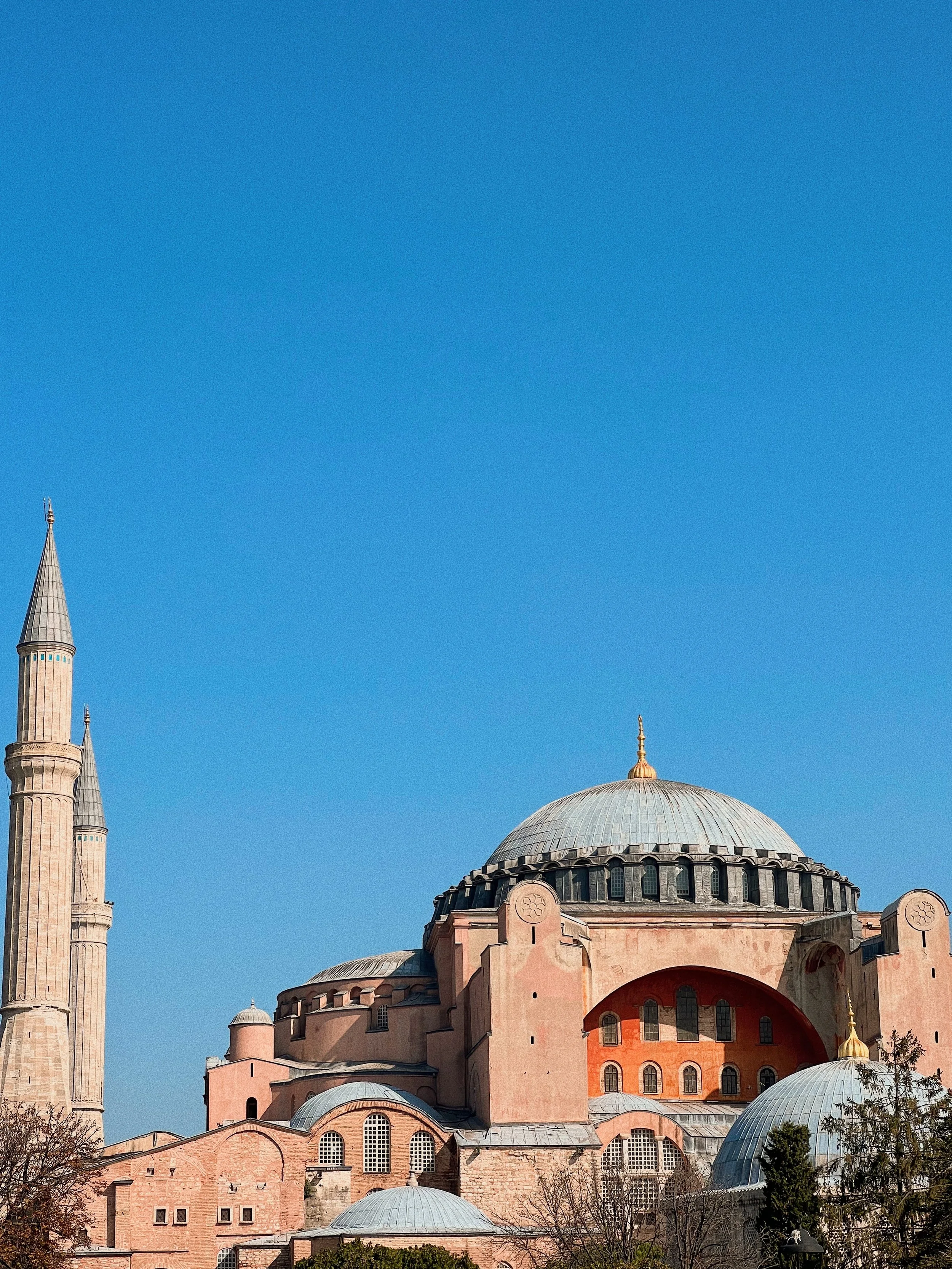
The Hagia Sophia may be one of the clearest physical manifestations of this idea anywhere in the world. Few buildings embody layered civilization so literally. Christian iconography and Islamic symbolism exist inside the same architectural body, not as contradiction to solve, but as accumulated history. The structure feels less like a monument and more like a living archive of overlapping belief systems.
That layering extends far beyond architecture.
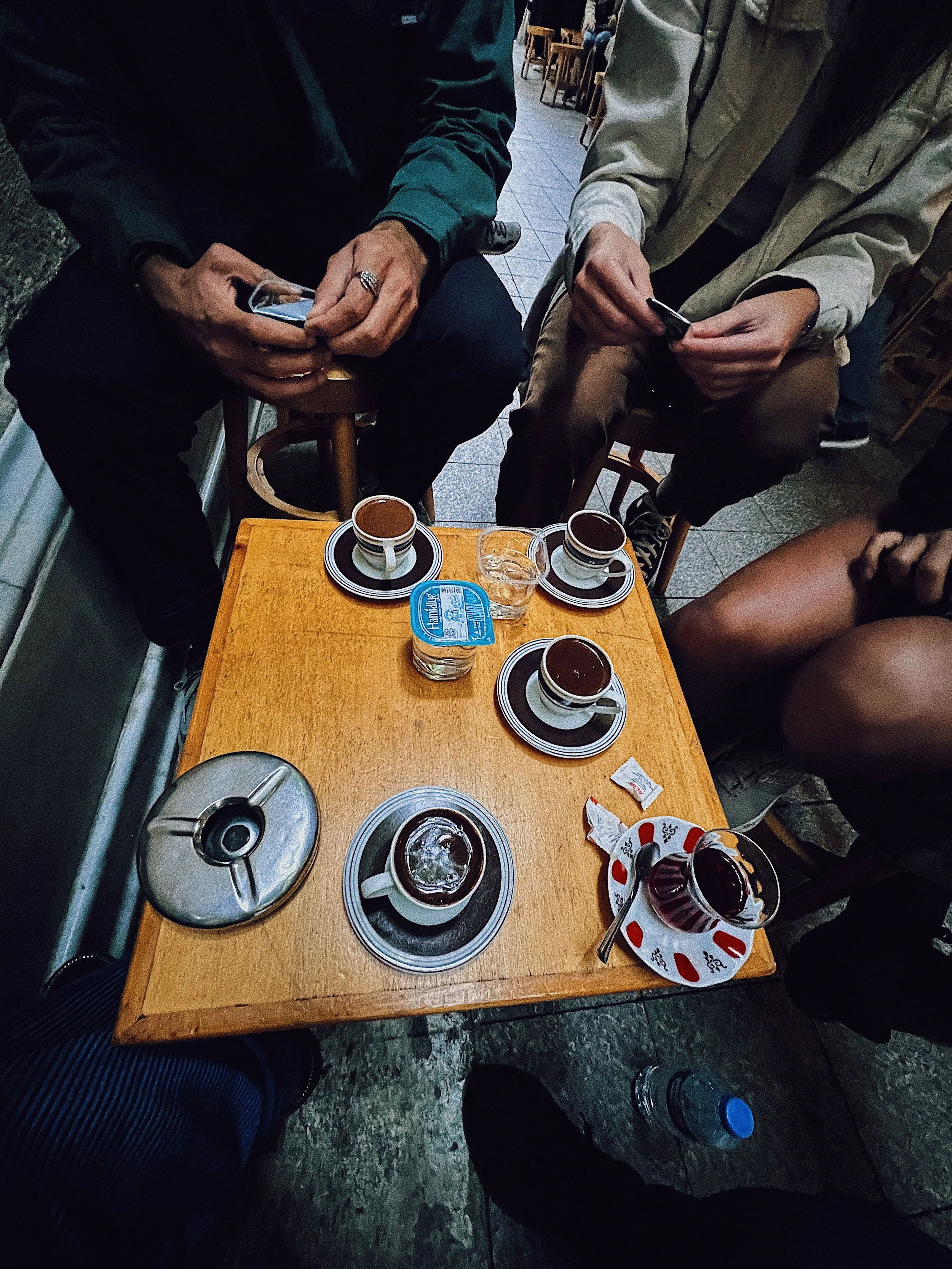
Walking through Istanbul often felt cinematic in a way difficult to articulate directly. Not cinematic in the polished sense. More in the emotional density of Wong Kar-wai films like In the Mood for Love, where intimacy, memory, motion, and urban life blur together into atmosphere. A ferry crossing the Bosphorus at dusk. The sound of prayer echoing over rooftop bars. Men gathered quietly over tea while underground electronic music pulses through Karaköy basements nearby. Istanbul carries that same feeling of multiple emotional frequencies existing simultaneously within one city.
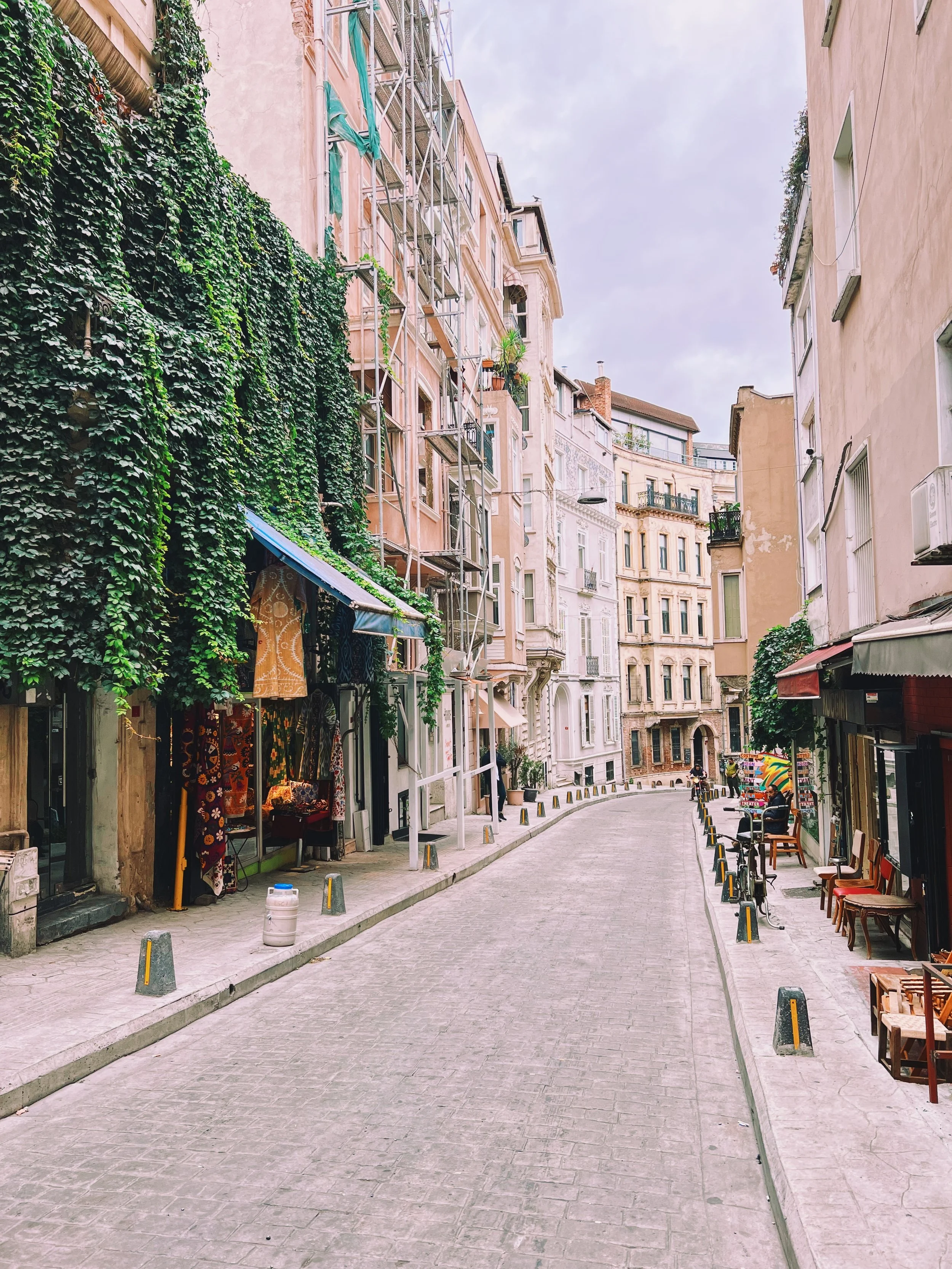
At other moments, the city felt almost Tarkovskian. Slow. Spiritual. Textured. Tarkovsky’s films were obsessed with time, memory, water, ritual, and human interiority. Istanbul operates on that same emotional frequency. Rain hitting ancient stone. Smoke drifting through alleyways near Galata. The strange stillness inside the Basilica Cistern despite millions of people moving above it. The city constantly shifts between movement and contemplation.
Even Istanbul’s soundscape resists singular identity. Traditional Turkish folk music drifts through tea houses while nearby clubs pull from Berlin-style house and techno scenes. The emotionality of arabesque music, with its themes of longing and melancholy, exists beside contemporary electronic sets that stretch until sunrise. It creates a strange continuity between old ritual and modern ritual. Between Sufi whirling and dance floors. Between repetition as spirituality and repetition as nightlife.
The Bosphorus itself functions symbolically this way. People often describe it as a divide between continents, but it behaves more like connective tissue. A moving corridor binding different worlds together while allowing them to remain distinct. Istanbul itself operates similarly. The city does not flatten identities into sameness. It lets differences remain intact while still participating in a larger collective rhythm.
There is an important distinction there.
Modern globalization often creates aesthetic sameness disguised as diversity. Cities begin to mirror one another through the same luxury stores, minimalist cafes, digital nomad workspaces, and algorithmically influenced consumer behavior. Entire neighborhoods across the world now feel curated for Instagram before they feel rooted in place.
Istanbul resists over-curation.
The Death of Singular Identity
The Grand Bazaar alone reveals an entirely different philosophy of commerce than modern retail culture. Western luxury retail increasingly prioritizes frictionless efficiency: remove negotiation, remove unpredictability, remove human variability. Bazaar culture still understands commerce as theater. Conversation matters. Performance matters. Ritual matters. Buying something becomes social choreography rather than transaction optimization.
That distinction feels bigger than shopping.
In many ways, Istanbul exposes how aggressively contemporary culture pressures people toward singularity. Personal branding encourages humans to become highly coherent versions of themselves. Online identity rewards consistency over complexity. Contradiction increasingly gets interpreted as inauthenticity rather than evidence of dimensionality.
Istanbul suggests the opposite.
The city understands that identity has always been layered.
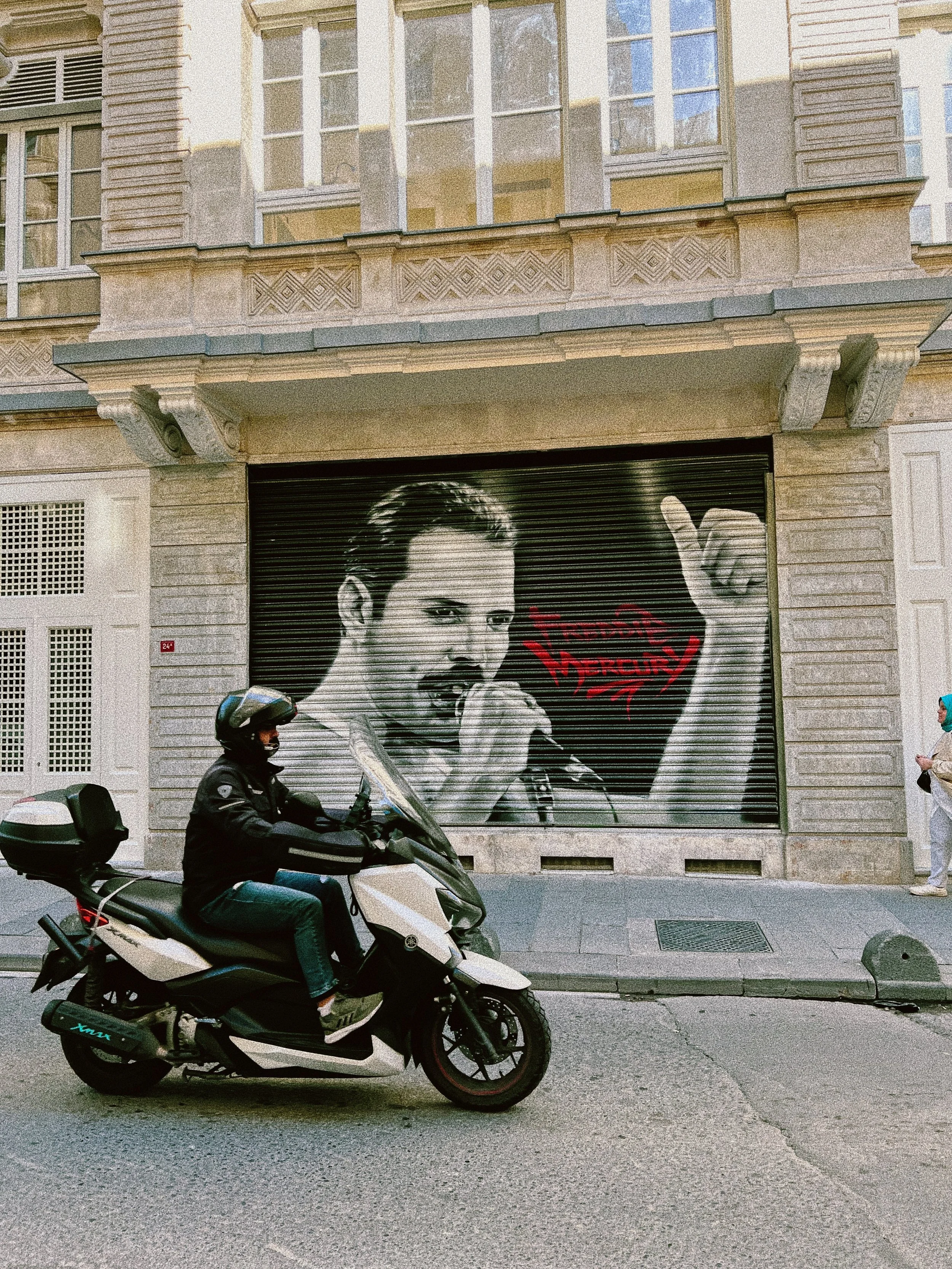
A woman wearing hijab walks beside twenty-somethings heading to clubs in Taksim. Luxury hotels overlook crowded alleyways where old men still gather for hours around tea and conversation. Sufi whirling ceremonies continue inside a city simultaneously connected to global nightlife culture and modern startup economies. Motion and stillness exist together. Tradition and reinvention remain in active dialogue.
Nothing fully consolidates into one narrative.
That may explain why the city feels strangely calming despite its scale and intensity. Istanbul does not demand ideological clarity from the people inside it. It leaves room for ambiguity. And ambiguity, when not treated as weakness, can become a form of peace.
Orhan Pamuk often writes about hüzün, the collective melancholy embedded within Istanbul’s identity. But what fascinated me was not sadness exactly. It was the emotional spaciousness of the city. The sense that identities here remain porous rather than fixed. Pamuk’s Istanbul feels suspended between memory and reinvention, much like the city itself.
Even Istanbul’s nightlife reflects this dynamic. In many global cities, nightlife feels engineered around spectacle and hyper-visibility. Istanbul’s underground music culture often feels more ritualistic than performative. Dark rooms. Layered sound. Repetition. Bodies moving collectively for hours. Less about content creation. More about temporary disappearance into atmosphere. The energy feels surprisingly close to spiritual ritual in structure, which perhaps explains why the coexistence of prayer and nightlife feels less contradictory here than outsiders might expect.
The city understands something modern culture keeps trying to forget:
humans are not singular identities.
We are accumulations.
Contradictions.
Fragments.
Reinventions.
Inherited histories layered beside future ambitions.
Istanbul feels important because it refuses to simplify that reality.
And perhaps that is why the city lingers so heavily in memory after leaving. Not because it offers escape from modern life, but because it quietly exposes how narrow modern life has become. Contemporary culture increasingly asks people to flatten themselves into cleaner narratives for easier consumption.
Istanbul never asks for that.
It allows complexity to remain visible.
And in doing so, it makes complexity feel human again.