Mexico City and the Psychology of Color, Noise, and Ritual
Expect the unexpected.
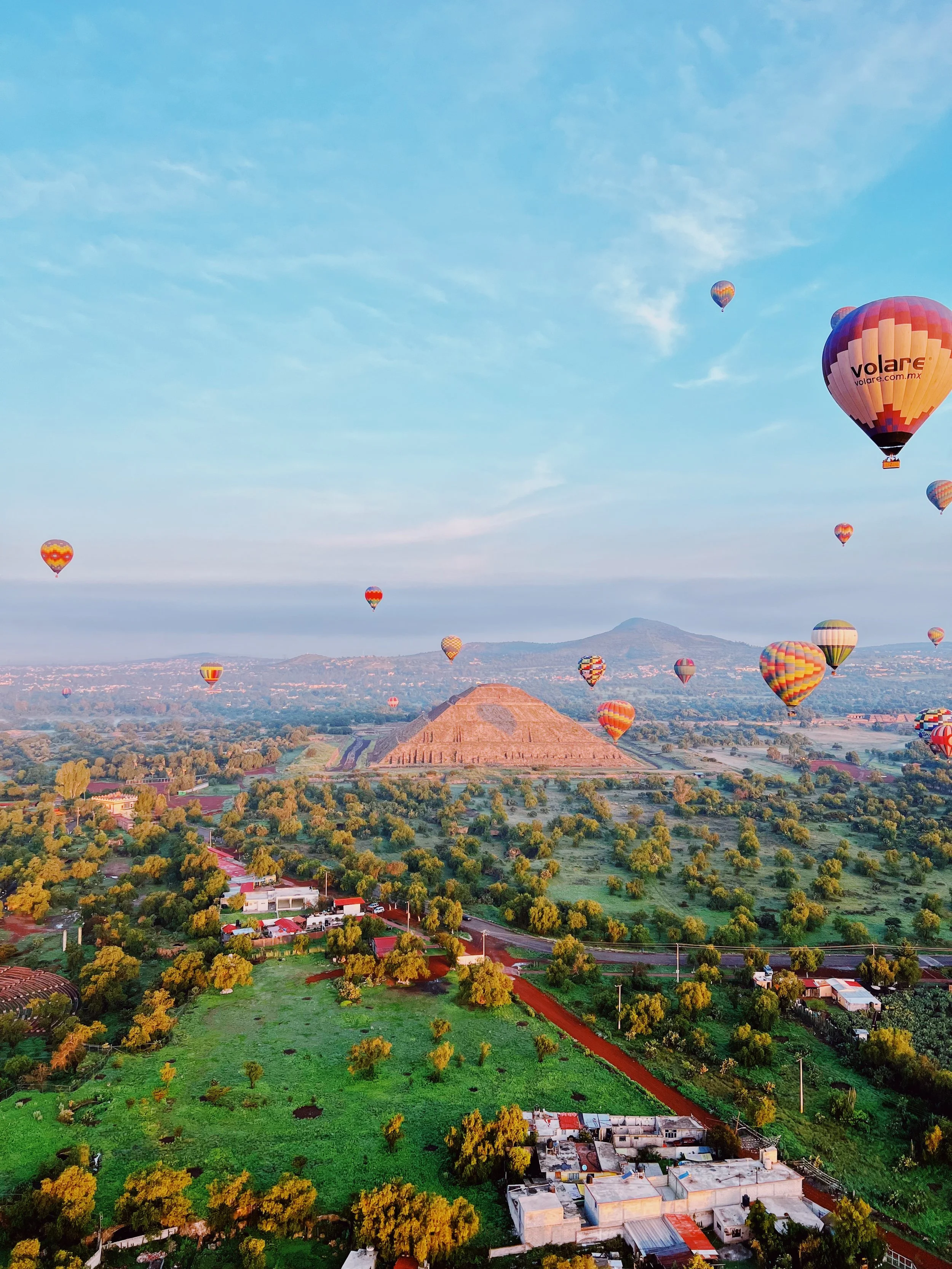
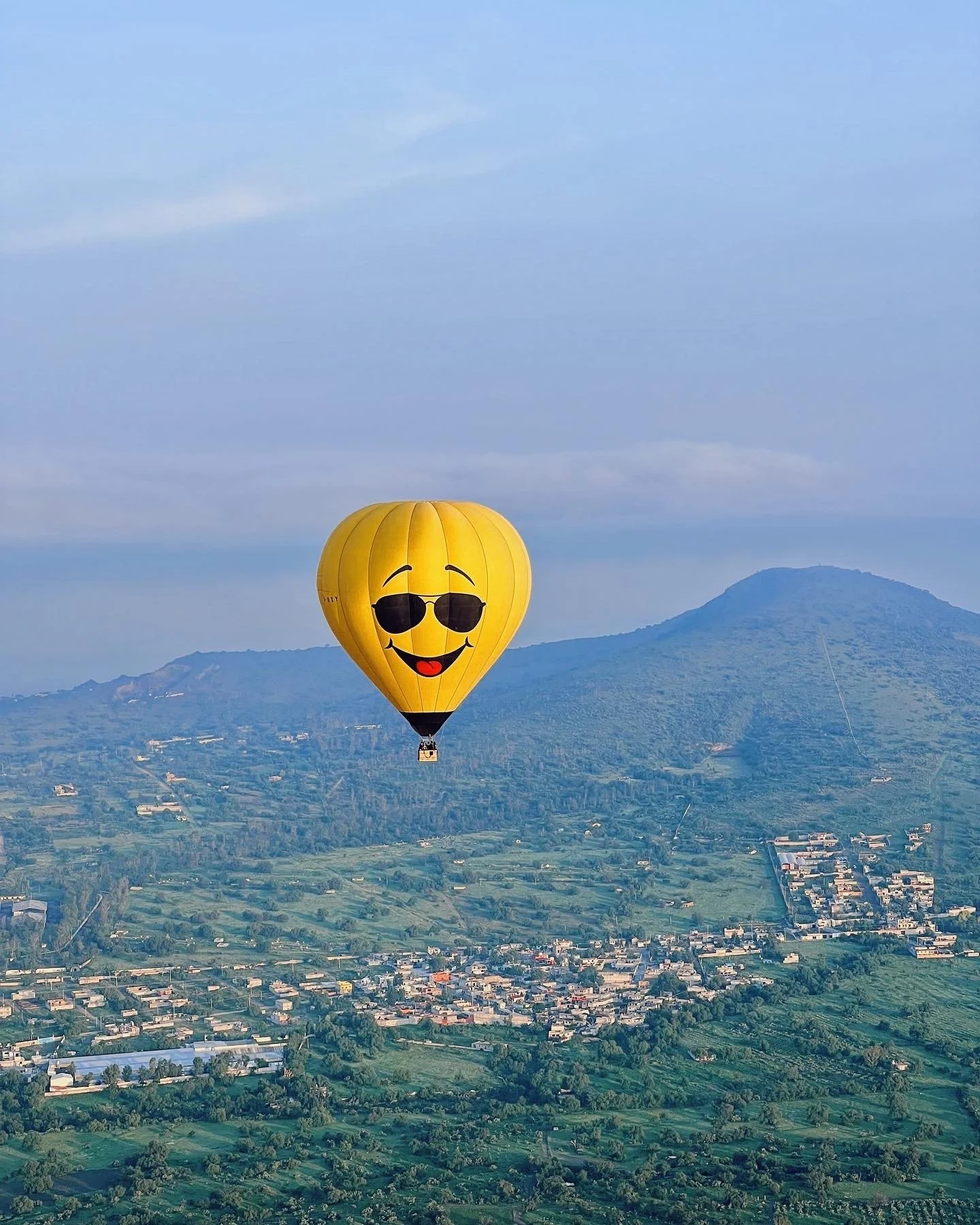
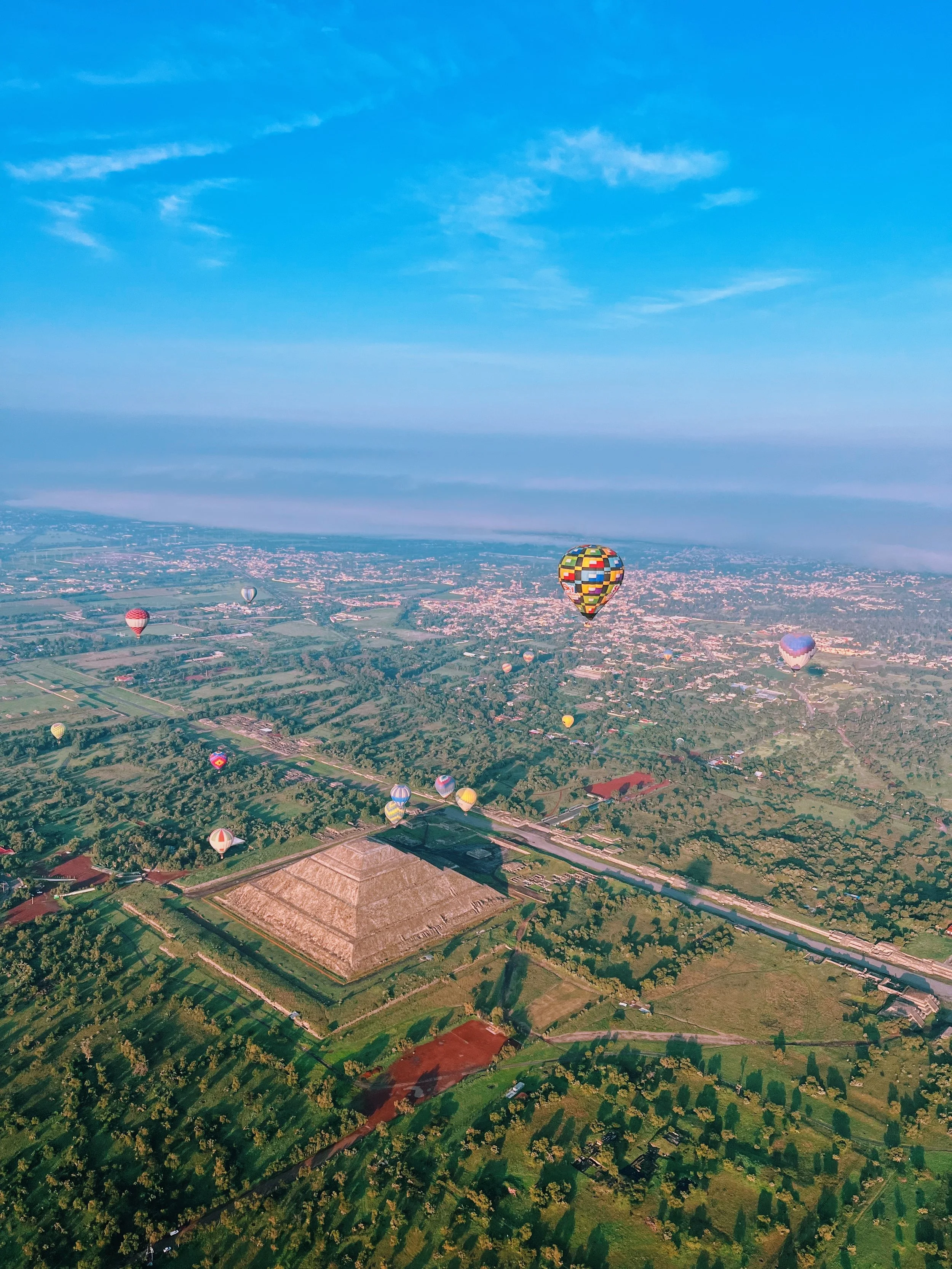
Ballooning Teotihuacan
Some cities make you productive.
Some cities make you desirable.
Some cities make you feel important.
Mexico City makes you feel awake.
Not awake in the motivational sense. Awake in the cellular sense. As though your nervous system suddenly remembers it was designed for something more textured than efficiency.
What struck me most about CDMX was not the scale, although the scale is overwhelming. Not the food, although the food borders on transcendent. Not even the history, despite the fact that the city literally rests on top of another civilization.
It was the density of human presence.
The city feels profoundly inhabited.
Not optimized. Not sterilized. Not flattened into a clean global aesthetic where every neighborhood begins resembling an algorithmically generated version of itself. Mexico City still feels emotionally authored by the people living inside it.
You hear it before you intellectually process it.
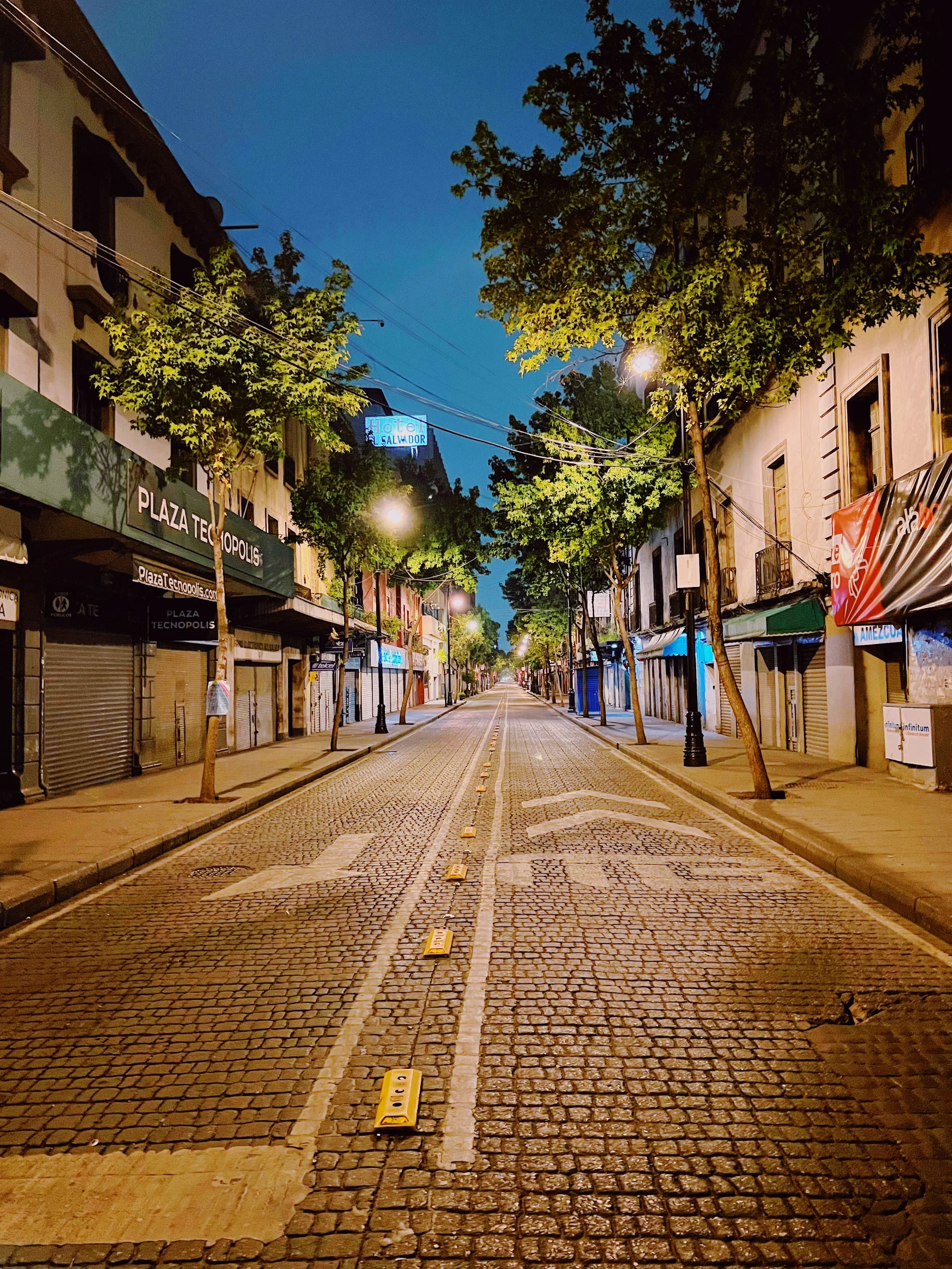
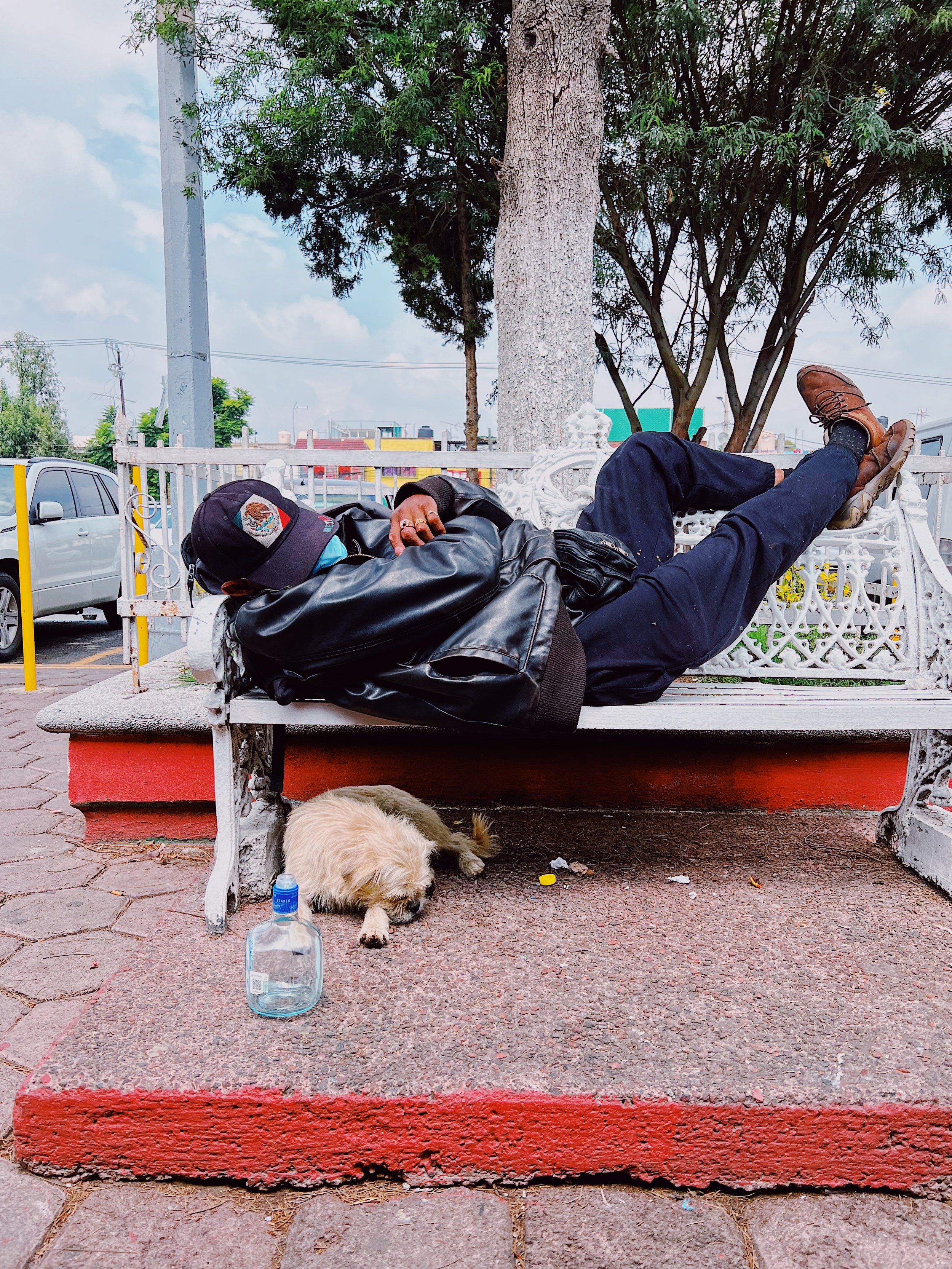
Accordion music drifting through traffic. Vendors announcing themselves through distorted speakers. Entire streets operating as social ecosystems late into the night. The strange poetry of hearing a tiny recorded child’s voice echo through neighborhoods selling mattresses from the back of a moving truck. Music leaking from open windows. Conversations stretching across hours instead of appointments.
In many American cities, public life has become increasingly transactional. People move through space with purpose but rarely with permeability. Mexico City still allows for interruption.
And interruption is where culture lives.
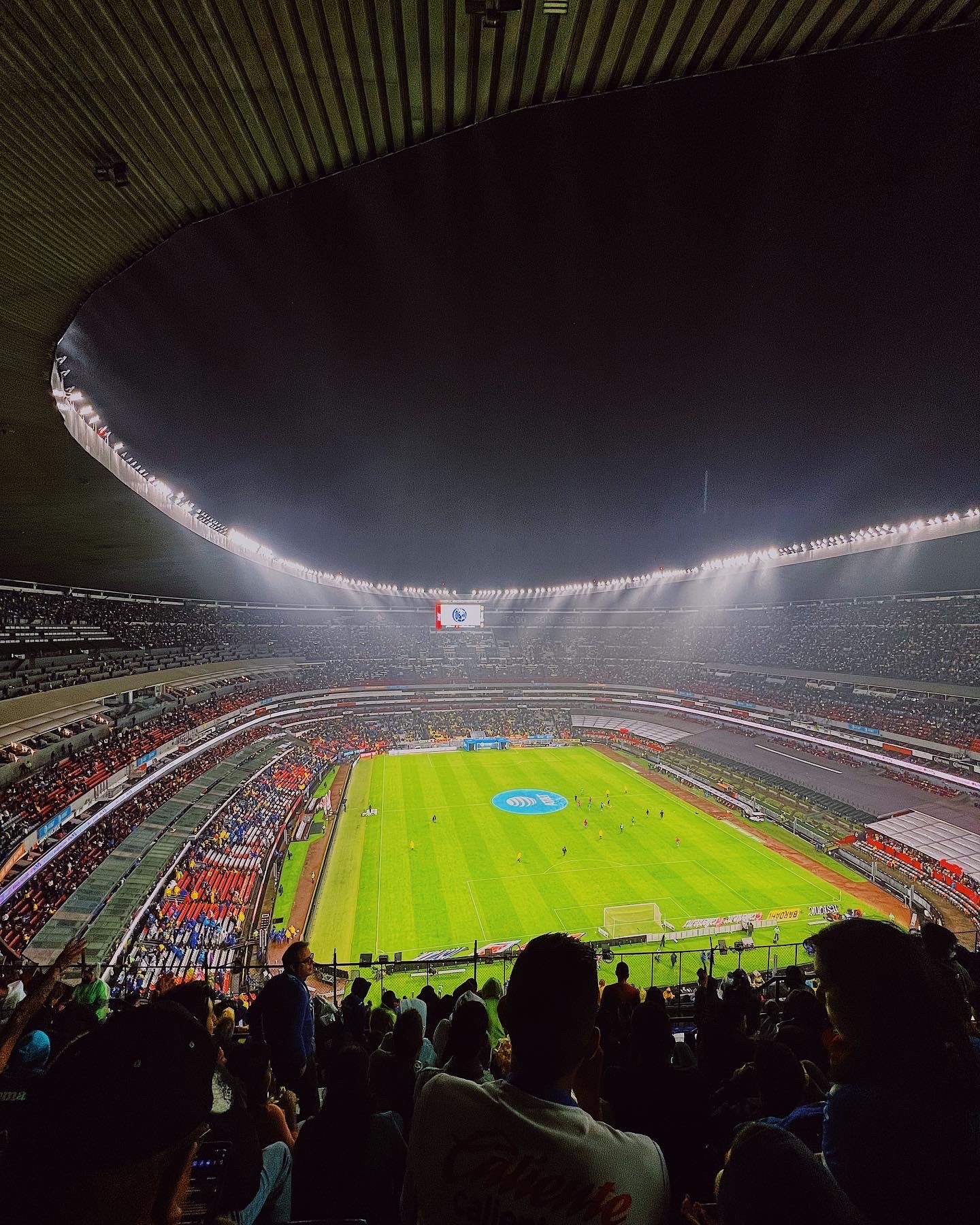
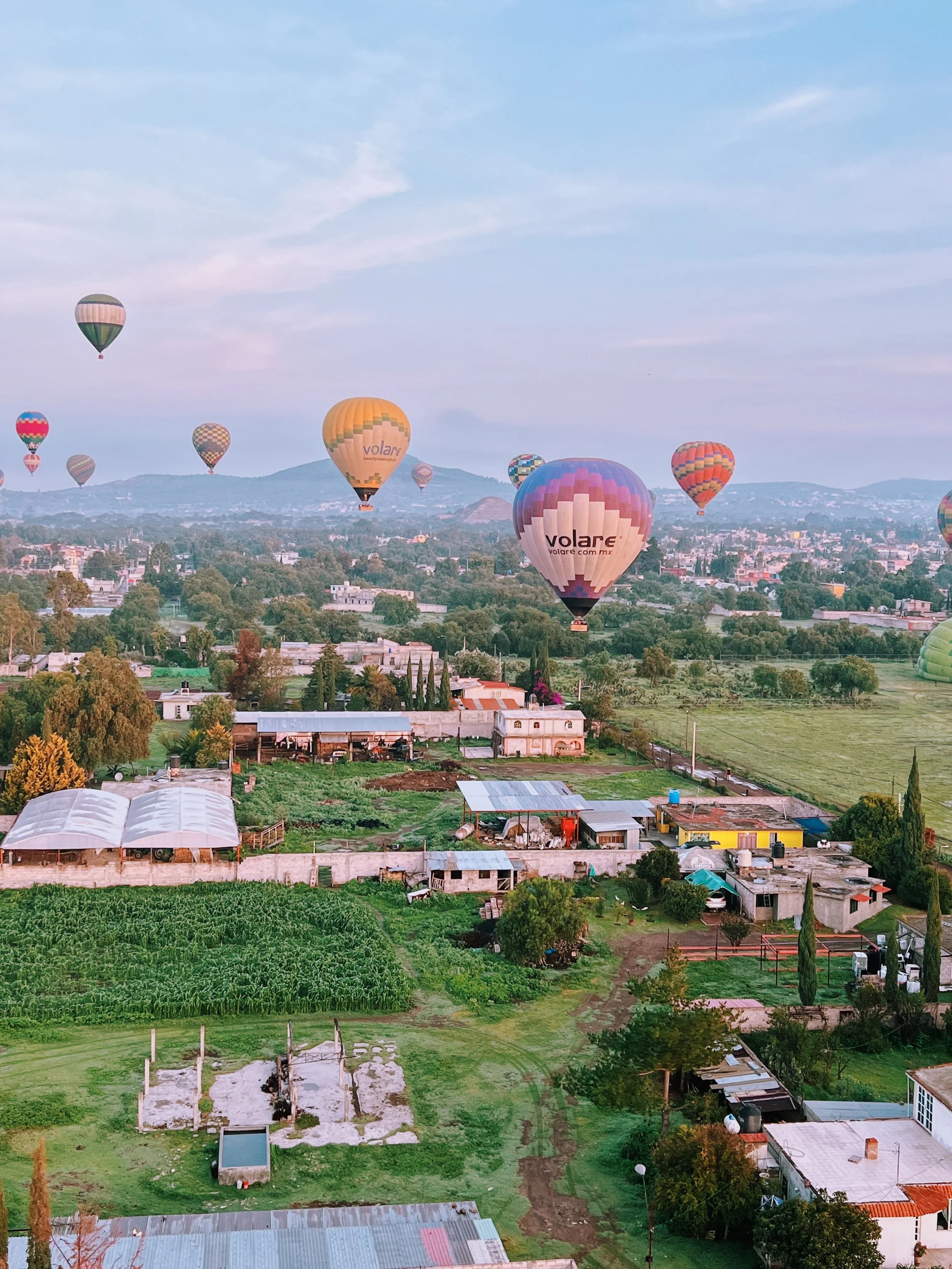
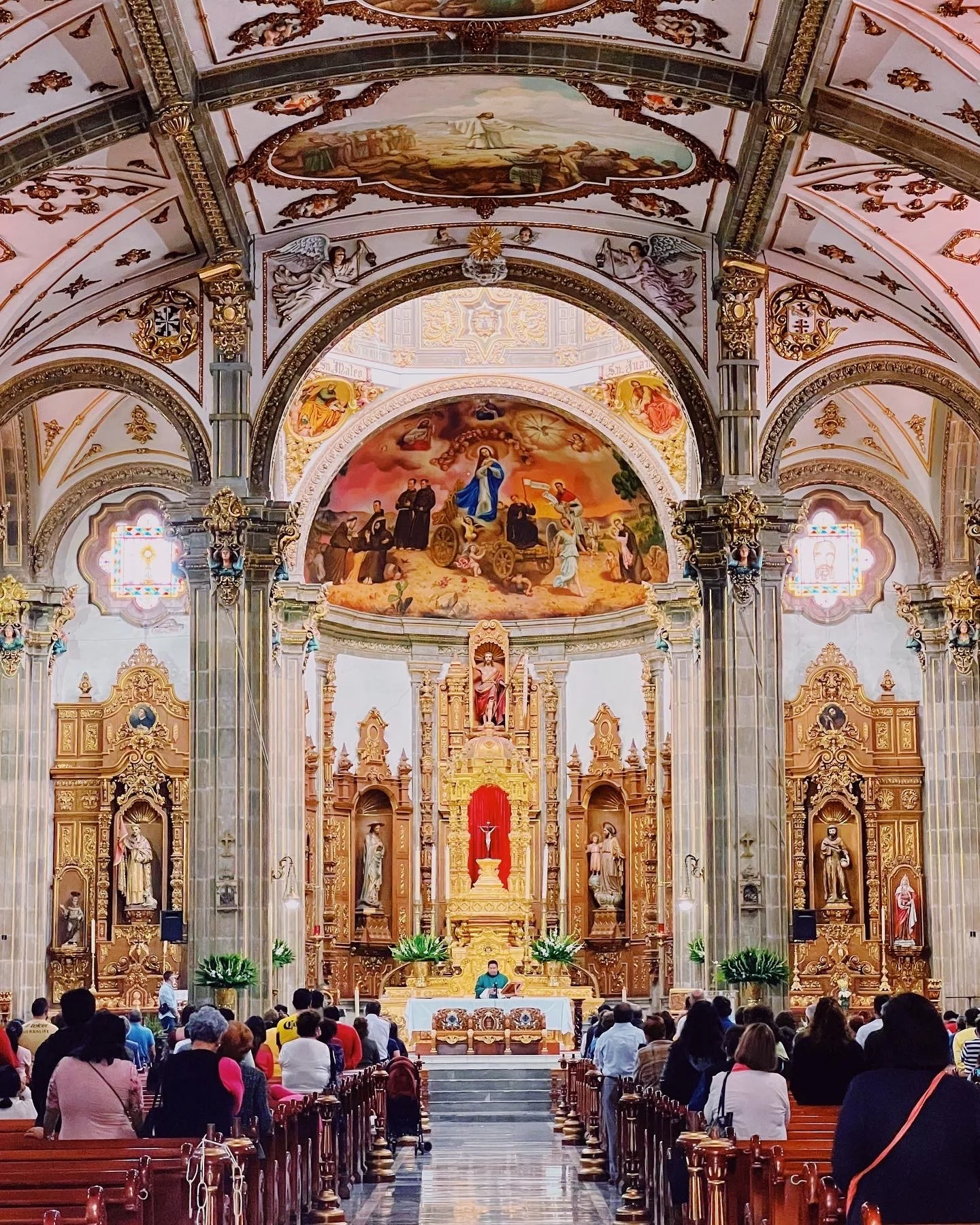
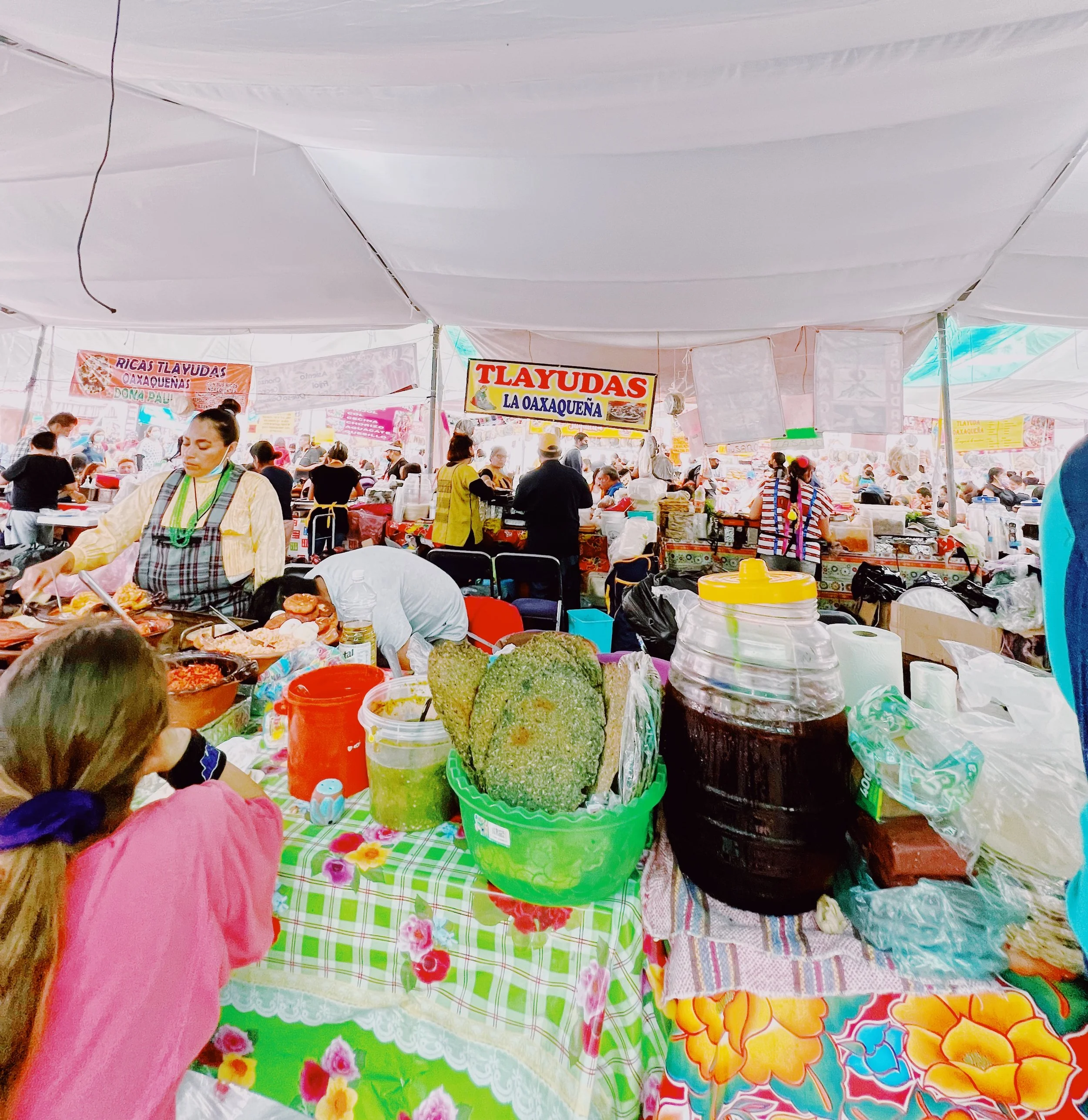
Cities Reveal What Societies Worship
Every city unconsciously exposes the values of the civilization surrounding it.
New York worships momentum.
Los Angeles worships projection.
London worships restraint.
Dubai worships spectacle.
Mexico City seems to worship intensity.
Not performative intensity. Human intensity.
Sensory intensity. Emotional intensity. Spiritual intensity. Relational intensity.
The city does not separate the sacred from the social particularly well, which may explain why ordinary moments there begin carrying unusual emotional weight. A late dinner stretches into existential conversation. A crowded market feels oddly spiritual. A night out turns philosophical at 3 a.m. A temazcal ceremony exists in the same ecosystem as warehouse parties and luxury hotels without contradiction.
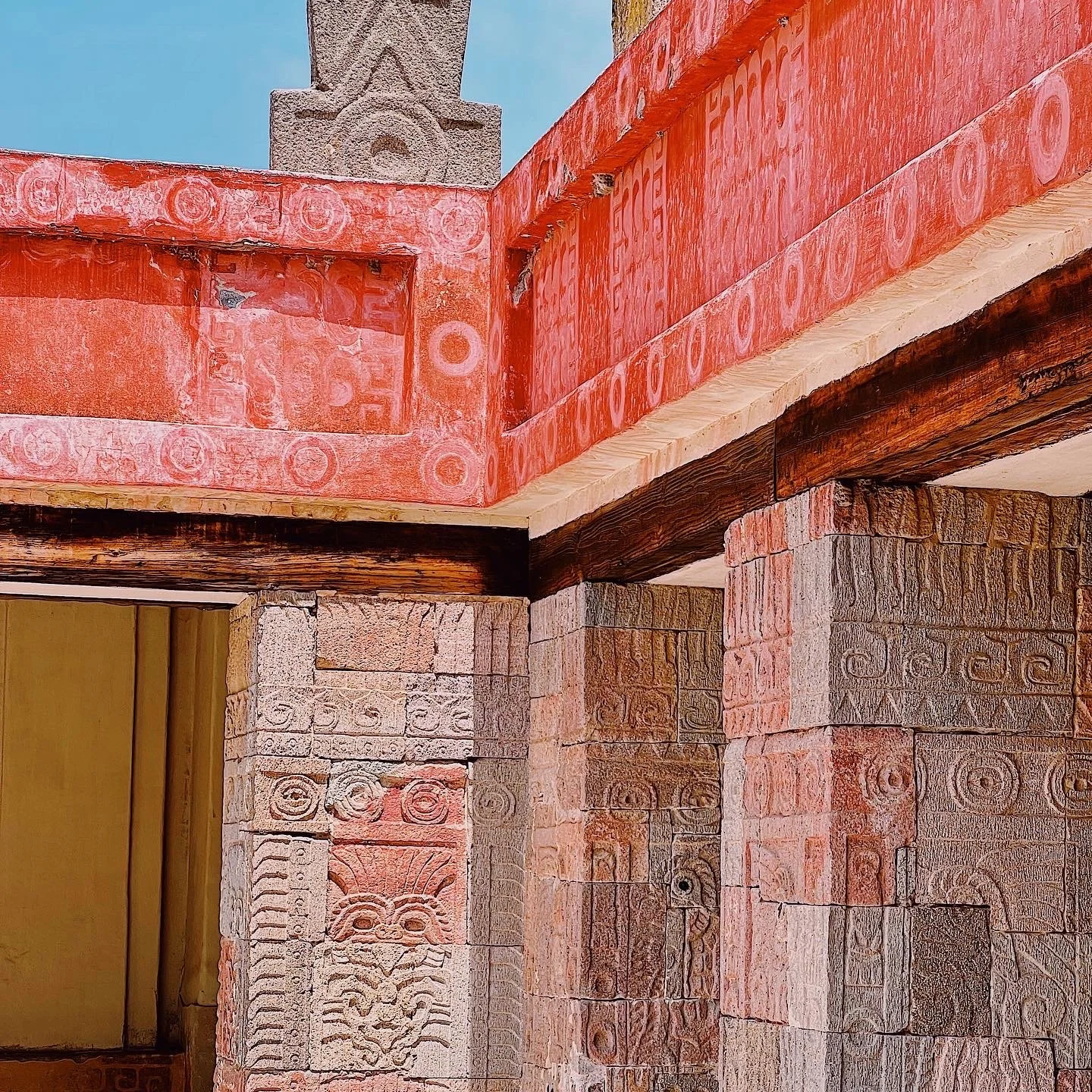
In many Western cities, spirituality has become increasingly privatized. In CDMX, traces of ritual still remain embedded in public life. Indigenous memory still sits close to the surface. The modern city never fully erased what came before it.
You feel that everywhere.
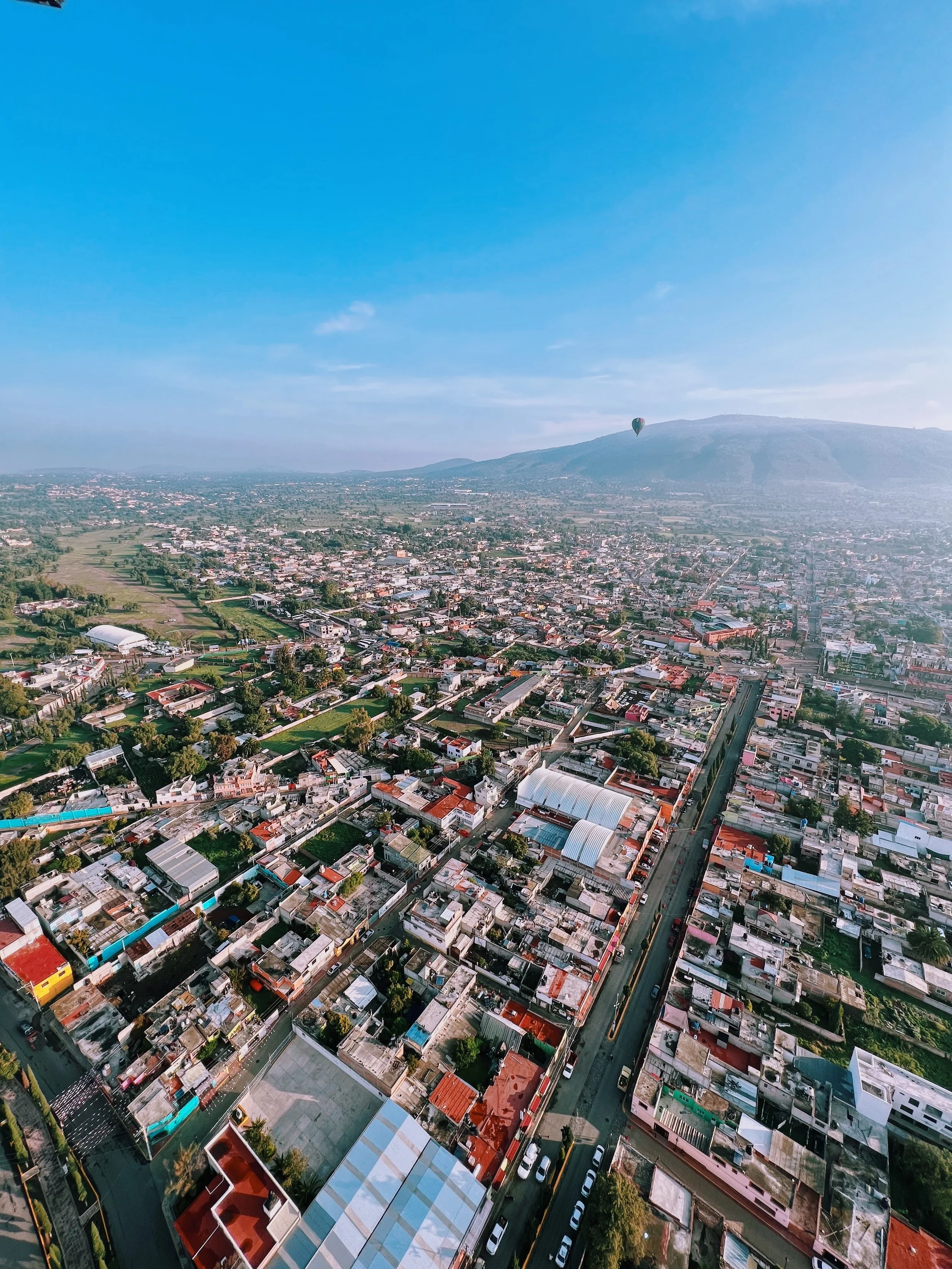
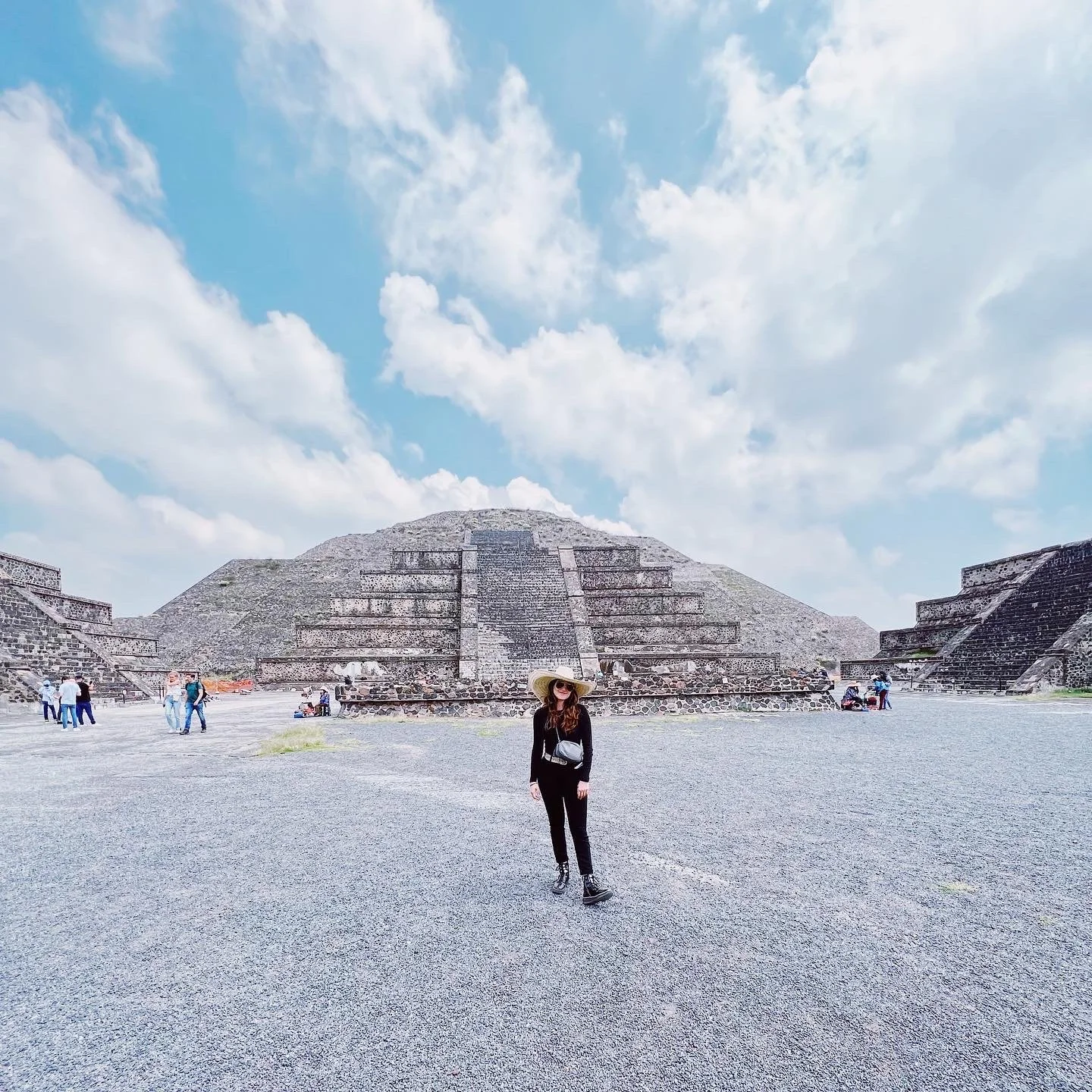
Mexico City was built on top of Tenochtitlán. Ancient ruins remain underneath the contemporary city grid almost like a subconscious. The result is a place that feels layered rather than linear. History does not feel archived there. It feels ambient.
And maybe that layering changes how people emotionally move through the city itself.
There is less pressure toward polished coherence. Contradiction is allowed to remain visible. Luxury exists beside decay. Ancient symbolism beside contemporary fashion. Chaos beside tenderness. The city feels less concerned with curating a singular identity than many modern capitals.
Ironically, that may be why it feels more emotionally truthful.
The Return of Color
What I remember most about Mexico City is color.
Not aesthetically. Psychologically.
So many global cities now feel visually optimized for digital consumption. Neutral palettes. Minimal interiors. Identical cafes. Spaces designed to photograph well before they are designed to feel memorable.
CDMX resists visual neutrality.
Color there feels emotional rather than decorative.
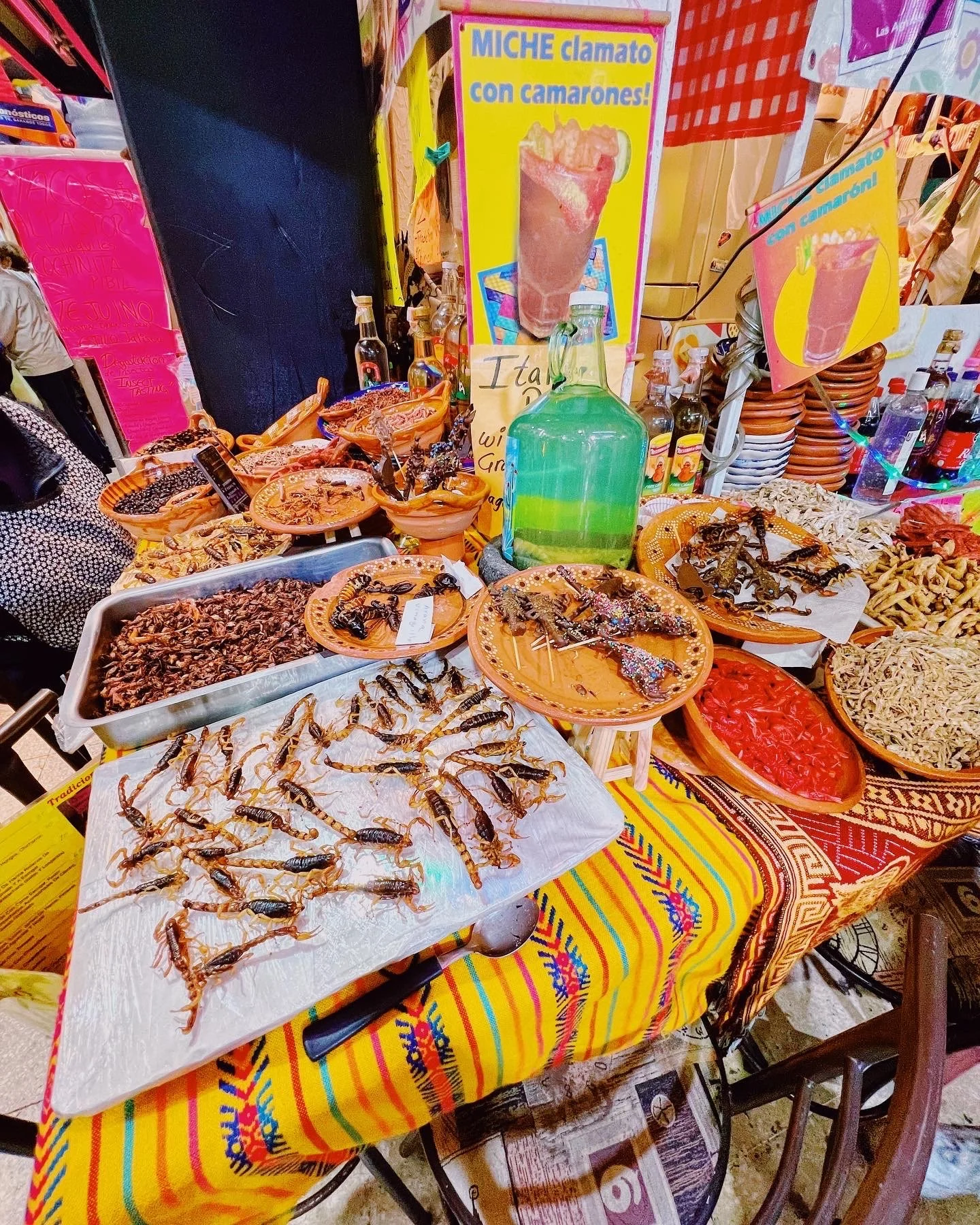
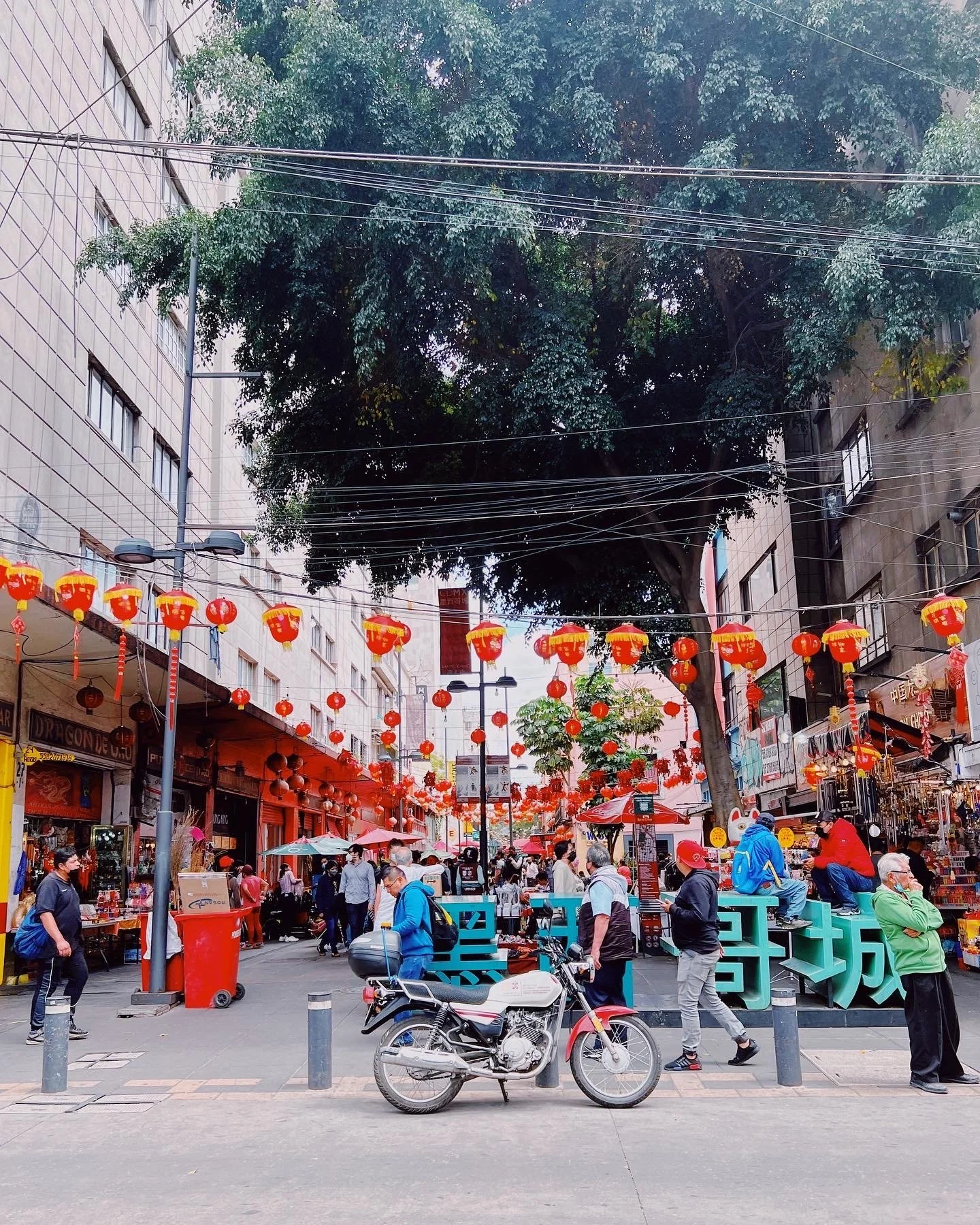
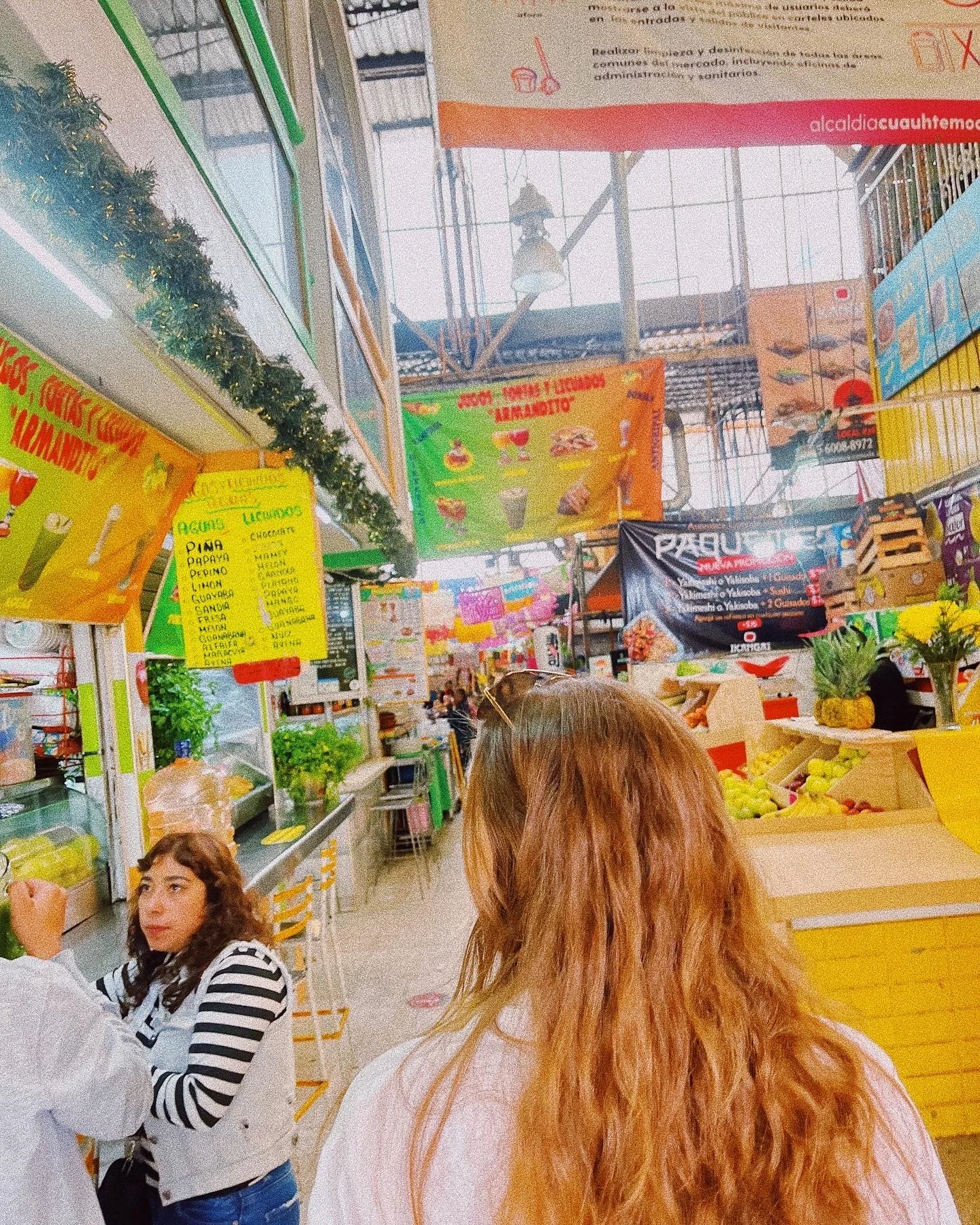
Pink buildings fading under sunlight. Deep blue tiled facades. Red neon glowing through Condesa. Green salsa poured onto tacos under fluorescent streetlights. Murals layered over concrete. Jacaranda trees interrupting entire blocks in purple.
Even the food feels chromatic.
Mole, pastries, tamales, churros, tlacoyos. Nothing feels engineered to appear restrained. Flavor accumulates instead of edits itself down.
That same philosophy seems to shape the city emotionally too.
People there feel less flattened by self-consciousness.
There is a kind of emotional permission embedded into the culture. To linger. To improvise. To feel things fully. To dance badly. To stay out too late. To talk to strangers. To cry during ceremonies. To disappear into music. To make an ordinary Tuesday feel socially alive.
I went there during a period of my life when I had quietly become disconnected from myself.
And somehow the city became attached to remembering.
Not only because of the person I was with, although that became part of the emotional architecture too. We wandered endlessly through neighborhoods, accidentally matching colors without planning to, listening to songs in taxis that felt almost too perfectly timed to be random. We played card games in hotel lobbies. Went to clubs with friends. Did temazcal ceremonies. Ate constantly. Laughed constantly.
There are certain relationships that permanently fuse themselves to geography.
Even now, Mexico City feels inseparable from the feeling of emotional reentry. The feeling of remembering that life could still surprise me. That intimacy could still feel light instead of painful. That adventure was still available. That softness was still possible after spending enough time surviving.
When I think about CDMX now, I do not think about a travel itinerary.
I think about what happens when a city still allows people to feel alive inside it.
