Athens and the Return of Meaning
Ancient Philosophy, Underground Techno, and Why Greece Feels Suspended in Time
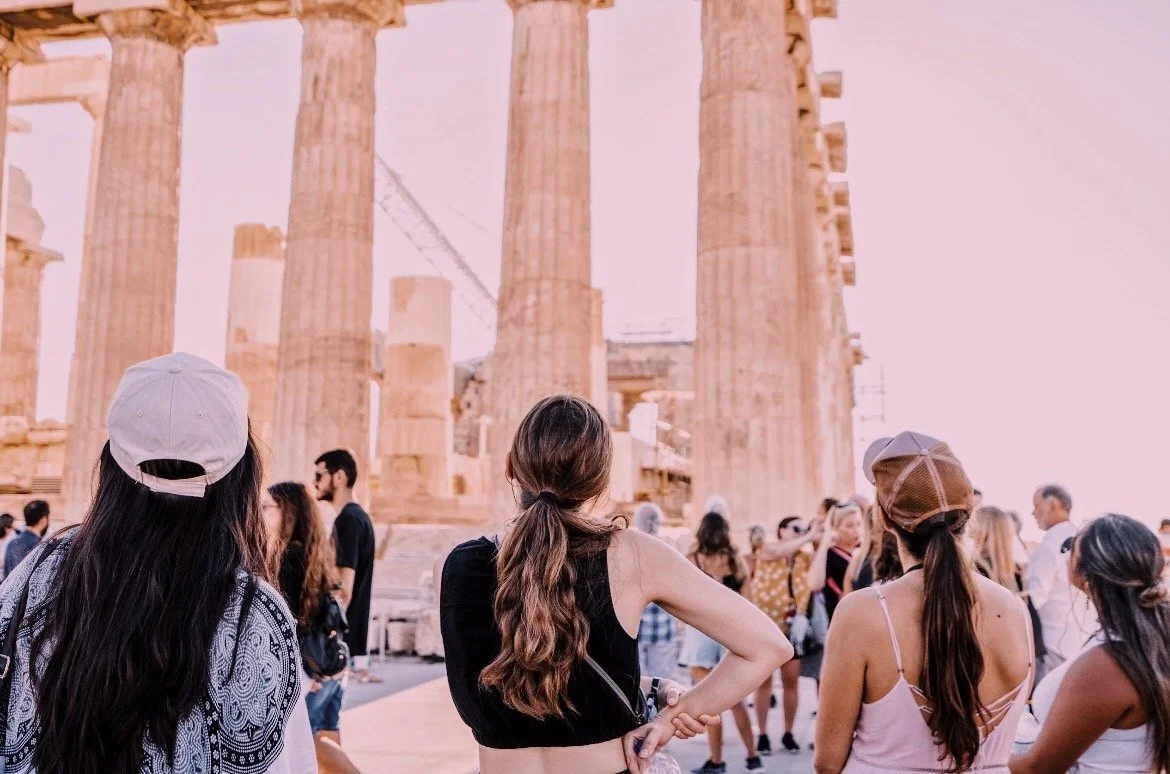
Photo by: Wandering in the know
Most cities attempt to convince you they are modern.
Athens does something stranger.
It allows contradiction to remain visible.
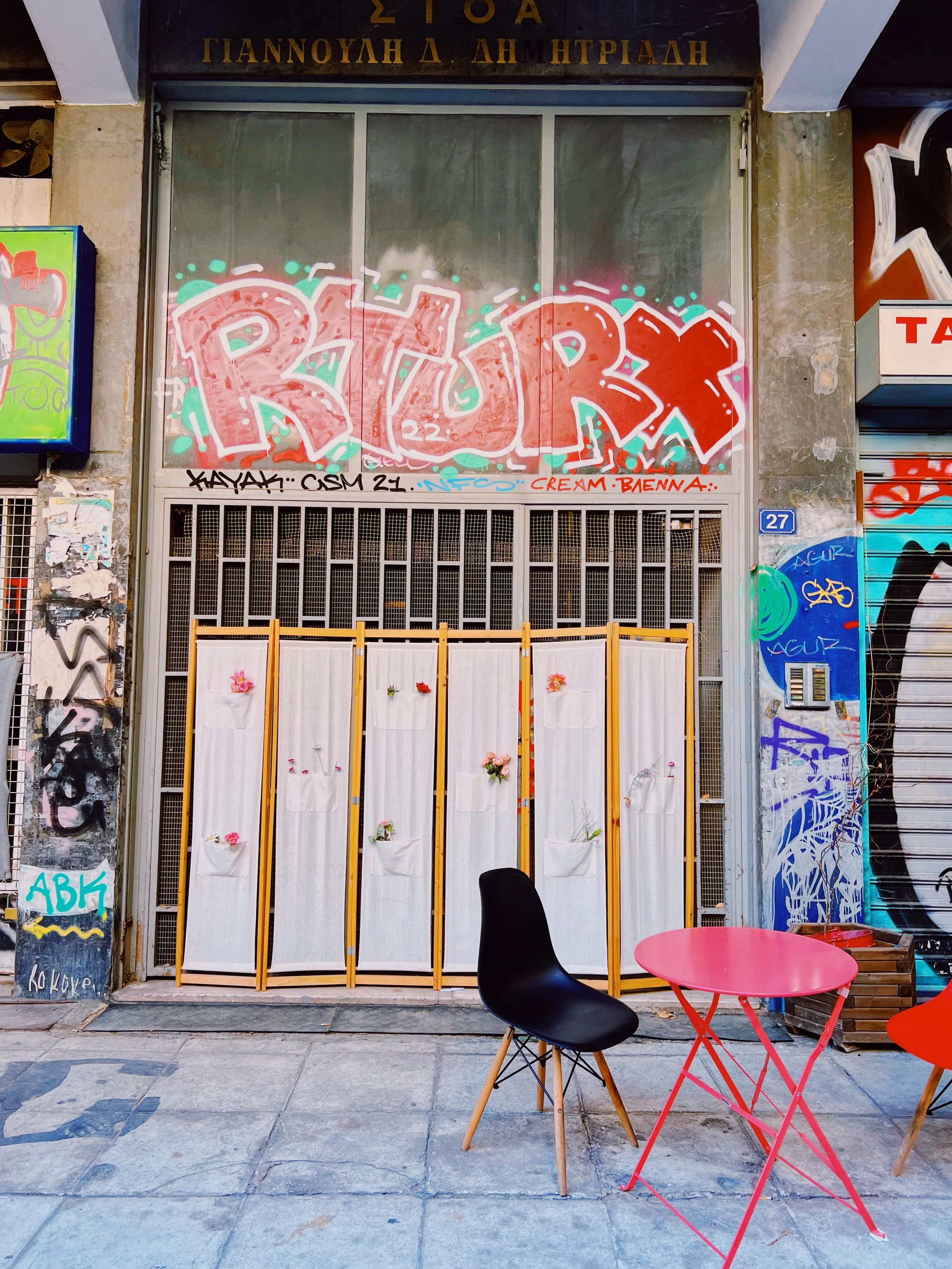
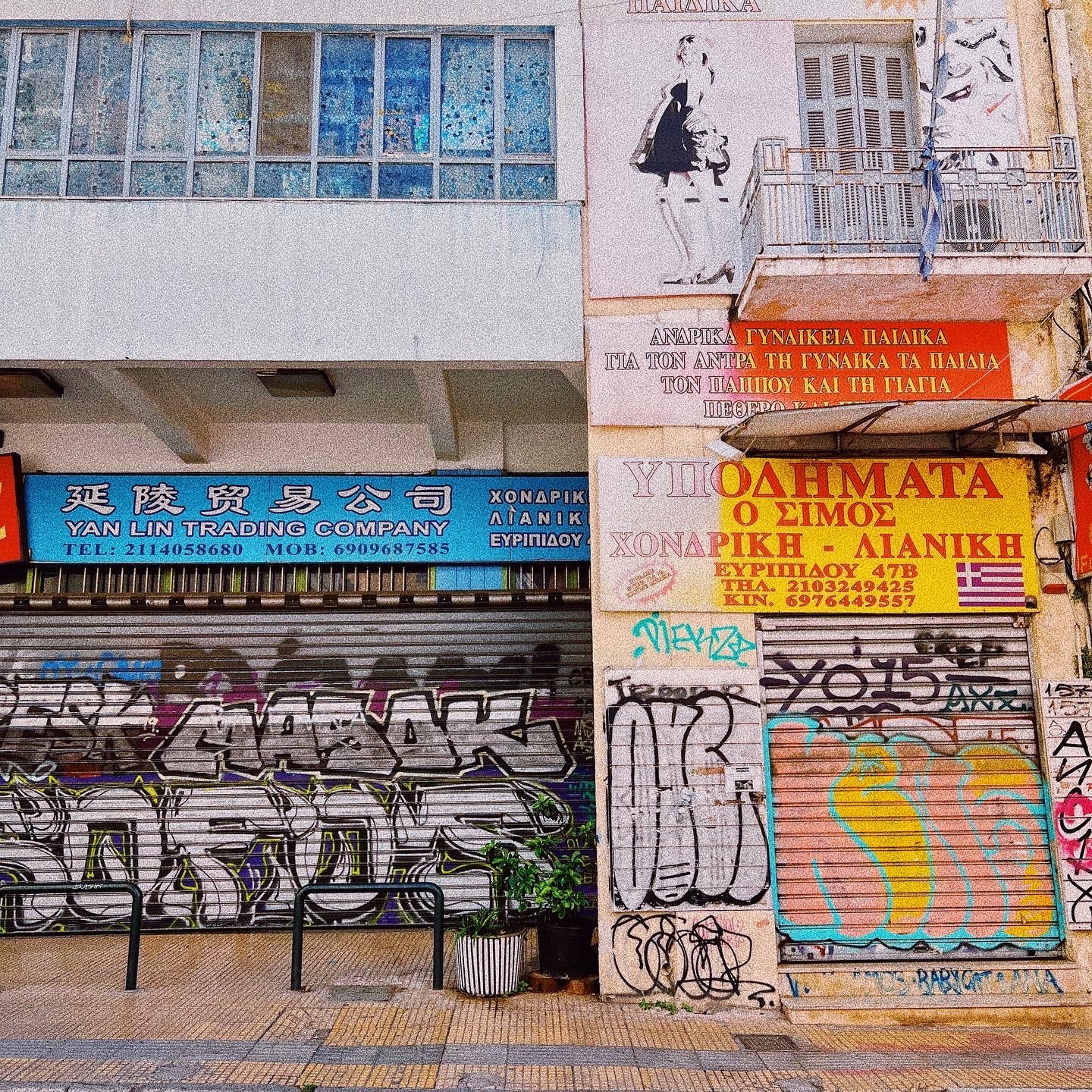
Ancient ruins sit beside graffiti-covered apartment blocks. Philosophical history coexists with underground techno clubs hidden beneath residential streets. Elderly men spend hours debating politics outside cafes while digital nomads answer Slack messages nearby. Conversations stretch longer than efficiency would normally permit. Time itself feels less optimized.
The city feels simultaneously unfinished and eternal.
At first, Athens can feel chaotic compared to the polished infrastructure of other European capitals. The buildings appear weathered. Public systems feel inconsistent. Layers of history exist almost awkwardly on top of one another. But over time, the disorder starts revealing something deeper.
Athens still feels intellectually alive.
That feeling has become increasingly rare.
Much of modern urban life now operates through optimization. Cities become consumed algorithmically through “Top 10” lists, TikTok itineraries, productivity culture, reservation apps, and predictable aesthetic loops repeated across social media. Increasingly, travelers do not discover cities. They consume pre-curated versions of them.
Athens resists frictionless consumption.
The city forces interaction with time itself.

A Civilization That Never Fully Left
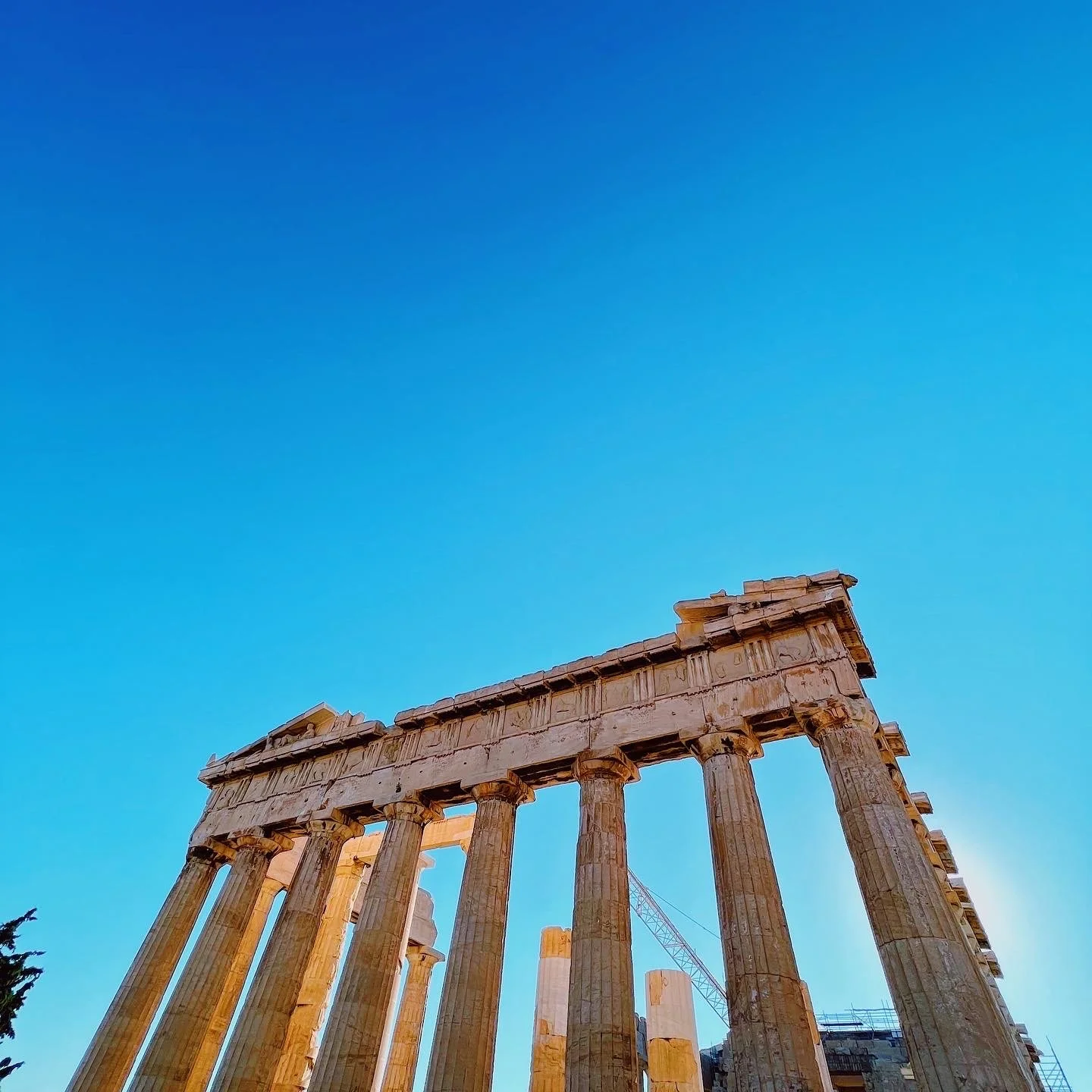
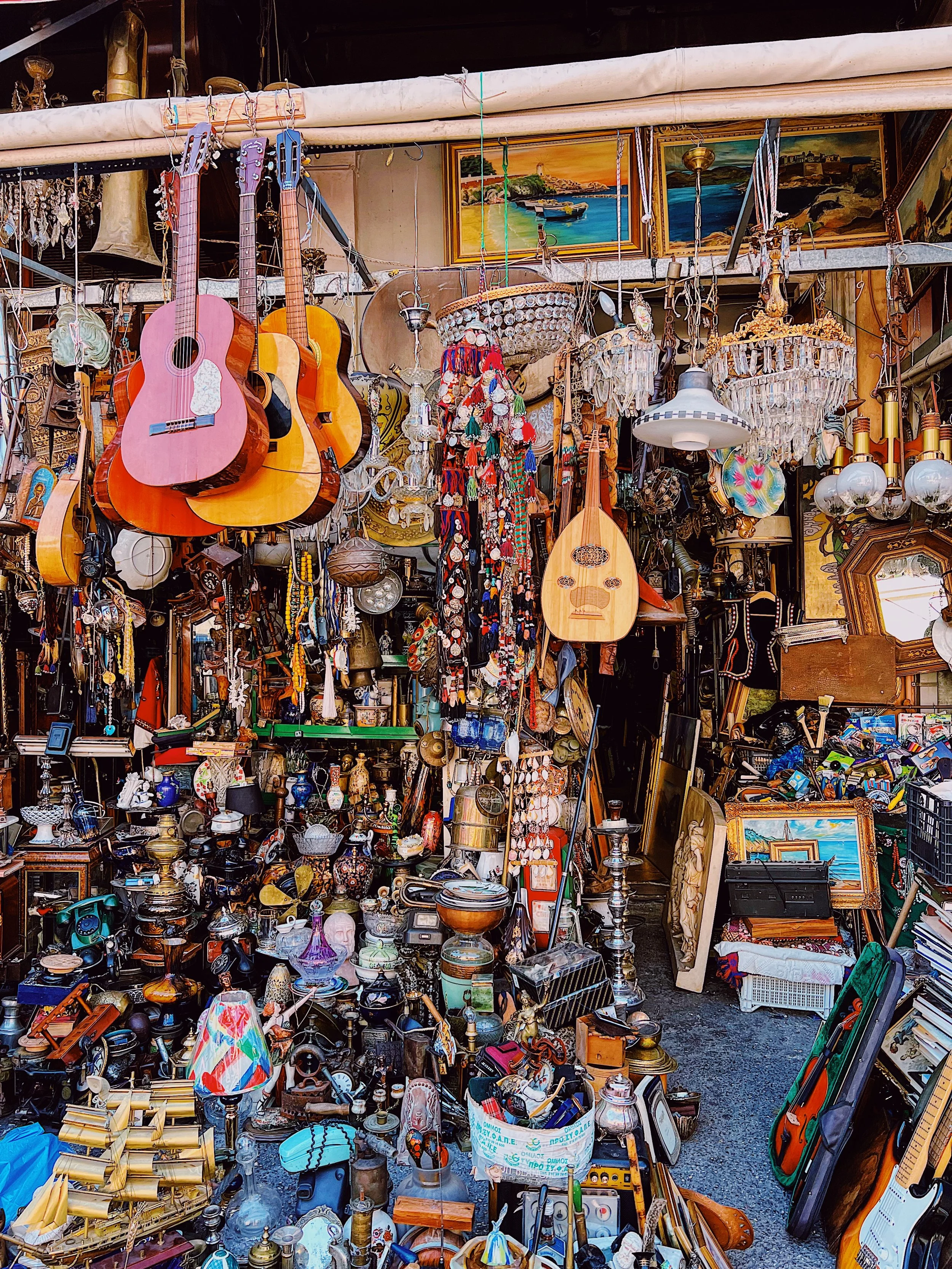
Walking through Athens means constantly encountering overlapping civilizations simultaneously operating within the same streets: ancient philosophy, Orthodox religion, economic instability, political protest, mythology, tourism, digital nomad culture, electronic music, and modern Greek identity all compressed together into one urban ecosystem.
The result feels less like preservation and more like active negotiation between past and future.
Unlike many Western cities obsessed with reinvention, Athens never fully erased its earlier selves.
And perhaps that is why the city feels emotionally different.
In much of the Western world, public life increasingly feels flattened by convenience. Friction disappears. Spaces become interchangeable. Cafes transform into remote work stations. Neighborhoods become optimized for tourism. Human interaction becomes increasingly transactional.
Athens still feels textured.
People linger.
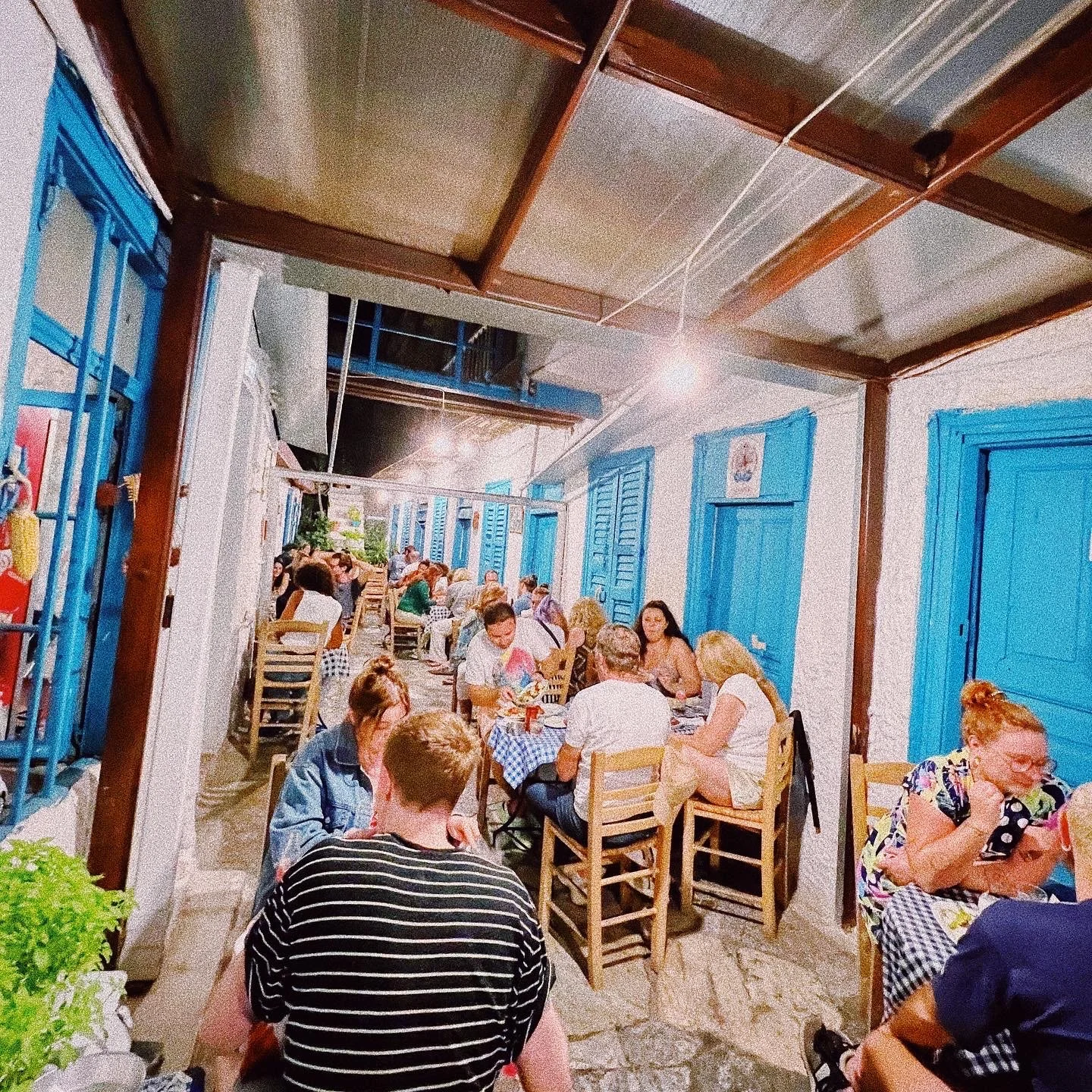
Meals stretch across entire evenings. Sidewalk conversations evolve into debates. Public life spills outward instead of remaining contained indoors. Even inefficiency begins functioning differently. What initially appears disorganized slowly reveals itself as resistance against hyper-optimization.
In many ways, Greece feels suspended between timelines.
The country carries visible remnants of economic hardship, political instability, and infrastructural stagnation. Yet those same conditions may partially explain why Athens developed one of Europe’s more fascinating underground creative scenes. Historically, periods of uncertainty often produce strong artistic ecosystems. Constraint generates experimentation. Reinvention becomes survival.
Beneath the Acropolis and centuries of philosophical symbolism exists a city deeply embedded in contemporary subculture: warehouse techno parties, experimental art collectives, graffiti movements, independent fashion, late-night intellectual culture, and alternative social scenes that feel distinctly anti-corporate.

Ancient Philosophy and Modern Nightlife Ask the Same Questions
The coexistence appears contradictory until you realize both ancient philosophy and underground nightlife serve remarkably similar social functions.
Both create collective participation around existential questioning.
Both emerge during periods of instability and transition.
Both attempt to answer the same underlying human concerns: identity, belonging, freedom, meaning, mortality, pleasure, purpose.
For centuries, Athens functioned as a place where people gathered publicly to debate how life should be lived. The architecture changed. The mediums changed. The music changed.
The behavior never fully disappeared.
Even tourism in Greece increasingly reflects this shift. Many travelers no longer seek simple escape or luxury. They seek perspective. Reinvention. Emotional texture. What might be called philosophy tourism: a desire to encounter places that still provoke reflection rather than passive consumption.
Athens rewards wandering over efficiency.
You feel it sitting for hours in sprawling cafes while conversations drift from politics to mythology to music. You feel it walking from ancient ruins directly into neighborhoods filled with anarchist graffiti and underground bars. You feel it in the strange emotional dissonance of standing inside one of Western civilization’s foundational cities while listening to experimental techno at 3 a.m.
The city feels less concerned with appearing polished than remaining culturally alive.
Perhaps that is why so many people leave Greece talking less about monuments and more about something harder to articulate.
Not escape.
Perspective.
Not luxury.
Participation.
Not consumption.
Meaning.